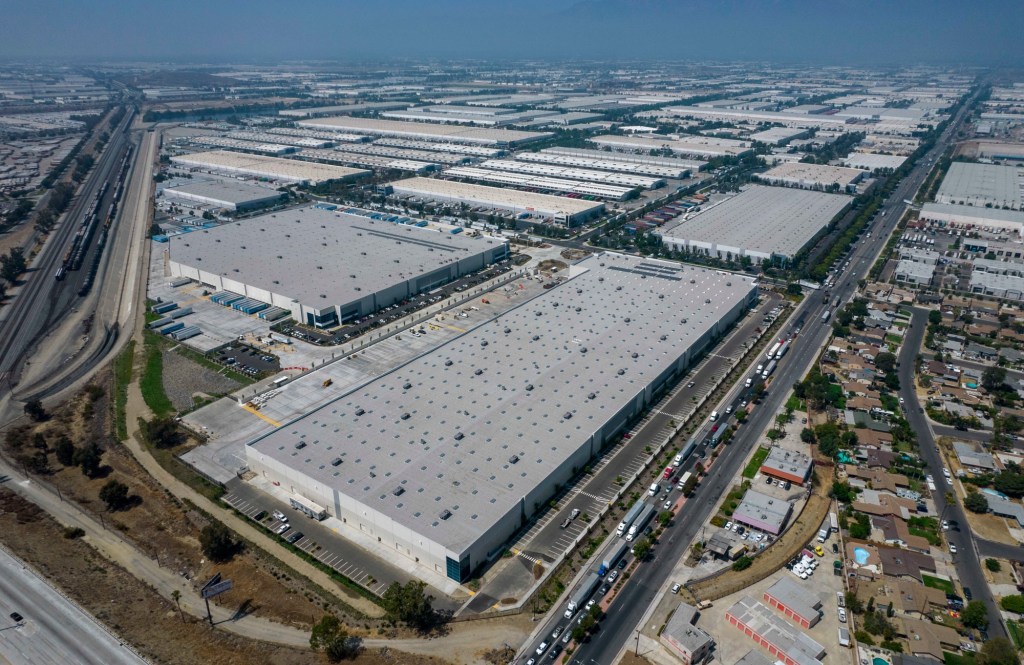
Concerns are mounting in the Inland Empire region of Southern California as reports suggest the U.S. government may convert local warehouses into immigration detention centers. Until recently, the idea seemed implausible, but discussions surrounding this potential shift have raised alarm among community leaders and residents in Riverside and San Bernardino counties.
Eddie Torres, policy director for the Inland Coalition for Immigrant Justice, expressed significant concern over the possibility. “We have a lot of empty warehouses, not just warehouses in general,” he noted, emphasizing the area’s proximity to the U.S.-Mexico border. Torres fears that U.S. Customs and Immigration Enforcement (ICE) may target these facilities for their intended purpose, given the region’s substantial immigrant population, estimated at around 1 million.
Residents of Moreno Valley, where approximately one in four of the 216,000 inhabitants are foreign-born, are also voicing their worries. Mayor Ulises Cabrera highlighted the community’s anxiety over the potential changes. While ICE has not confirmed any plans, speculation persists following a report from The Washington Post detailing a broader initiative to acquire warehouses across the nation.
On February 13, 2023, the newspaper reported that ICE aims to invest $38.3 billion in warehouses located in 22 states, with a goal of converting them into short-term detention centers. The initiative intends to create large-scale holding facilities for up to 10,000 detainees at a time, allowing the agency to centralize and expedite the deportation process. Previous reports indicated plans to hold over 80,000 immigration detainees across various sites, although none of the proposed locations were in California.
Critics of ICE’s operations highlight ongoing issues within existing detention centers, including allegations of overcrowding, inadequate medical care, and poor living conditions. Representative Raul Ruiz, a Democrat representing Palm Desert, described a recent visit to the ICE detention center in Adelanto, San Bernardino County, as akin to a prison.
Local activists, including Luz Gallegos, executive director of the TODEC Legal Center, argue that converting warehouses into detention centers would exacerbate existing fears within immigrant communities. “People are afraid to go to work, take their kids to school, go to church, and do essentials like grocery shopping or visit a doctor,” Gallegos stated. She emphasized that such facilities do not merely detain individuals; they create ripple effects that can destabilize local economies.
The logistical challenges of adapting warehouses for human habitation are also significant. Most existing facilities lack essential amenities such as restrooms and kitchen spaces. In regions like unincorporated Riverside County, federal developments may bypass local regulations, complicating oversight and enforcement of human rights standards.
With Democratic officials holding a supermajority in California’s legislature, significant resistance to ICE’s plans is expected. Diana Crofts-Pelayo, a spokesperson for Governor Gavin Newsom, criticized the federal government for attempting to circumvent state and local public processes. She stated, “There are some serious human and economic consequences behind these actions.”
Community leaders are actively monitoring developments, with Torres indicating his coalition is prepared to respond to any formal proposals from ICE. Mayor Cabrera firmly opposes the idea of using warehouses in Moreno Valley for immigration detention or processing, asserting, “I would stand up against it, and I’m sure the community is against it as well.”
As discussions continue, the residents of the Inland Empire remain alert to the potential implications of these developments, balancing concerns for their communities with ongoing national debates over immigration policy.