A recent shooting incident in Washington, D.C., has brought to light the complex background of the alleged shooter, Rahmanullah Lakanwal, a 29-year-old Afghan man with ties to the CIA and U.S. Special Forces. The incident left two members of the West Virginia National Guard injured, raising serious questions about the policies surrounding his asylum and the deployment of troops in American cities.
Lakanwal arrived in the U.S. as part of Operation Allies Welcome in 2021, a program initiated to evacuate Afghan military personnel and civilians who had assisted U.S. forces during the lengthy engagement in Afghanistan. His application for asylum was approved in April 2025 under the Trump administration, which reviewed his case and granted him refuge.
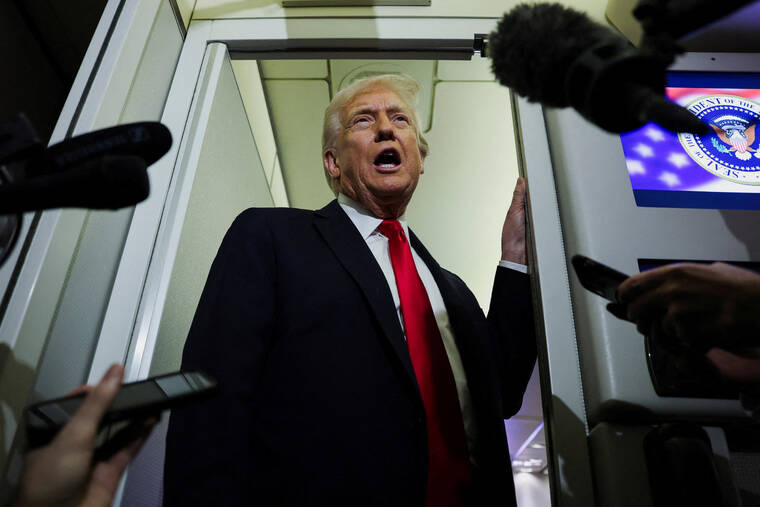
The presence of National Guard troops in Washington, D.C. has been controversial. Donald Trump deployed these forces under a national emergency declaration, stating it was necessary to maintain order in the face of potential unrest. This deployment has since been challenged in courts across the nation.
On November 20, 2023, Judge Jia Cobb of the U.S. District Court for the District of Columbia ruled that Trump’s deployment of National Guard troops was illegal, citing that he “exceeded the bounds of statutory authority.” The judge emphasized that the deployment was not requested by local civil authorities and caused “irreparable harm” to the sovereignty of D.C. Despite this ruling, the National Guard was allowed to remain in the capital for a further 21 days, providing time for an appeal.
The legal battles surrounding the deployment of National Guard troops have been ongoing. On October 5, 2023, a similar ruling from a federal court in Oregon barred the state’s National Guard from being sent to Portland. This decision followed an earlier ruling that limited the federalization of Oregon’s National Guard. In California, a temporary restraining order was also issued against the deployment of federalized troops to Los Angeles.
While these court decisions raise significant legal questions, they reflect broader concerns about the use of federal troops in domestic situations. The American public is now awaiting a decisive ruling from the U.S. Supreme Court regarding the legality of such deployments.
The backdrop to these events is the chaotic withdrawal of U.S. forces from Afghanistan, initiated during Trump’s presidency. The former president negotiated an agreement with the Taliban, committing to withdraw all U.S. troops by May 1, 2021. However, this withdrawal was executed without a formal peace agreement between the Taliban and the Afghan government, which ultimately led to the rapid collapse of that government following the U.S. exit.
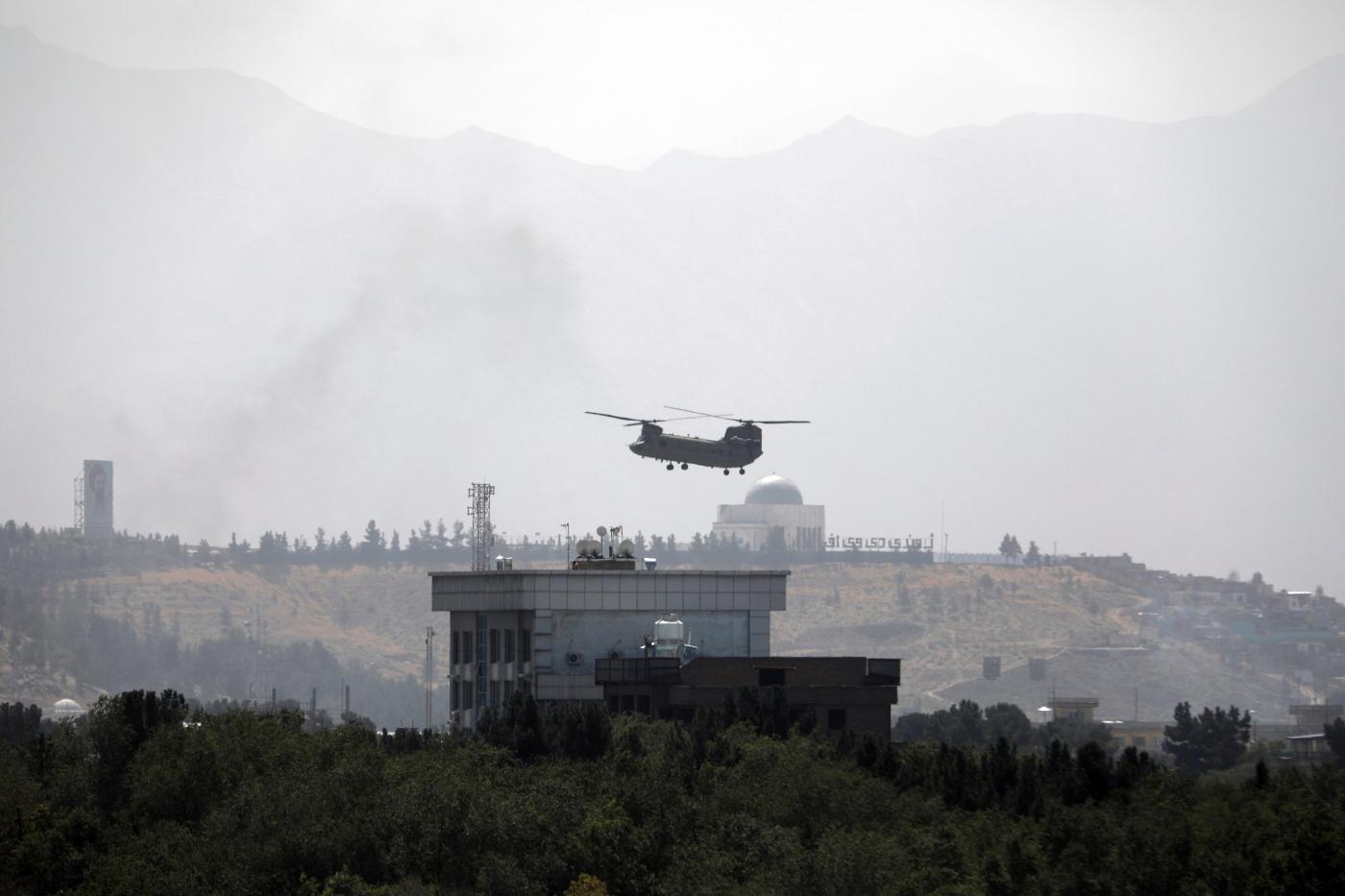
Following the transfer of power in January 2021, President Joe Biden altered the withdrawal timeline to August 20, 2021, allowing for a more organized exit. Ultimately, the U.S. managed to evacuate approximately 124,000 individuals, including Afghan allies like Lakanwal, amid escalating violence from the Taliban.
The intertwining narratives of Lakanwal’s asylum approval and the deployment of National Guard troops highlight the complexities of U.S. foreign policy and its domestic implications. Critics argue that Trump’s decisions regarding troop deployment and his handling of the Afghanistan withdrawal paved the way for the current situation, including the tragic shooting incident in D.C.
Trump continues to blame the Biden administration for the acceptance of former Afghan troops into the U.S. and the ensuing chaos. The facts surrounding Lakanwal’s asylum and the deployment of troops reveal a tangled web of responsibility that reflects the broader consequences of U.S. military and foreign policy decisions.
As the investigation continues, the implications of these actions resonate through both the military community and the American public, prompting critical discussions about national security and the treatment of allies who have served alongside U.S. forces.