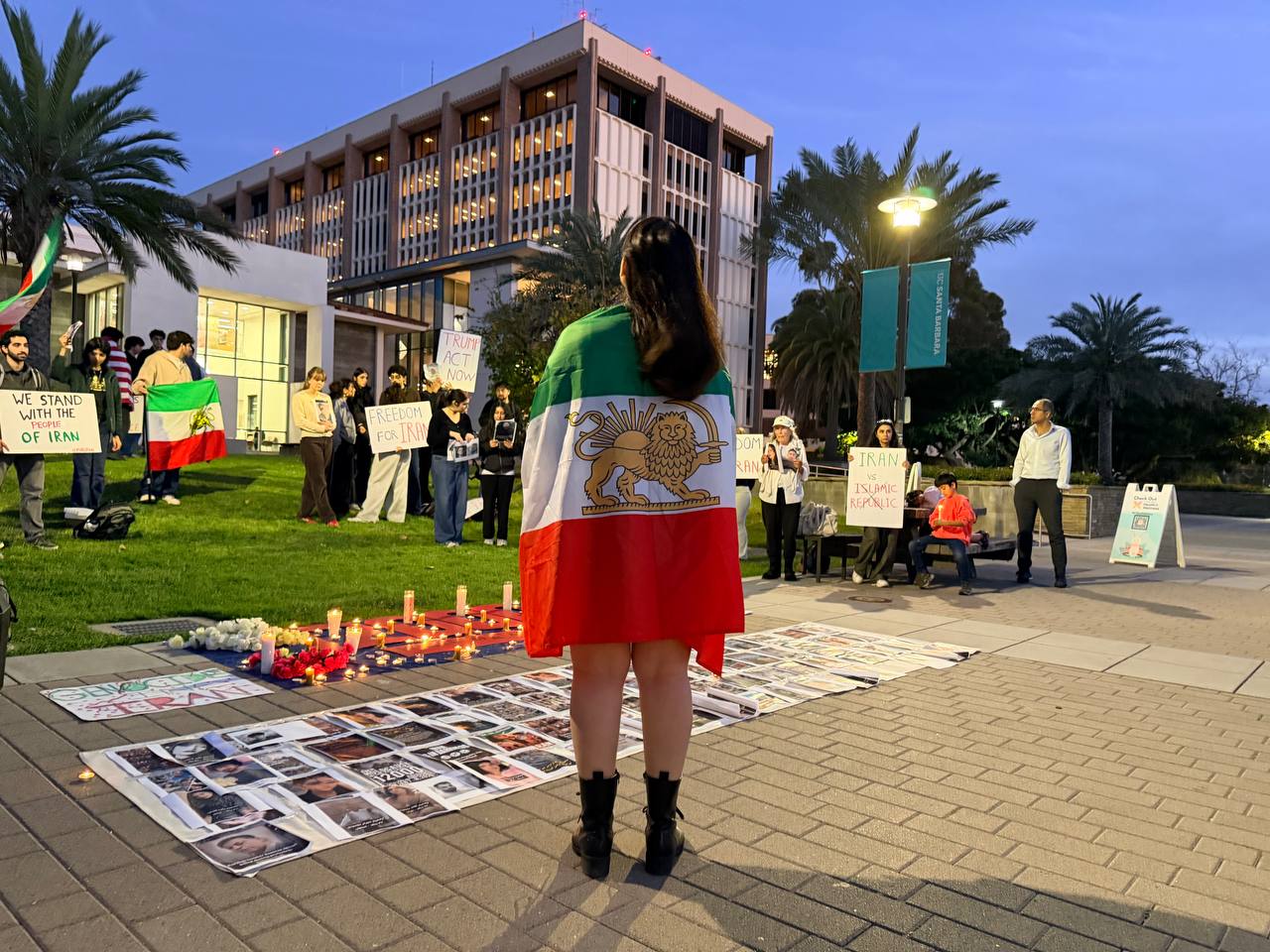
The Iranian community in Santa Barbara is grappling with mixed emotions following the death of the Supreme Leader of Iran, Ayatollah Khamenei, during U.S. and Israeli military operations on February 28, 2025. The strikes, part of a campaign dubbed “Operation Epic Fury,” targeted Iranian military installations and were aimed at preventing the development of nuclear weapons. Moments after the announcement by President Donald Trump confirming Khamenei’s death, local residents expressed a complex blend of hope and sorrow.
Research scientist Ehsan Sayyad was among those anxiously awaiting confirmation of the news. Upon hearing the announcement shortly before 14:00 PST, he donned the lion and sun flag, representing pre-revolutionary Iran, and celebrated at a local bar. “I felt like crying,” Sayyad remarked, reflecting on the significance of this moment for many in the Iranian diaspora. For individuals who have lived under the regime, Khamenei’s death represents a potential turning point in the ongoing struggle against repression.
The military operations commenced at approximately 10:30 a.m. local time, resulting in significant collateral damage, including the tragic deaths of at least 175 individuals, many of whom were children, following strikes on a school near a targeted naval base in Southern Iran. As the military campaign continued throughout the week, Iran responded with retaliatory strikes targeting U.S. bases in the region, escalating tensions and disrupting travel and trade.
Within the United States, both the Senate and House of Representatives declined to restrict Trump’s military actions, signaling congressional support for the ongoing operations. The conflict has also resulted in the deaths of at least six U.S. service members. Trump has since stated that he seeks unconditional surrender from Iran and has indicated a desire to influence Iran’s future leadership.
Sayyad, who left Tehran in 2015, has been living in Santa Barbara while pursuing academic and personal goals. His ties to family and friends in Iran remain strong, and he expressed a mix of joy and fear about the future. “When I talk to my friends back home, they say that we are very happy to see these thugs getting obliterated. But again, everybody is scared of what is yet to come,” he stated.
According to data from the American Community Survey conducted by the U.S. Census Bureau, there are approximately 1,600 residents in Santa Barbara County with Iranian ancestry. Since the recent military intervention, the Iranian diaspora has engaged in a bittersweet celebration, cautiously optimistic about the future of Iran while remaining acutely aware of the risks involved.
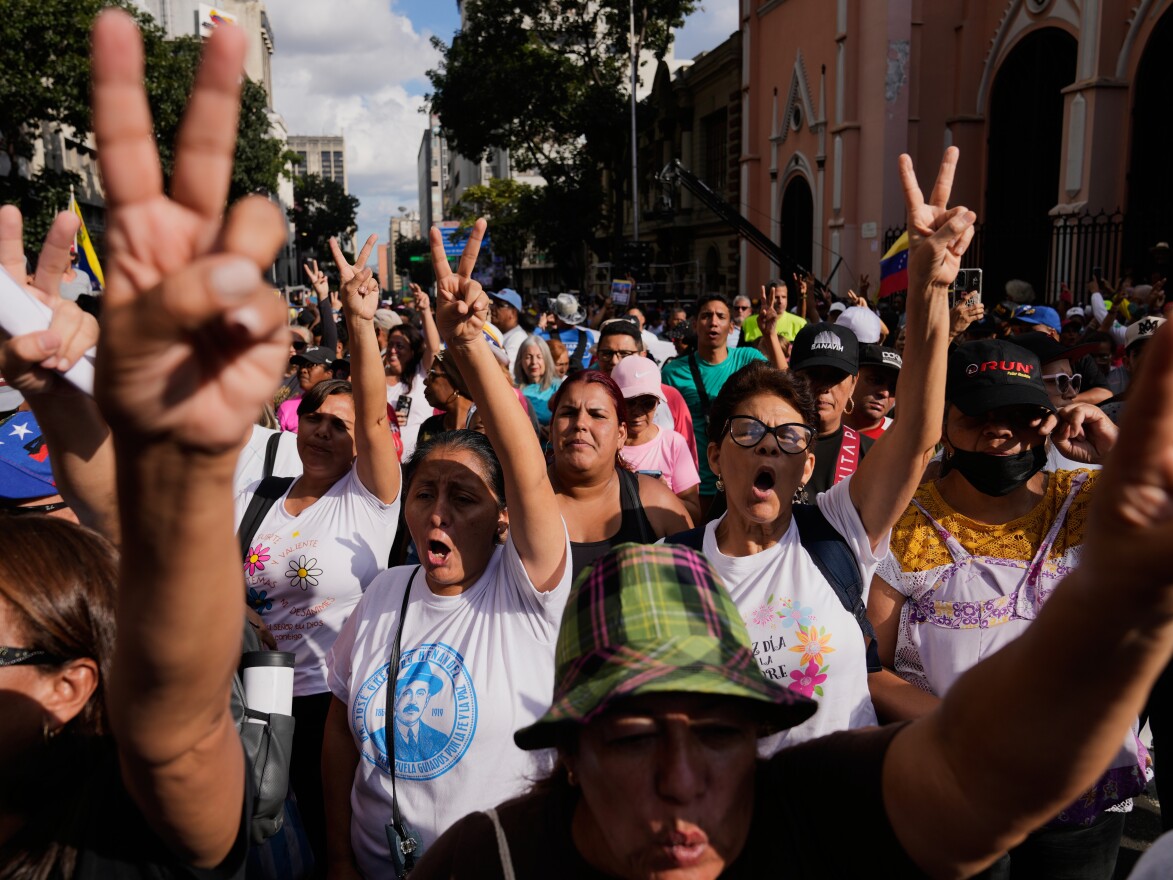
The protests that erupted in January, leading to the deaths of an estimated 30,000 individuals in just 48 hours, have profoundly impacted those who fled the regime. The demonstrations were ignited by economic grievances and were notably called for by Reza Pahlavi, the exiled son of the former Shah of Iran, who many view as a unifying figure for the opposition.
Farah, a PhD student at UCSB who chose to go by her nickname for safety reasons, highlighted the unprecedented nature of the recent protests. “This time felt really different because our parents were out,” she explained, recalling her father’s participation in protests that were stifled by government-imposed communication blackouts.
The sentiment among many in the Iranian community is one of urgency. Sahand Ahmadi, treasurer of the Persian Student Group at UCSB, expressed frustration over the international community’s silence regarding the situation in Iran. “We were protesting because the international community was for some reason very silent about what was happening,” he stated, advocating for the invocation of the Right to Protect principle, which emphasizes the responsibility of states to protect populations from atrocities.
UCSB professor Aazam Feiz added that there is hope for a future where Iranians can determine their own fate. “There is hope that sustained international engagement may create conditions in which Iranians can determine their own future and eventually live normal lives marked by dignity, stability, and freedom,” she said.
As the community continues to process these significant events, many remain committed to being voices for those still in Iran. Ryan Solgi, a postdoctoral researcher at UCSB, likened the situation to a painful yet necessary surgery for a loved one suffering from a severe illness. “For many of us, the situation feels like a loved one diagnosed with a deadly cancer who waited years for the necessary surgery until President Trump finally acted,” he remarked.
The challenges of communication with family members in Iran remain acute, given the ongoing internet blackouts and the risks associated with protesting. Many in the diaspora feel a profound sense of responsibility to advocate for their loved ones back home. Sayyad recalled a conversation with a friend who had been deeply involved in the January protests and urged him to convey a critical message: “Tell them that the people want this. Their forces are not little. They have shut off the internet. This [U.S. military intervention] must continue.”
As the situation evolves, the Iranian community in Santa Barbara, like many others worldwide, remains on alert, intertwined in a narrative of hope, sorrow, and the relentless quest for freedom.