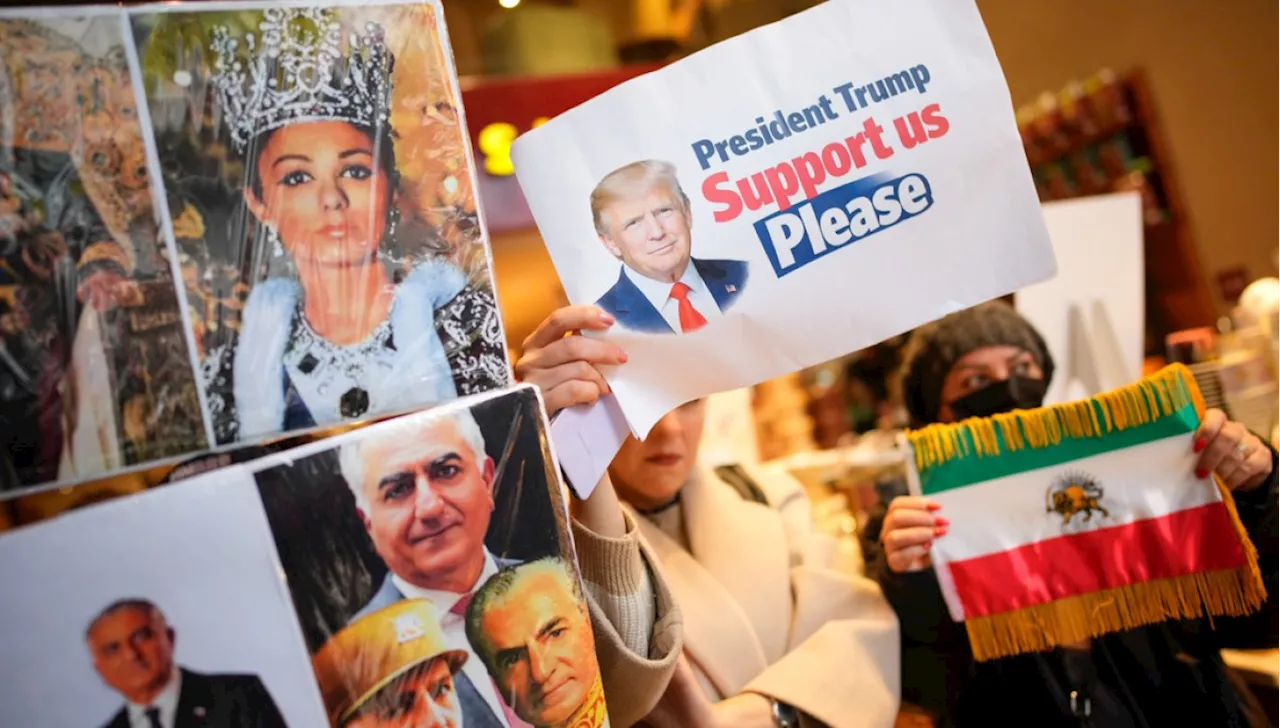
Reza Pahlavi, the exiled crown prince of Iran, has characterized former President Donald Trump as the “total opposite” of Barack Obama and Joe Biden in terms of engaging support from the United States. His comments, made during a recent interview, reflect his perspective on the differing approaches these leaders have taken towards Iran.
Pahlavi highlighted the contrasting diplomatic styles of the three U.S. presidents, particularly in relation to Iran’s political landscape. He noted that while Obama and Biden sought to engage diplomatically with Iran, Trump adopted a more confrontational approach, which Pahlavi believes aligns with the desires of many Iranians who oppose the current regime.
In his remarks, Pahlavi expressed a clear intent to return to Iran, stating he would do so “at the first possible opportunity” should the rule of Ayatollah Ali Khamenei come to an end. This declaration underscores his commitment to opposing the Islamic Republic and his vision for a new Iran.
Insights on U.S.-Iran Relations
The crown prince’s analysis comes at a time when U.S.-Iran relations continue to be strained. He emphasized that Trump’s strategy, which included withdrawing from the 2015 nuclear agreement, had significant implications for both U.S. foreign policy and the internal dynamics within Iran. Pahlavi argued that Trump’s approach fueled anti-regime sentiments among Iranians, further complicating the political situation in the region.
Pahlavi’s comments also reflect a broader sentiment among Iranian expatriates who view the current Iranian leadership as increasingly isolated. He believes that a shift in leadership could pave the way for more constructive relations between Iran and the West, particularly the United States.
While discussing the future, Pahlavi remains optimistic about the potential for change in Iran. He pointed to the ongoing protests and increasing dissatisfaction with the regime, suggesting that the momentum for reform is growing.
The exiled prince’s views resonate particularly in light of the upcoming U.S. elections in 2024. As candidates prepare to shape their foreign policies, Pahlavi’s insights may influence discussions surrounding Iran’s future and its relationship with the United States.
In conclusion, Reza Pahlavi’s remarks provide a critical perspective on the shifting dynamics of U.S.-Iran relations. His readiness to return to Iran signals a desire for change and highlights the complexities surrounding the political future of the country. As international attention remains focused on Iran, the implications of these sentiments could be significant for both Iranian citizens and global diplomatic efforts.