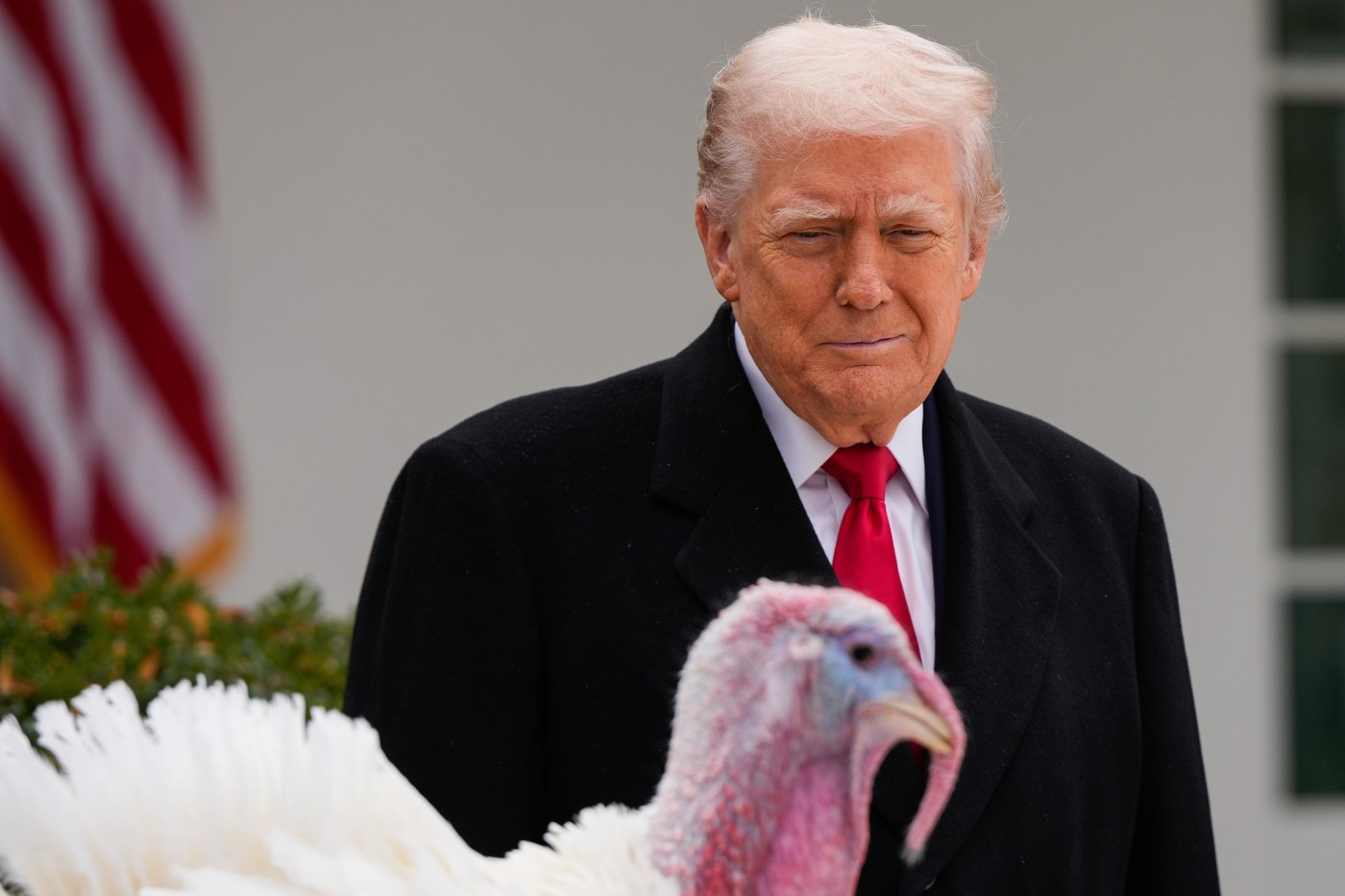
President Donald Trump continued a Thanksgiving tradition on November 22, 2023, by pardoning two turkeys, Gobble and Waddle, from a cooked fate. While this light-hearted gesture captured attention, serious concerns loom over the actions of lawmakers in Washington, D.C. Many believe that several politicians, particularly those within the Democratic Party, should not escape accountability for their roles in the recent government shutdown that jeopardized food assistance for millions.
As the shutdown unfolded, families relying on the Supplemental Nutrition Assistance Program (SNAP) faced uncertainty. With benefits at risk, Congresswoman Katherine Clark from Massachusetts acknowledged the potential suffering of families but suggested that this moment provided critical leverage for political negotiations. Her comments reflect a troubling sentiment among some lawmakers who appeared willing to use the plight of vulnerable citizens as a bargaining chip rather than a priority.
Congress was rife with speculation that the shutdown might extend beyond the Thanksgiving holiday, raising alarm for families reliant on timely food assistance. If such predictions had materialized, many constituents would have faced hunger while their elected representatives enjoyed holiday feasts.
Both major parties in Congress, the Democrats and Republicans, failed to uphold their responsibilities in preventing the shutdown. Past experiences with government closures should have equipped lawmakers with the knowledge of the detrimental effects on average Americans. Instead, partisan clashes over spending bills led to another crisis that disrupted the lives of countless citizens.
Political Accountability and Legislative Failures
The environment within Washington can often feel detached from the realities faced by constituents. Lawmakers frequently return to their home districts during campaign seasons, but the comfort of political life insulates them from the struggles experienced by ordinary people. The recent government shutdown resulted in missed paychecks and halted services, yet many politicians engaged in typical partisan finger-pointing rather than addressing the crisis.
There were exceptions among the lawmakers, such as Senate Majority Leader John Thune, who proposed measures to ensure that over 1 million military service members received pay during the shutdown. His actions stood in stark contrast to the prevailing attitude of using the situation as a negotiating tool. While some politicians demonstrated a willingness to address critical issues, others became entrenched in partisan politics.
The focus in Congress has now shifted to the extension of Affordable Care Act (ACA) tax credits, which has become a contentious issue between the two parties. Lawmakers are grappling with the impending expiration of the program next month, and debates over healthcare costs are likely to dominate discussions in the coming weeks.
As the government shutdown highlighted significant failures in governance, it serves as a critical lesson for both politicians and voters. Lawmakers should recognize this moment as a call to improve negotiation tactics and prioritize the needs of the population they represent. Meanwhile, constituents must hold their representatives accountable and consider how their choices on Election Day can influence future legislative outcomes.
The recent government shutdown underscores the importance of effective governance and the need for elected officials to remain in touch with the realities of their constituents. As the holiday season approaches, the urgency for political leaders to act responsibly and compassionately remains paramount.