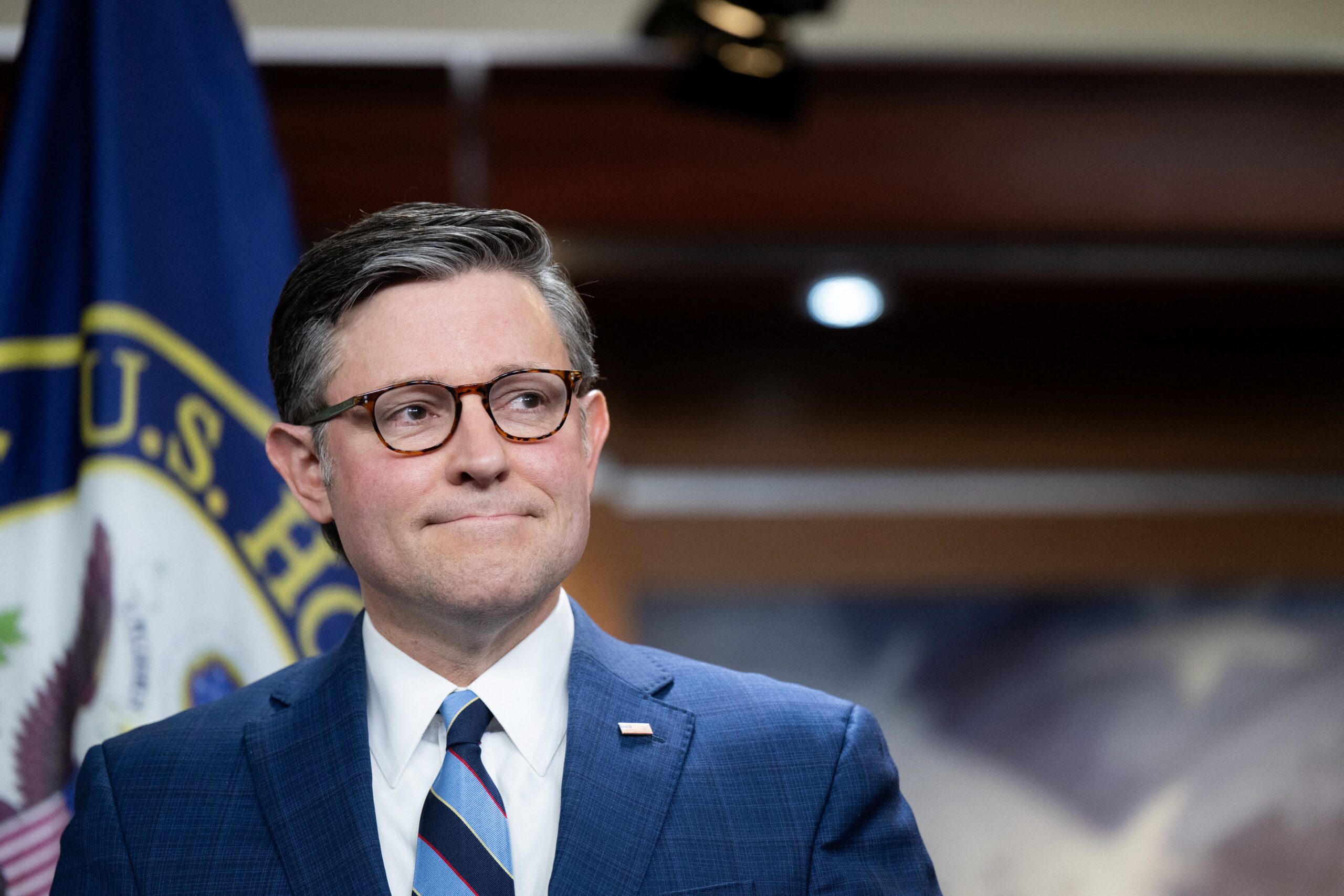
In Maryland, small business owners are voicing concerns about feeling neglected by the state government under the leadership of Governor Wes Moore. While Moore campaigned on the promise to “leave no one behind,” many entrepreneurs are questioning the administration’s commitment to their needs, citing a growing disconnect between state policies and their realities.
The phrase “leave no one behind” has been central to Moore’s platform and continues to resonate in his speeches. Just last week, at the conclusion of his State of the State address in Annapolis, he reiterated the pledge, urging lawmakers to maintain their efforts for inclusivity. Yet, in conversations with business owners across the state, some feel that their struggles have gone unnoticed.
Maryland is home to over 6 million residents, and while the sentiments expressed do not represent the entire populace, they highlight significant concerns that could affect hundreds of thousands of individuals. With the potential to alienate over a million Republican voters, particularly as the governor moves forward with a redistricting proposal, the implications of these feelings could be far-reaching.
Farming Struggles Amid Regulatory Pressures
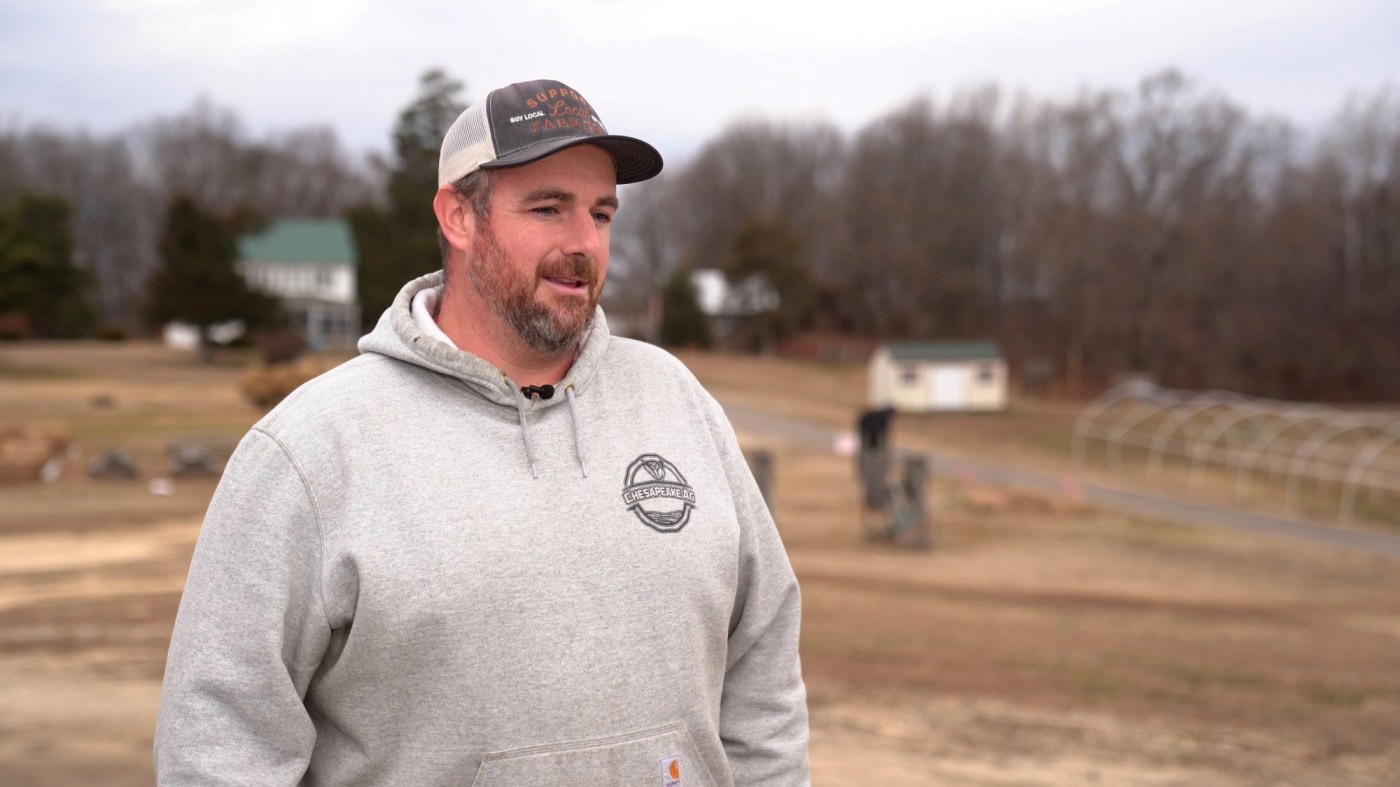
In Southern Maryland, Charles Cox, a seventh-generation farmer at Spider Hall Farms, shared his frustrations about the increasing regulatory burdens that have diverted his focus from agriculture to navigating state policies. “Overregulation. Having our hands tied with bureaucracy,” Cox stated, emphasizing the challenges he faces in maintaining his family’s agricultural legacy.
Cox’s concerns extend to the state budget, which has seen significant tax increases. In 2022, Moore signed into law the largest tax and fee increase in Maryland’s history. As farmers operate on thin margins, such financial pressures complicate long-term planning. Despite Moore’s commitment to reducing unnecessary regulation, Cox remains skeptical about whether the administration truly considers the needs of farmers.
Consumer Hesitation and Business Declines
In Prince Frederick, Catharine Hamilton, owner of Mrs. Moo’s Corner, described a noticeable shift in consumer spending habits. “I think people have definitely locked up their wallets because we don’t know what’s going to happen,” she said, noting that customer traffic and average spending have diminished.
Hamilton highlighted rising operational costs, particularly her monthly electric bill of nearly $1,800, which has further squeezed her business’s profitability. Although the governor’s administration has championed investments in clean energy, Hamilton expressed disappointment over the lack of immediate relief for small businesses struggling to stay afloat. “Please help the family small businesses,” she implored.
Meanwhile, across the Bay Bridge in Stevensville, Brian Hardman, a charter fishing captain operating Lead Dog Charters, articulated his perception of abandonment by the state. With a dramatic drop in bookings over the past two years, he described the situation as “worse than that,” stating, “We’ve been abandoned.”
Hardman recounted an unanswered request for assistance sent to the governor’s office, further illustrating the communication gap between local industries and state leadership. He criticized policies that seem disconnected from the realities of the Chesapeake Bay fishing community, particularly concerning regulations on fish spawning.
Governor’s Office Responds
In response to the concerns raised by Cox, Hamilton, and Hardman, Moore’s press secretary, Ammar Moussa, sought clarification on the specific issues being cited. He questioned whether the impact of national policies, such as tariffs from the previous administration, was being considered in the discussions. Moussa indicated that Moore was currently occupied with his responsibilities as vice chair of the National Governors Association but mentioned that a statement would be forthcoming.
While the governor has emphasized job creation, apprenticeship programs, and efforts to attract federal and private investment, the voices of business owners reveal a pressing need for tangible support and responsiveness to their challenges. As Moore prepares for his second term, the disconnect between state economic messaging and the lived experiences of Marylanders is becoming increasingly evident.
Spotlight on Maryland will continue to monitor the evolving relationship between the state administration and its constituents, aiming to highlight the impact of policies on everyday lives across the state.