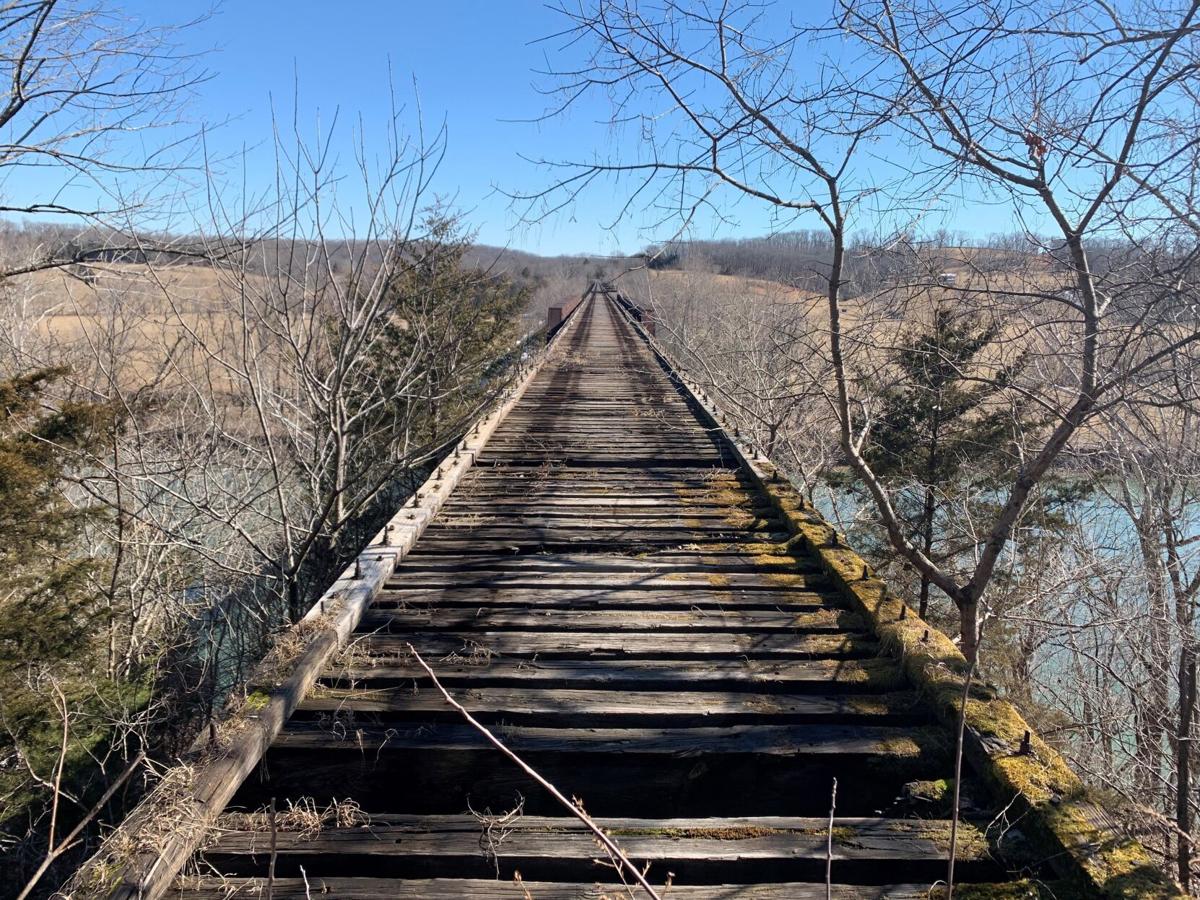
Efforts to establish a new cross-state bike trail in Missouri have made little progress, facing various challenges that hinder its development. The proposed trail, designed to connect scenic areas across the state, has encountered significant obstacles, including funding issues and regulatory hurdles.
The initiative, supported by the Missouri Department of Natural Resources, aims to create a dedicated path for cyclists and pedestrians stretching over several hundred miles. This ambitious project seeks to enhance Missouri’s outdoor recreational offerings while promoting tourism and local economies. However, as of now, the project remains in a state of limbo.
Funding and Community Support Challenges
The Missouri Department of Natural Resources has indicated that approximately $1.5 million is necessary for the initial phases of the trail’s development. Despite the potential benefits, securing this funding has proven difficult. Local governments and community organizations have expressed interest, yet financial commitments have yet to materialize.
Community support is crucial for the trail’s success, but not all residents are convinced of its value. Concerns about maintenance costs and the environmental impact of such a project have led to mixed reactions in various communities along the proposed route. Engaging with local stakeholders remains a critical step in moving forward.
Regulatory and Logistical Hurdles
In addition to funding, regulatory approvals are another significant factor contributing to the delays. Establishing a cross-state trail involves navigating a complex web of local, state, and federal regulations. Each segment of the trail must meet various environmental and safety standards, complicating the process further.
The project has also encountered logistical challenges. Identifying suitable routes that minimize disruption to existing communities and natural habitats is a complex task. The Missouri Department of Natural Resources continues to work with environmental groups and local governments to address these concerns.
Despite these setbacks, advocates for the trail remain hopeful. They argue that the economic and health benefits of expanding outdoor recreational opportunities are substantial. By promoting cycling and walking, the trail could contribute to improved public health and increased tourism revenue for the state.
As discussions continue, stakeholders are urged to remain engaged and proactive in seeking solutions. The vision for a cross-state bike trail in Missouri remains alive, but without concerted efforts and collaboration, it risks remaining stuck in low gear for the foreseeable future.