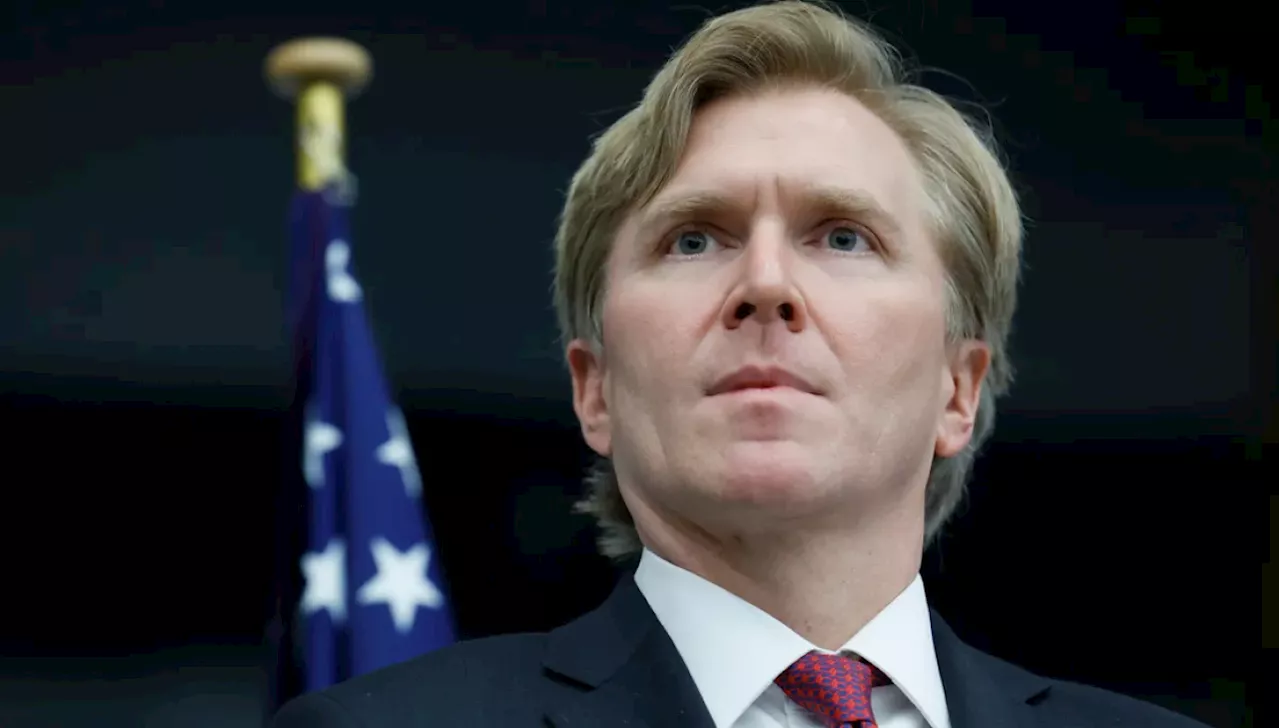
At the Munich Security Conference on March 16, 2024, Pentagon policy chief Colin Colby emphasized a shift in U.S. foreign policy, rejecting the notion of the United States as a “great empire.” Instead, Colby outlined a vision focused on a “stability model,” where the U.S. collaborates with allies to enhance regional security while allowing nations to determine their own futures.
Colby likened foreign policy to running a business, where each partner must contribute to operations and funding. He stated, “We’re not looking to boss everybody around. We want a favorable balance of power where countries can chart their own future.” This pragmatic approach reflects a departure from traditional dominance, aiming instead for mutual support among nations.
The Pentagon official defended the Trump administration’s “America First” strategy as a form of common sense, particularly towards major powers like China. He asserted that the U.S. is adopting a “clear-eyed” perspective on China, aiming for stability rather than confrontation. His comments resonate with ongoing discussions about how the U.S. should engage with global powers while maintaining its influence.
Colby called for a greater commitment from allies, particularly within NATO, to increase defense spending and discourage adversarial alliances. He suggested that a united front would deter potential aggressors. “Let’s all be in a place where we’ve got a good buffer of assurance,” he said, illustrating the importance of military readiness as a deterrent.
This philosophy echoes Colby’s earlier proposal for a “NATO 3.0,” which aims to adapt the alliance’s strategies to current global dynamics. He expressed optimism about recent increases in defense budgets from European nations, indicating a shift towards greater collective responsibility.
During the conference, German Chancellor Friedrich Merz echoed these sentiments, advocating for a “strong, self-supporting European pillar.” Merz urged European nations to reduce their dependence on the U.S. while fostering internal partnerships. Colby noted that Merz’s approach was practical, resembling a business discussion centered on sustainable operations.
Concerns persist among longstanding allies regarding the U.S. commitment to global leadership. Critics argue that the U.S. is prioritizing a transactional philosophy over its historical dedication to democratic values. Merz emphasized the need to “repair and revive trans-Atlantic trust,” a sentiment that reflects unease about the future of U.S.-European relations.
Colby reassured NATO members that while the U.S. may not assume a caretaker role, it remains deeply connected to Europe. “For us Americans, home may be in the Western Hemisphere, but we will always be a child of Europe,” he stated, reaffirming the U.S.’s enduring ties to its allies.
As the conference concluded, Colby’s vision for a “stability model” highlighted the need for practical cooperation among nations. This approach focuses on enhancing collective security while respecting the autonomy of individual countries, aiming to create a more balanced global order.