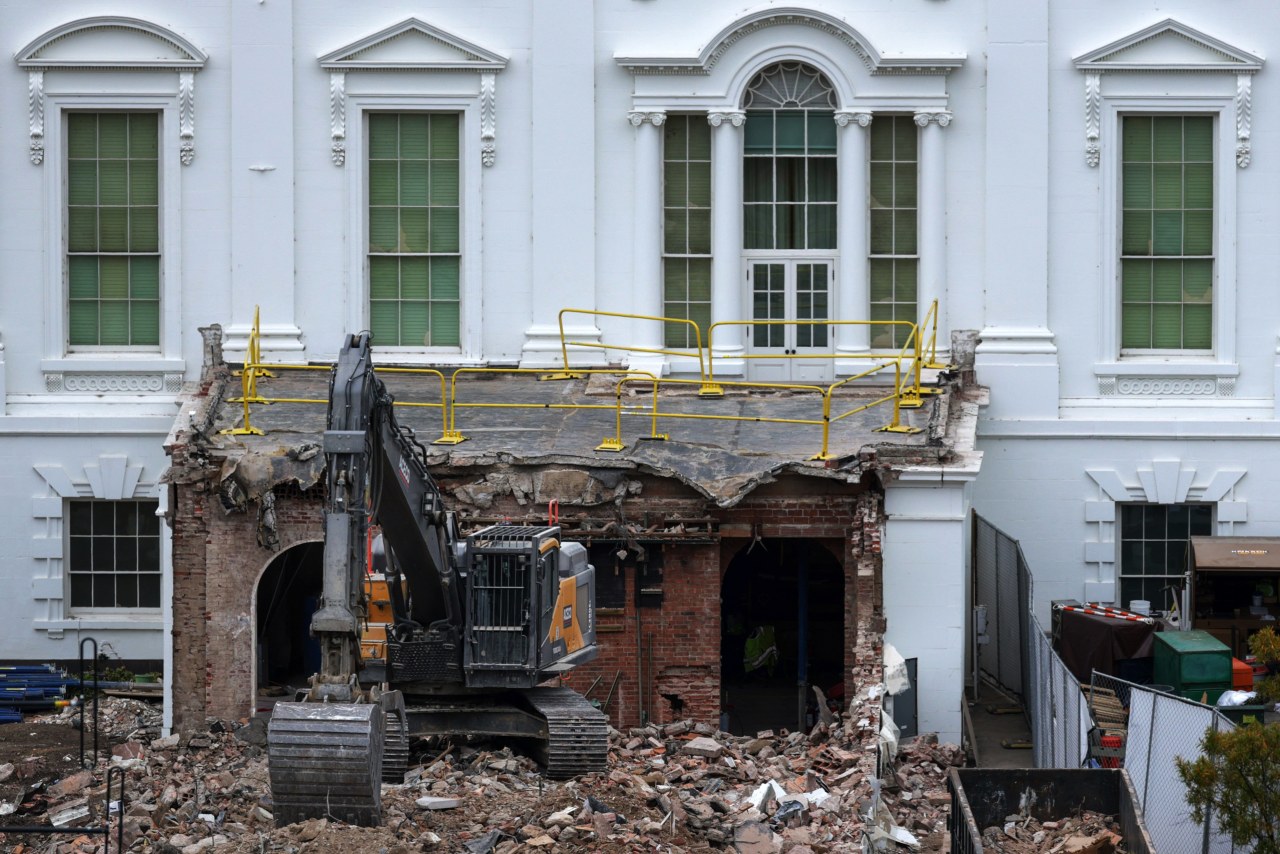
A historical-preservation organization has initiated legal action against former President Donald Trump regarding plans to demolish the East Wing of the White House. The National Trust for Historic Preservation seeks a court order to halt any construction activities until a thorough federal review of the project is conducted.
The lawsuit, filed in late March 2024, argues that the proposed demolition and subsequent construction of a large ballroom infringe upon the historical integrity of the White House. The National Trust emphasizes the significance of the East Wing, which has served various important functions since its completion in 1946.
In the legal documents, the organization contends that the East Wing is not only a vital part of the White House’s architectural history but also a symbol of American governance. They assert that any alterations to this historic site require careful consideration and compliance with federal preservation laws.
According to the lawsuit, the National Trust is calling for a detailed assessment of the implications of the project, including its potential impact on the White House’s status as a National Historic Landmark. The group argues that the proposed alterations could set a troubling precedent for future modifications to significant historical sites.
The East Wing of the White House, which houses offices for the First Family and serves as a venue for various official events, has remained largely unchanged for decades. The planned ballroom is said to be part of broader renovations aimed at modernizing the space, but preservationists fear that such changes could erode the historical context of the site.
In a statement, the National Trust for Historic Preservation underscored the importance of safeguarding the nation’s historical assets. “Our nation’s heritage should be preserved for future generations, and we must ensure that any alterations to significant sites are undertaken with the utmost care and respect,” the group said.
The lawsuit has garnered attention from both supporters and opponents of the renovation plans. Advocates for the project argue that modernization is necessary to maintain the White House’s relevance and functionality in contemporary times. Critics, including preservationists, counter that such changes risk diminishing the historical character that defines the White House.
As the legal proceedings unfold, the future of the East Wing remains uncertain. The National Trust hopes that the court will recognize the necessity for a federal review, ensuring that any decisions made will honor the historical significance of the site.
The outcome of this lawsuit could have far-reaching implications for how historic sites are treated in the United States, potentially influencing similar cases involving significant properties across the nation. As discussions continue, the focus remains on balancing the need for modern amenities with the preservation of America’s architectural legacy.