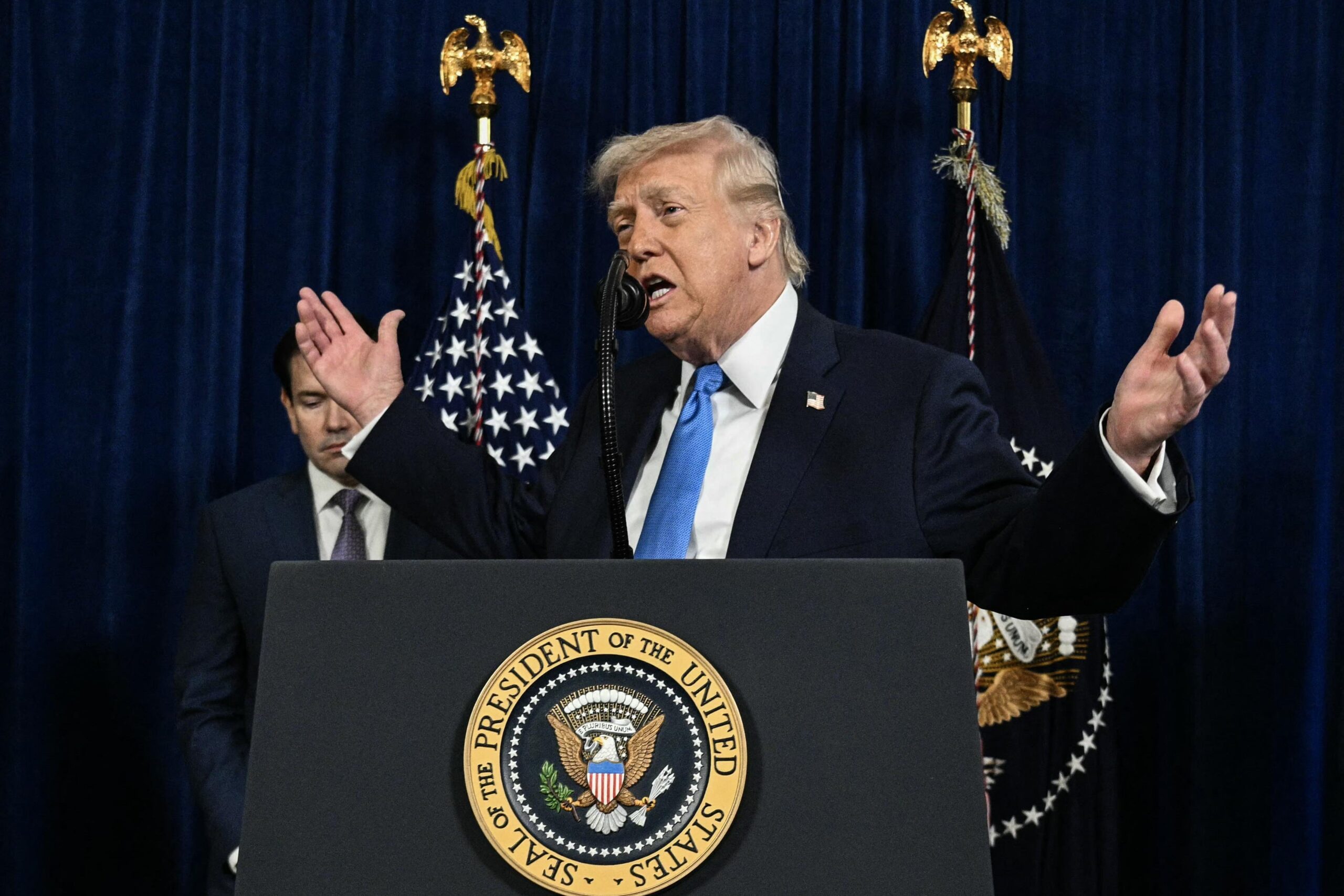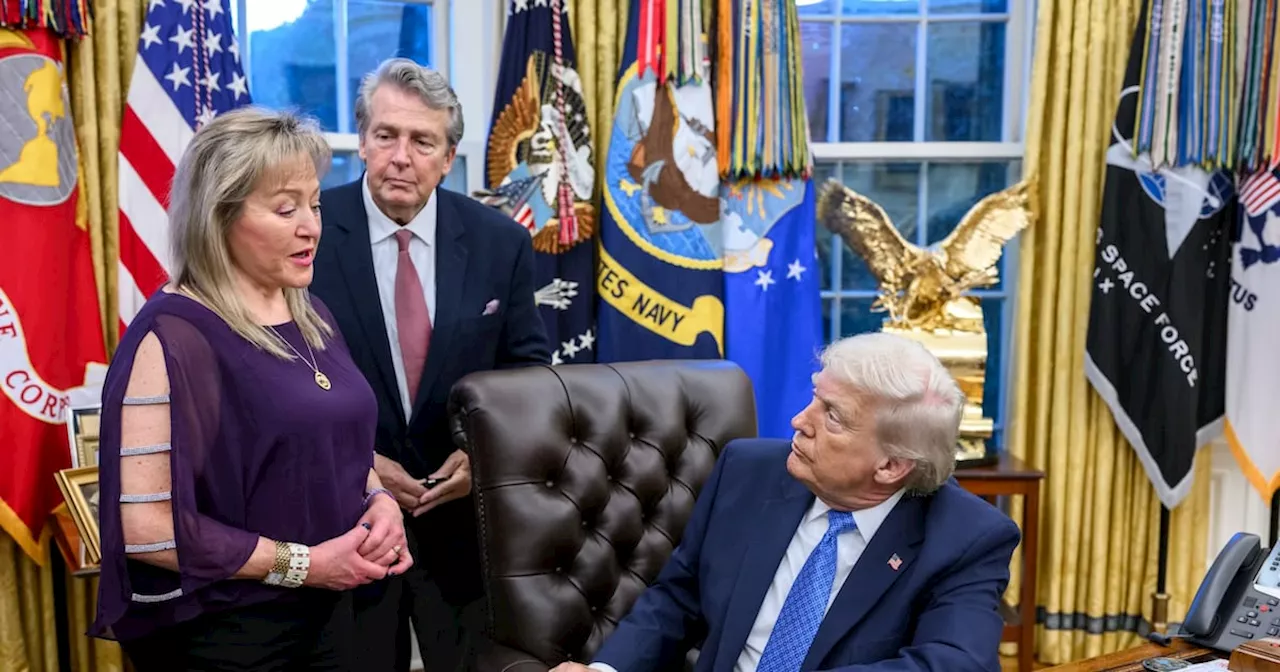
A significant development occurred in the fight against fentanyl when President Donald Trump signed legislation aimed at fentanyl education on December 1, 2025. This new law is named after Sandy Snodgrass‘s son, Bruce, who tragically lost his life to the drug at the age of 22 in an Anchorage parking lot. During the signing ceremony at the White House, Snodgrass not only honored her son but also engaged in a pivotal conversation with Trump, leading to the classification of fentanyl as a weapon of mass destruction.
Snodgrass, an activist dedicated to raising awareness about the dangers of fentanyl, shared a heartfelt moment with the president, showing him a photo of her son by an Alaskan glacial lake. Their exchange took a critical turn when Snodgrass expressed her desire to have fentanyl officially recognized as a weapon of mass destruction. Trump responded positively, stating, “That’s a good idea. Why haven’t we done that?”
The next day, Snodgrass received an email from White House staff requesting a policy memo drafted by her niece, which addressed the classification of fentanyl. This request indicated a direct interest from the president’s office in pursuing her suggestion. Shortly thereafter, Snodgrass attended a meeting at the White House, which included high-ranking officials such as the administration’s drug czar and representatives from the office of Vice President J.D. Vance. During this meeting, Snodgrass was asked to elaborate on why fentanyl should be classified as a weapon of mass destruction.
In light of the implications of this classification, experts have noted that the practical impact remains uncertain. The designation places fentanyl alongside nuclear, chemical, and biological weapons on a federal list of substances with the potential to cause widespread human devastation. This move is part of a broader initiative to combat the opioid crisis, which has devastated communities across the United States.
While Snodgrass acknowledges that she may not have single-handedly influenced this decision, she believes her discussions with Trump highlighted the urgency of the issue. “I think my exchange with the president helped put it at the forefront of his mind,” she stated.
The White House has not formally credited Snodgrass for the classification, with Deputy Press Secretary Abigail Jackson initially downplaying her influence. In a response to inquiries about Snodgrass’s role, the White House stated, “President Trump did this for the hundreds of thousands of Americans impacted by fentanyl.” The administration emphasized Trump’s ongoing commitment to addressing the fentanyl crisis and receiving input from various stakeholders.
As the implications of this new classification unfold, it is clear that the issue of fentanyl remains a pressing concern, with advocates like Snodgrass pushing for greater awareness and more stringent penalties for those involved in drug trafficking. The recent legislative changes signify a growing recognition of the opioid crisis’s severity and the need for robust policy responses.
Sandy Snodgrass’s advocacy continues to shine a light on the personal tragedies resulting from fentanyl abuse, and her journey illustrates the potential for individual voices to influence national policy. As discussions around drug classification evolve, the community remains hopeful that these changes will lead to greater protection and awareness in the ongoing battle against fentanyl.