The Reserve Bank of Australia (RBA) has increased the cash rate to 3.85%, marking the first hike in over two years. This decision, announced on October 3, 2023, aims to address ongoing economic pressures, despite the potential burden it places on mortgage holders across the nation.
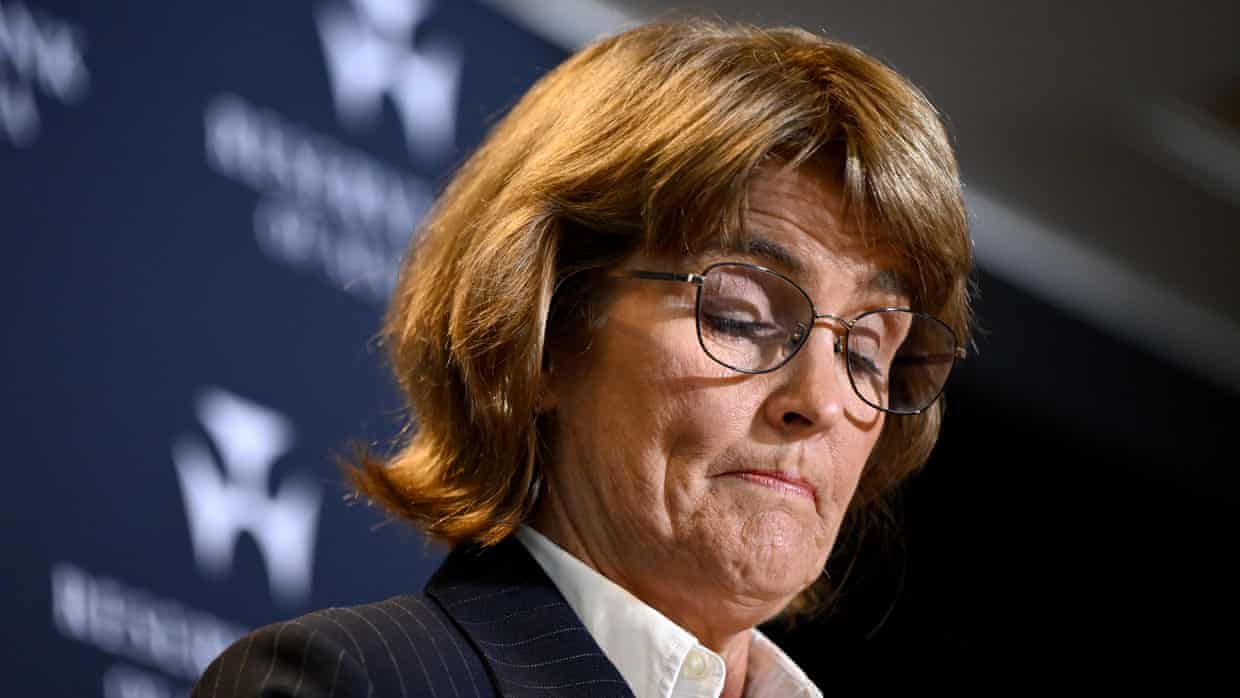
Governor Michele Bullock expressed understanding of the difficulties faced by those with mortgages. “Now, I know this is not the news that Australians with mortgages want to hear, but it is the right thing for the economy,” she stated during the announcement. Bullock emphasized that the increase is necessary to combat inflationary pressures that have been affecting various sectors.
The RBA’s decision follows a prolonged period of low interest rates, which were aimed at stimulating economic growth during the COVID-19 pandemic. However, rising inflation rates have prompted the bank to reassess its monetary policy. According to the Australian Bureau of Statistics, inflation reached 6.1% in August 2023, indicating a need for action.
Impact on Mortgage Holders
The increase in the cash rate is projected to have significant implications for mortgage holders. Many Australians may see an increase in their monthly repayments as lenders adjust their rates to reflect the RBA’s decision. Financial analysts predict that this will strain household budgets, especially for those already managing tight finances.
Homeowners who have variable rate mortgages are particularly vulnerable, as their interest payments will rise immediately. Fixed-rate mortgage holders may feel less immediate impact, but they could face higher costs when their terms come up for renewal. The RBA’s decision has sparked concern among consumer advocates, who argue that this could lead to increased financial stress for many families.
Future Outlook
As the RBA navigates these challenging economic waters, it faces the delicate task of balancing interest rates with growth. Bullock reiterated the bank’s commitment to ensuring economic stability while managing inflation. She acknowledged that the path ahead may be difficult for many Australians but maintained that these measures are essential for long-term economic health.
The RBA is expected to continue monitoring economic indicators closely, and further adjustments to the cash rate may occur if inflation does not show signs of retreating. With the rising cost of living and a potential slowdown in consumer spending, the bank’s decisions in the coming months will be closely scrutinized.
In summary, the RBA’s decision to raise the cash rate to 3.85% reflects a proactive stance in addressing inflation challenges, even as it places additional burdens on mortgage holders. As the situation evolves, Australians will be watching closely for further developments in monetary policy and its impact on their finances.