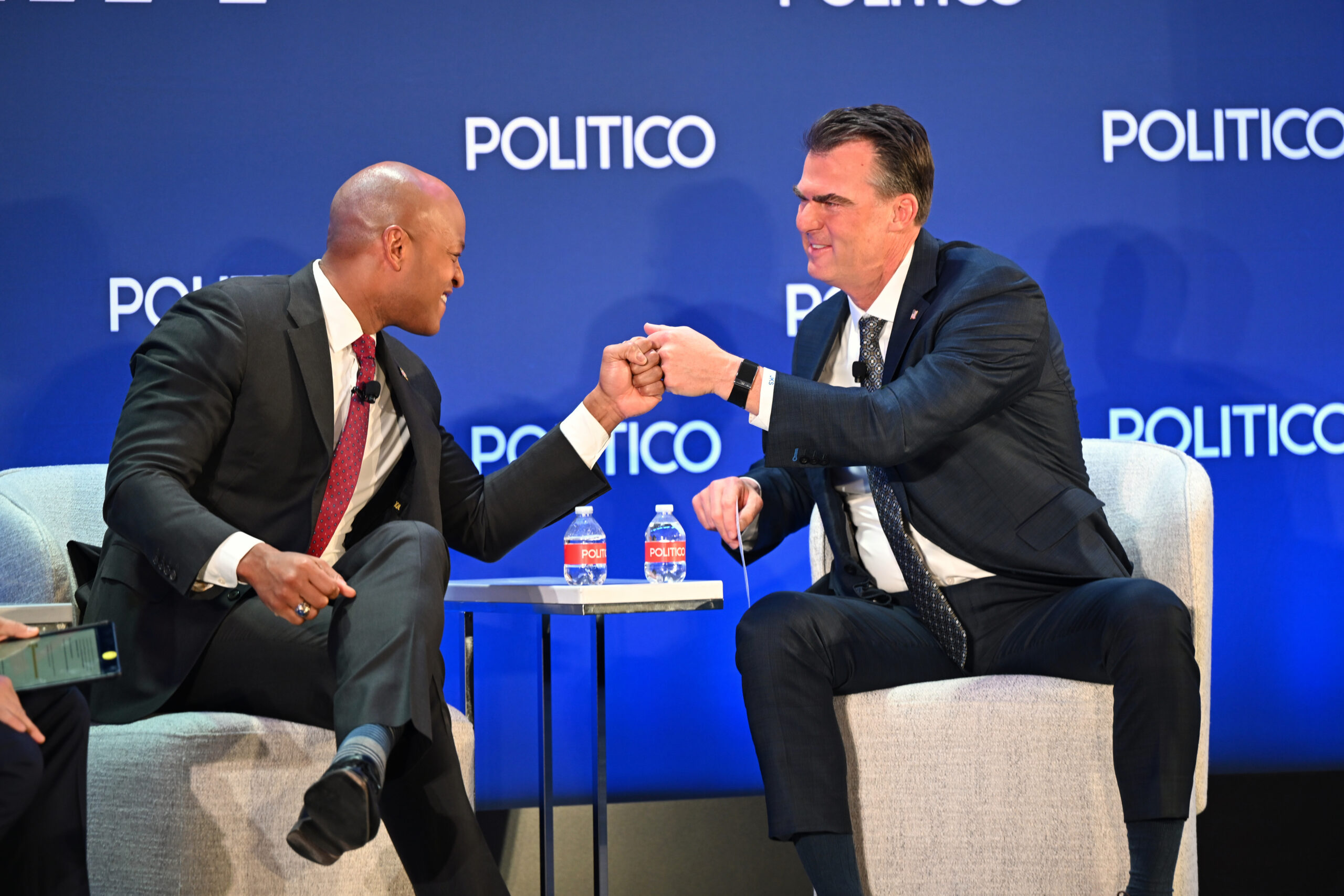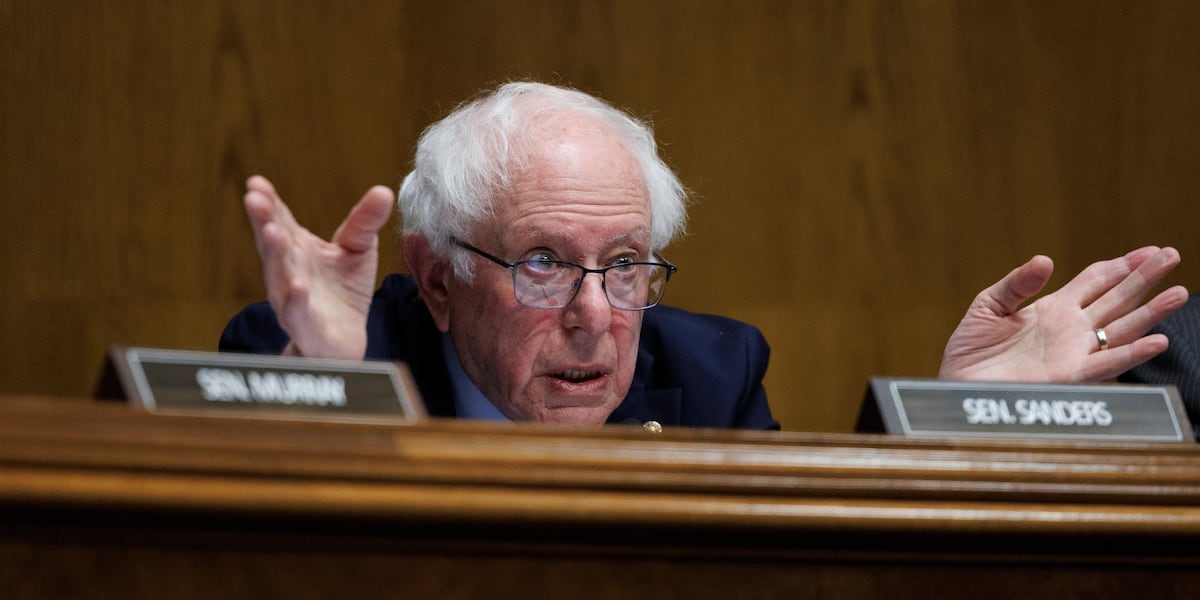
During a Senate hearing on March 15, 2024, Senator Bernie Sanders of Vermont and Senator Markwayne Mullin of Oklahoma engaged in a heated debate regarding health care costs. The exchange took place as the committee discussed the nomination of Dr. Casey Means for surgeon general, a nominee with ties to former President Donald Trump’s administration.
Senator Mullin criticized the Affordable Care Act, commonly referred to as Obamacare, claiming it has led to skyrocketing health care expenses. “Affordable Health Care, which is completely unaffordable, has risen three times faster than inflation itself,” Mullin stated. He emphasized that the Democratic Party continues to support a program he believes is failing to deliver cost-effective solutions.
In response, Sanders advocated for a national health care program intended to lower costs. The discussion intensified when Mullin sought to regain his speaking time, prompting Sanders to assert, “You’re attacking me. You’re going to attack me, I’m going to respond.” Mullin countered, insisting he was merely stating facts, to which Sanders retorted, “No, you’re pointing out lies.”
Contentious Background and Implications
The hearing not only highlighted the ongoing partisan divide over health care but also showcased the larger implications of the Affordable Care Act. Critics like Mullin argue that the legislation has exacerbated financial burdens for many families, while supporters, including Sanders, contend that a national approach could provide a solution to rising costs.
Dr. Casey Means, the nominee in question, aligns with the views of Health and Human Services Secretary Robert F. Kennedy Jr., particularly regarding vaccination policies. Her confirmation could influence the future direction of health care policy in the United States, especially in the context of ongoing debates about public health initiatives.
The exchange between Sanders and Mullin is not unprecedented; they previously clashed in 2023 over health care issues, with tensions escalating to the point of physical threats from Mullin towards Teamsters union president Sean O’Brien.
Future of Health Care Policy
As discussions continue, the outcomes of these hearings and the potential confirmation of Dr. Means could significantly impact health care policy and access across the nation. The contrasting visions of Sanders and Mullin reflect broader national conversations about how best to address the economic challenges associated with health care. The debate is likely to resonate with voters as it underscores key differences in the political landscape.
The Senate’s deliberations will be closely watched, as the decisions made may shape the future of health care in the United States, influencing both policy and public sentiment.