The U.S. Senate Republicans voted against a War Powers Resolution on August 30, 2023, effectively halting a Democratic initiative aimed at limiting the president’s ability to initiate military strikes against Iran without congressional approval. This decision arrives during a period of escalating tensions in the Middle East, particularly following the Pentagon’s report of the sinking of an Iranian warship.
The resolution sought to reinforce the legislative branch’s authority over military engagements, an area of contention between the executive and legislative branches. Advocates of the measure argued that it is essential to ensure Congress retains its constitutional responsibility to declare war. In contrast, opponents claimed that such restrictions could undermine the United States’ military readiness and response capabilities.
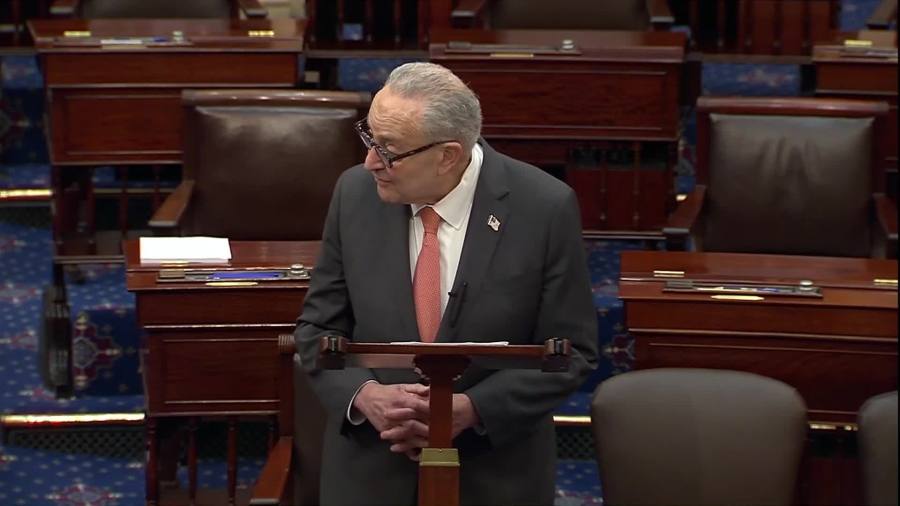
Senate Majority Leader Chuck Schumer expressed disappointment following the vote, highlighting the importance of congressional oversight in military actions. He stated that the resolution was a critical step towards restoring checks and balances within the government. “The need for congressional approval in matters of war is foundational to our democracy,” Schumer noted.
The rejection of the resolution comes as the situation in the Middle East intensifies. Reports indicate increased hostilities, with both military and diplomatic tensions rising. The Pentagon’s announcement regarding the sinking of the Iranian warship has further complicated the landscape, prompting discussions about the potential for military escalation.
In a statement, Senate Minority Leader Mitch McConnell defended the Republicans’ position, emphasizing the need for the president to have flexibility in national security matters. “Our military must have the ability to respond swiftly to threats, and this resolution would hinder that capability,” McConnell asserted.
The debate over the War Powers Resolution reflects broader concerns regarding the balance of power in U.S. governance. Many lawmakers are increasingly divided on the issue, with some arguing that recent military engagements have underscored the necessity for a more robust congressional role in approving military actions.
As discussions continue, the implications of this vote may resonate well beyond the Senate chambers. Analysts suggest that the ongoing conflict in the Middle East and the U.S.’s military posture will remain a focal point for both parties as they navigate the complexities of international relations and national security in the coming months.
With rising stakes and heightened military involvement, the dynamics between Congress and the White House will likely be scrutinized as lawmakers grapple with their responsibilities in matters of war and peace.