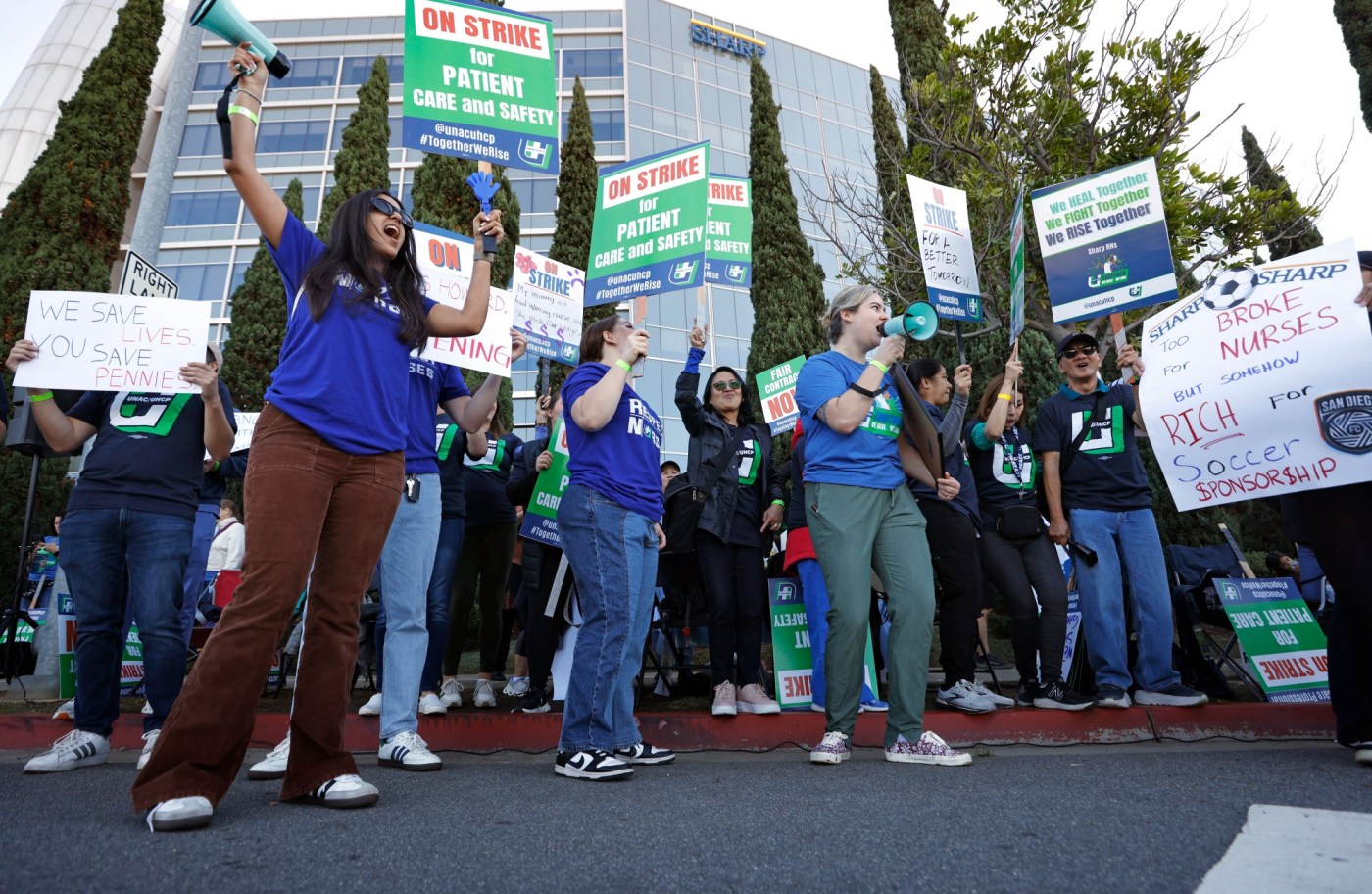
Registered nurses at Sharp HealthCare initiated a three-day strike starting at 07:00 on November 26, 2025, in San Diego, CA. Over 5,800 nurses, represented by the United Nurses Associations of California, gathered to advocate for better wages and improved patient safety standards. Picket signs displayed slogans such as “On strike for patient care and safety,” emphasizing the core issues at the heart of the protest.
At a press conference on the same morning, Susan Stone, Sharp’s chief nursing executive, contested the assertion that patient care was at risk, arguing that the organization adheres to legally mandated nurse-to-patient ratios and often exceeds them. “We received a 10-day strike notice citing unsafe staffing and patient safety concerns,” Stone stated. “I want to be very clear: Sharp maintains safe, legally-mandated nurse-to-patient ratios across all of our hospitals.”
The strike, which is set to conclude on November 28, aims to address several critical issues, including wage disparities. Union communications highlight safe staffing levels, sick leave policies, and fair wages as fundamental reasons for the strike. While Stone mentioned proposals for pay increases totaling over 16% over four years, union representatives expressed skepticism regarding the accuracy of these figures.
Anna Lawler, chair of the Sharp bargaining unit, challenged the claims about salary increases, stating, “I would love to see their math, because I have no idea where that would come from.” Lawler emphasized that many nurses, particularly those with extensive experience, do not see such salary figures reflected in their paychecks. “Our average nurse is not a 20- or 24-year senior nurse,” she added.
The discrepancy in wage expectations between Sharp and its competitors is a significant point of contention. Pamela Chandran, the union’s chief negotiator, indicated that Sharp’s wage offer is not competitive with other major healthcare providers in the area, such as the University of California and Kaiser. “We are losing nurses to those two places because they pay double-digit percentages higher at the mid- and senior career step,” Chandran explained.
Nurses also voiced concerns about a proposed two-tier wage system that would offer less compensation for new hires compared to more experienced staff. This structure, they argue, could exacerbate retention issues and lead to unsafe staffing levels, ultimately impacting patient care.
In response to concerns regarding sick leave, Sharp has proposed a new policy that would grant each nurse 70 hours of paid sick time at the beginning of each year, replacing the previous accrual system. This change aims to alleviate the burden on nurses who previously had to work for ten weeks to earn enough sick leave for a single shift.
To maintain operations during the strike, Sharp has brought in 950 temporary workers. While union leaders planned to continue picketing throughout the strike, they also arranged for members to spend Thanksgiving Day with their families, resuming protests on Friday morning.
This strike marks the first significant labor action since the nurses unionized in 1996, highlighting the ongoing tensions between healthcare providers and nursing staff regarding working conditions and compensation. As the strike progresses, both sides will need to navigate these complex issues to reach a resolution that addresses the concerns of the nurses while ensuring continued quality care for patients.