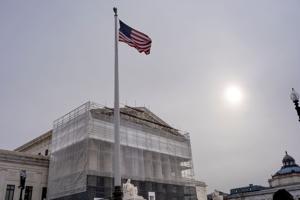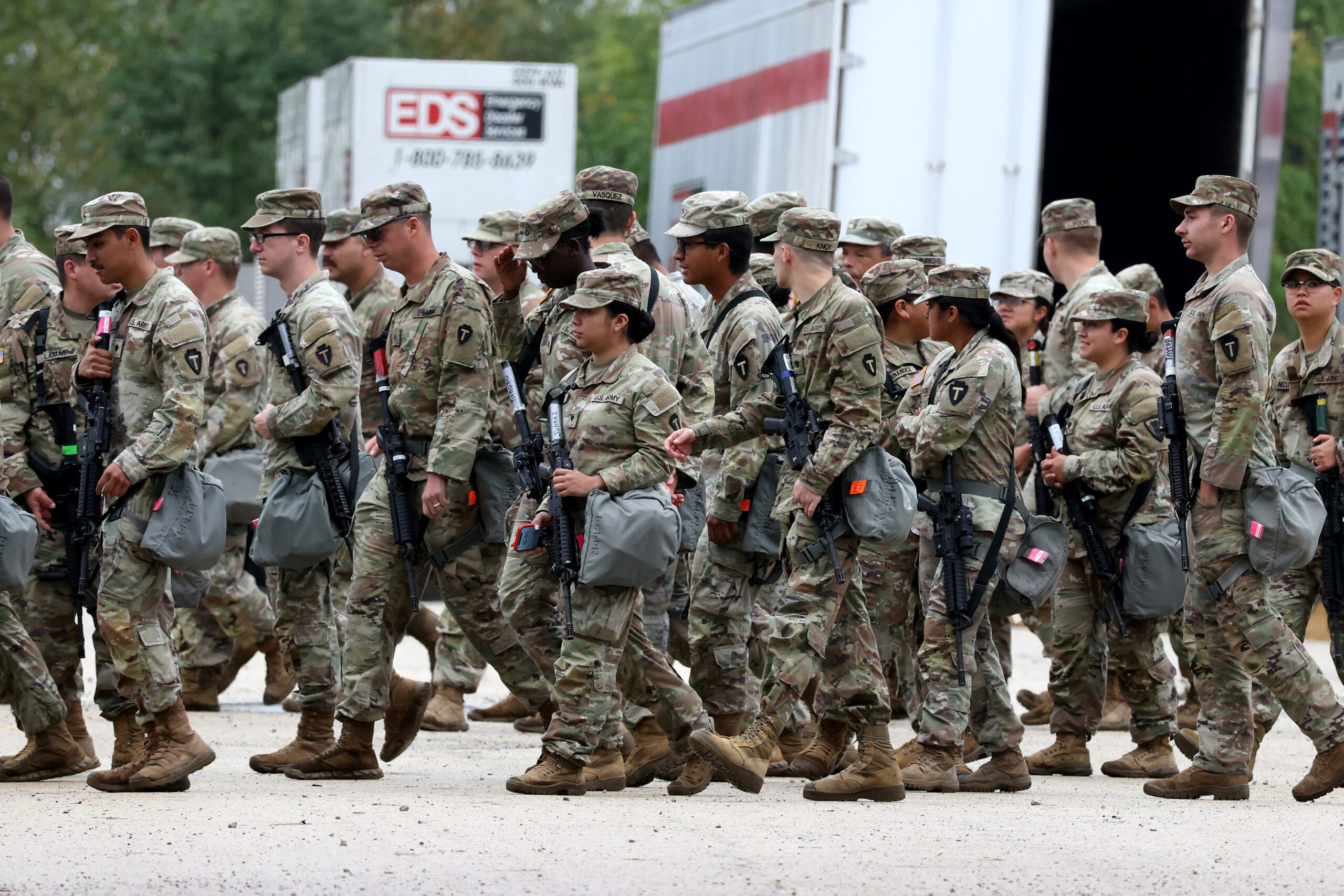
The U.S. Supreme Court ruled against the deployment of Texas National Guard troops to Illinois, marking a significant check on federal authority. In a 6-3 decision issued on October 3, 2023, the court stated that the federal government lacked the authority to send military personnel in this manner, emphasizing the importance of state sovereignty.
The case arose when President Donald Trump attempted to mobilize Texas National Guard soldiers to assist with immigration enforcement outside of Chicago. The deployment was controversial, as both Governor Greg Abbott and local officials had expressed that they did not require additional military support. Critics argued that the presence of troops, particularly when unrequested, would only exacerbate community tensions.
In the majority opinion, the Supreme Court highlighted that “The Government has failed to identify a source of authority that would allow the military to execute the laws in Illinois.” This ruling reflects ongoing tensions between state and federal powers, particularly in the context of immigration enforcement.
Illinois Attorney General Kwame Raoul supported the ruling, arguing that it protects the state’s ability to manage its own policing and maintains the integrity of American federalism. Raoul’s legal filing underscored the need for states to retain control over their local matters, free from what he described as “unprecedented intrusion” by the federal government.
The deployment of Texas troops had initially been framed as a necessary response to a supposed “invasion” at the U.S.-Mexico border, a term frequently used by the Trump administration. However, no such invasion was evident in Chicago, where the National Guard’s activities were largely restricted during their deployment, resulting in limited engagement and significant costs to taxpayers.
In dissent, Justices Samuel Alito and Clarence Thomas argued that the court’s majority failed to consider the potential violence against federal agents enforcing immigration laws. Alito emphasized the importance of protecting these officers from harm, noting that local, state, and federal enforcement can work together to address such issues.
This deployment cost millions of dollars while disrupting the lives of the soldiers involved, who found themselves in a position where their duties were unclear. Critics pointed out that while the military presence was intended to bolster federal enforcement, it ultimately served little purpose and became a political tool for fundraising efforts by Governor Abbott.
The Supreme Court’s decision is a reminder of the delicate balance between federal and state authority in the United States, particularly in the contentious arena of immigration policy. As the legal landscape continues to evolve, the implications of this ruling may resonate in future debates over the role of the National Guard and the federal government’s reach into state affairs.