Ex-Boston City Councilor Tania Fernandes Anderson, recently released from prison, has publicly criticized the recent election for Council president, alleging a concerted effort to undermine her former colleague Brian Worrell and the Black community. In a letter to her former District 7 Advisory Council, Fernandes Anderson described the events leading up to Liz Breadon‘s election on March 6, 2023, as a calculated maneuver rather than a chaotic vote.
Fernandes Anderson, who resigned after being convicted on federal corruption charges, stated, “What unfolded in the City Council leadership vote was not confusion or chaos; it was choreography.” She emphasized that the situation was less about leadership and more about power dynamics within the council. Worrell, who represents District 4 (Mattapan and Dorchester), was narrowly defeated by Breadon, who represents District 9 (Allston/Brighton), by a vote of 7-6.
Worrell had been campaigning for the presidency for months and appeared to gain momentum when Gabriela Coletta Zapata dropped out of the race shortly before the vote. Sources indicated that Coletta Zapata’s withdrawal was prompted by three councilors—Breadon, Enrique Pepén, and John FitzGerald—switching their support to Worrell due to concerns regarding Coletta Zapata’s decision to appoint Henry Santana as vice president. Santana, an ally of Mayor Michelle Wu, required assistance from Wu’s campaign to qualify for the upcoming preliminary ballot.
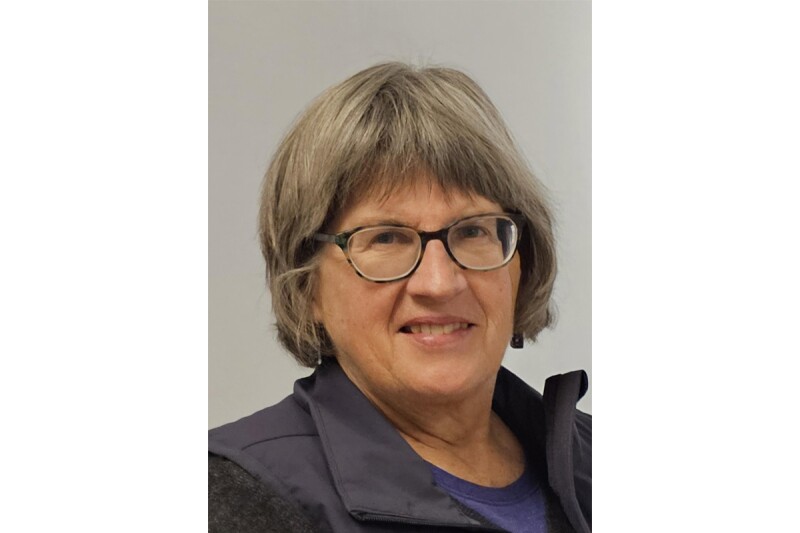
Breadon, an immigrant from Northern Ireland and the first openly gay woman elected to the council, claimed she was not initially seeking the presidency. She was urged to consider the position by councilors Sharon Durkan and Pepén late on the night before the vote. Her nomination was put forward by Benjamin Weber, another ally of Mayor Wu, and all seven votes in her favor came from council members connected to the mayor’s office.
Fernandes Anderson characterized the actions of councilors Durkan and Pepén as politically motivated, describing them as intermediaries trying to provide stability for the mayor. She criticized Weber’s nomination of Breadon as self-serving, suggesting it aimed to secure favorable committee positions for him in the future.
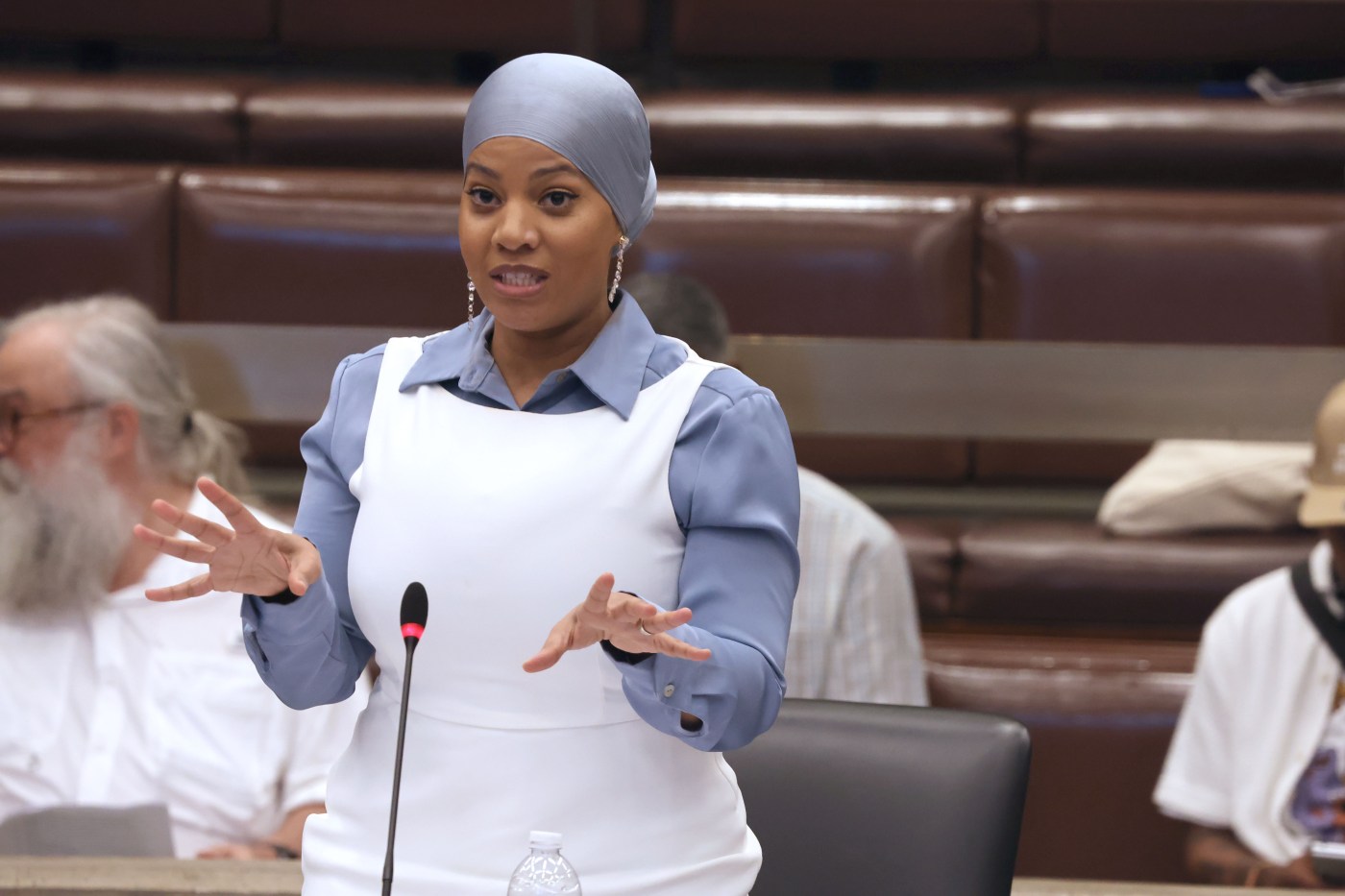
In her letter, Fernandes Anderson recounted a last-minute effort by Ruthzee Louijeune, a Black Haitian-American councilor, who was seen attempting to renegotiate committee assignments with Worrell, despite having previously assured him of her support. She further alleged that Mayor Wu’s administration worked to neutralize FitzGerald through committee punishment, aiming for a result that favored the mayor.
While Worrell had previously stood firm in support of Louijeune during her election as Council president, Fernandes Anderson noted that the current events starkly contrasted with that instance. Worrell would have been the third Black man to serve as Council president and the first in 25 years.
Reflecting on the implications of this vote, Fernandes Anderson remarked on the inconsistency between Mayor Wu’s rhetoric of promoting democracy and the actions taken to block Worrell’s ascent to the presidency. “One cannot credibly claim to defend democracy while orchestrating the blocking of a Black man from becoming Council president precisely because he exercised democratic power with integrity,” she stated.
When asked about her unexpected bid for the presidency, Breadon expressed that the opportunity presented itself at the last moment, stating, “It just seemed like this door opened at the last moment, and I had the support of other members of the Council and I was honored to be asked to consider it.”
As the fallout from this election continues to unfold, the implications for the Boston City Council and its leadership dynamics remain significant, particularly regarding representation and power within the city’s governance.