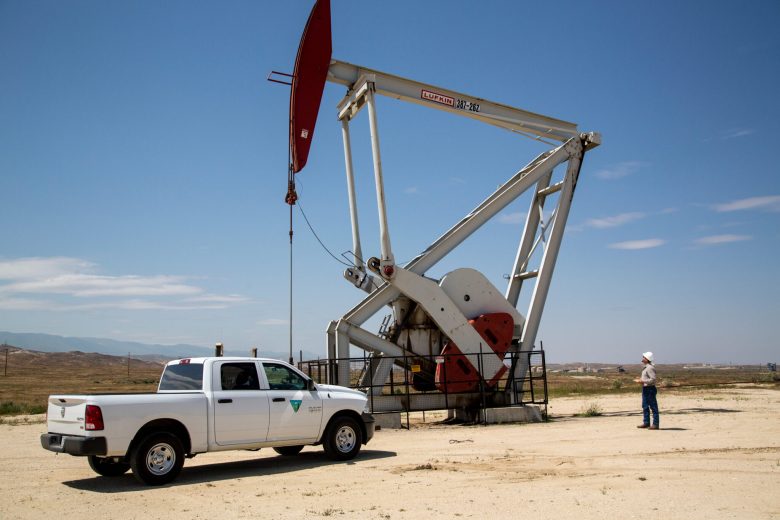
The Trump administration is renewing efforts to expand oil drilling on nearly 2 million acres of public land in California, following a proposed plan by the Bureau of Land Management (BLM). This initiative, which encompasses areas from Santa Barbara to the Bay Area, includes land adjacent to national parks, coastlines, and residential communities. The move marks a significant attempt to tap into domestic fossil fuel resources amid ongoing geopolitical tensions impacting oil supplies.
This latest push comes after previous attempts to open California public lands for drilling faced legal challenges. During the Trump administration’s prior term, environmental groups and the state of California filed lawsuits claiming that environmental reviews inadequately addressed the implications of fracking. As a result, many of these initiatives were stalled.
Cooper Kass, an attorney with the Center for Biological Diversity, noted that the administration is optimistic about its current plans. “They think that they’ve assessed the fracking issue, and they should be free and clear to go now,” he said. This change in approach is raising concerns among environmental advocates who fear potential repercussions for local ecosystems.
The BLM’s previous attempts to open California lands for drilling began in 2019. At that time, the agency proposed making approximately 1.2 million acres overseen by its Bakersfield office and 800,000 acres from its Central Coast office available for oil drilling and fracking. These lands include a mix of federally managed areas and split estates where the surface is owned by private entities, but the mineral rights are held by the federal government.
Environmental organizations, including the Center for Biological Diversity, Los Padres ForestWatch, and the Sierra Club, alongside the state of California and local governments, successfully challenged the environmental impact assessments. They argued that these reviews failed to adequately consider the significant environmental consequences, including those related to fracking and habitat fragmentation.
In 2020, despite ongoing lawsuits, the administration attempted to auction off 4,000 acres in Kern County for oil extraction, but further legal actions halted this process. Subsequent settlements reached in 2022 prevented any new oil leases until the BLM could provide updated environmental analyses. These analyses were released on January 12, 2023, and proposed moving forward with the original 2019 plans.
The BLM’s analysis suggests that new drilling could occur in several counties, including Alameda, Contra Costa, and Monterey. The report claims that the environmental impacts would be “minor” and “minimal” in terms of air quality, water resources, and endangered species, such as the foothill yellow-legged frog and the northwestern pond turtle. Kass remarked, “They’re saying, ‘Not much has changed, and we’re sticking with what we decided before.’”
Concerns have been raised about the implications of drilling near sensitive areas, including the Carrizo Plain National Monument and Pinnacles National Park. Jeff Kuyper, executive director of Los Padres ForestWatch, emphasized that the proposal threatens vital public lands and water sources.
The BLM is currently in a public comment phase, which will close on March 6, 2023. The agency plans to finalize its decision by July 2023, determining whether to proceed with the proposed drilling efforts. Environmental advocates remain vigilant, with attorneys from the Center for Biological Diversity indicating they will closely scrutinize the BLM’s final decision.
Victoria Bogdan Tejeda, another attorney with the organization, stated, “We have sued in the past because we think that their decisions have violated the law, and right now, they are choosing to adopt the same decisions that they made in the past.” She highlighted the need for the BLM to consider new California laws that ban fracking and mandate that new oil wells be located at least 3,200 feet away from schools and homes.
The Trump administration filed a lawsuit against these California laws in mid-January, further complicating the landscape for drilling initiatives. Additionally, recent studies indicating public health risks associated with oil and gas production have not been taken into account in the BLM’s analyses, according to Michelle Ghafar, an attorney with Earthjustice.
Despite the push for drilling, analysts express skepticism regarding the viability of new oil projects in California given the current low oil prices. The Western States Petroleum Association praised the plan as a “common-sense proposal” aimed at enhancing energy independence and supporting local economies. Nonetheless, experts believe that the high costs associated with extracting oil from California’s aging fields may deter investment.
Matt Woodson, an analyst at Wood Mackenzie, noted that California’s oil production largely involves shallow and heavy oil fields, making it less appealing for new entrants. He stated, “The complexity and unique nature of the heavy oil fields here and the state’s regulatory environment make it a hard sell for new entrants.”
While Governor Gavin Newsom signed a bill last year to expedite permitting for new wells in Kern County, the actual interest from oil companies remains uncertain. Antoine Halff, co-founder of Kayrros, compared the situation to investments in Venezuela, where the political climate complicates decision-making. “In California, it’s a different context… I wouldn’t expect anybody to rush in and sink in billions of dollars to undertake projects that could take a long time to pay off,” he said.
As the BLM navigates public feedback and the complexities of environmental regulations, the outcome of this renewed push for drilling in California remains uncertain, with significant implications for local communities and ecosystems.