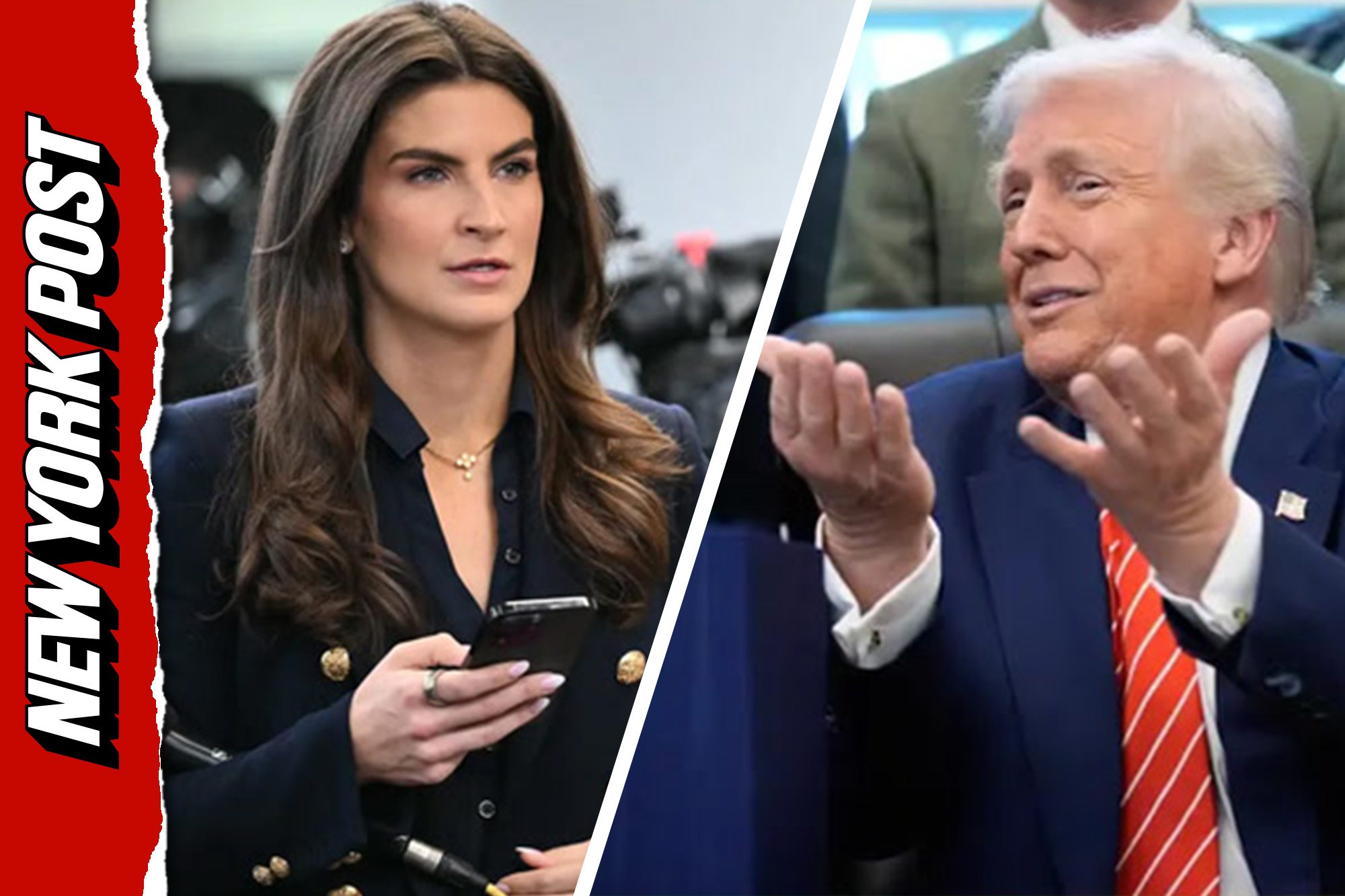
During a press event in the Oval Office on July 25, 2023, former President Donald Trump openly criticized Kaitlan Collins, a CNN anchor, branding her as the network’s “worst reporter.” This remark came after Collins posed questions regarding the release of documents related to Jeffrey Epstein, a case that has garnered significant media attention.
Trump’s comments were pointed, suggesting that Collins’ serious demeanor contributed to CNN’s declining viewership. “CNN has no ratings because of people like you,” he stated, reflecting his long-standing contention that the network’s approach to reporting is detrimental to its success. The exchange highlighted the ongoing tensions between Trump and various media outlets, particularly those he often deems unfavorable.
Context of the Exchange
The Oval Office has been the backdrop for many contentious interactions between Trump and the press. In this instance, Collins’ inquiries about the Epstein files were met with a personal attack rather than a substantive response. The documents in question are part of a broader investigation into Epstein’s activities, which have raised numerous questions about accountability and transparency among powerful individuals.
As Collins pressed for clarity on the implications of the released files, Trump’s dismissal of her professionalism served to underscore his strategy of undermining media credibility. This tactic has resonated with segments of the public who share skepticism towards mainstream media narratives.
Trump’s remarks are part of a wider discourse on media relations, especially in the context of how news organizations handle sensitive subjects like the Epstein case. The former president’s assertion that CNN’s ratings are suffering can be seen in light of broader trends in television viewership, where many traditional news outlets have experienced declining audiences.
Reactions and Implications
Reactions to the exchange have been mixed. Supporters of Trump often view his confrontational style as a challenge to what they perceive as biased reporting. Conversely, critics argue that such attacks on journalists undermine the foundational principles of a free press. Collins, who has been a prominent figure at CNN, has previously faced similar challenges in her reporting, particularly when covering contentious topics involving Trump.
The implications of this incident extend beyond a single press conference. It reflects ongoing debates about media integrity, the role of journalists in democratic society, and the impact of political rhetoric on public perception of the news. As the 2024 presidential race approaches, such interactions are likely to become more common, with both sides gearing up for a contentious campaign period.
In summary, Trump’s remarks about Collins during the Oval Office exchange encapsulate a significant moment in the ongoing relationship between political figures and the media. As the landscape evolves, the effectiveness of such confrontations in shaping public opinion remains a critical area of observation.