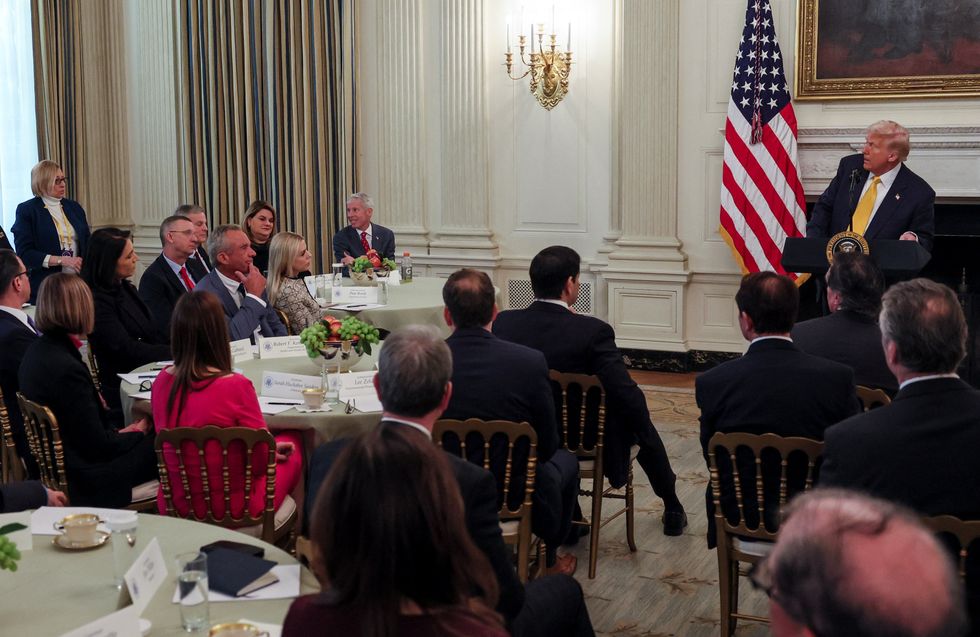
The prospect of an American military intervention in Greenland has emerged as a contentious topic, with former President Donald Trump suggesting a potential invasion of the territory, which is part of Denmark. This alarming statement has triggered a response from several NATO allies, particularly Germany, which is reportedly preparing to send troops to defend Greenland against any threats of occupation.
This situation echoes historical contexts where military actions were taken to uphold freedoms. In the 1940s, the United States actively participated in repelling invasions by Germany and other nations during World War II. The military efforts were aimed at restoring sovereignty and protecting nations from tyranny. Today, however, the notion that the U.S. might threaten to occupy a territory of a NATO ally raises significant concerns about the current trajectory of American foreign policy.
John Bertschler, a resident of Broadview Heights, expressed his bewilderment in a recent letter to the editor. He reflected on how the current political climate has altered his perception of the United States. “I no longer understand the country I live in and love,” Bertschler stated, highlighting a growing sentiment among citizens who are troubled by the implications of such a military threat.
The potential invasion of Greenland not only challenges the long-standing alliances within NATO but also raises questions about international norms regarding territorial integrity. As the situation develops, it remains critical to observe the diplomatic responses from affected countries and the broader implications for global security.
As NATO allies prepare for possible military involvement, the international community watches closely. The proposed actions by Trump have ignited debates about sovereignty, military ethics, and the future of diplomatic relations. The complexity of the current geopolitical landscape underscores the need for thoughtful dialogue and cooperation among nations to ensure peace and stability.
Concerns about the erosion of traditional alliances and the principles of mutual defense are rising, prompting many to question the direction of U.S. foreign policy under Trump’s leadership. The evolving narrative surrounding Greenland serves as a stark reminder of the delicate balance that exists in international relations today.