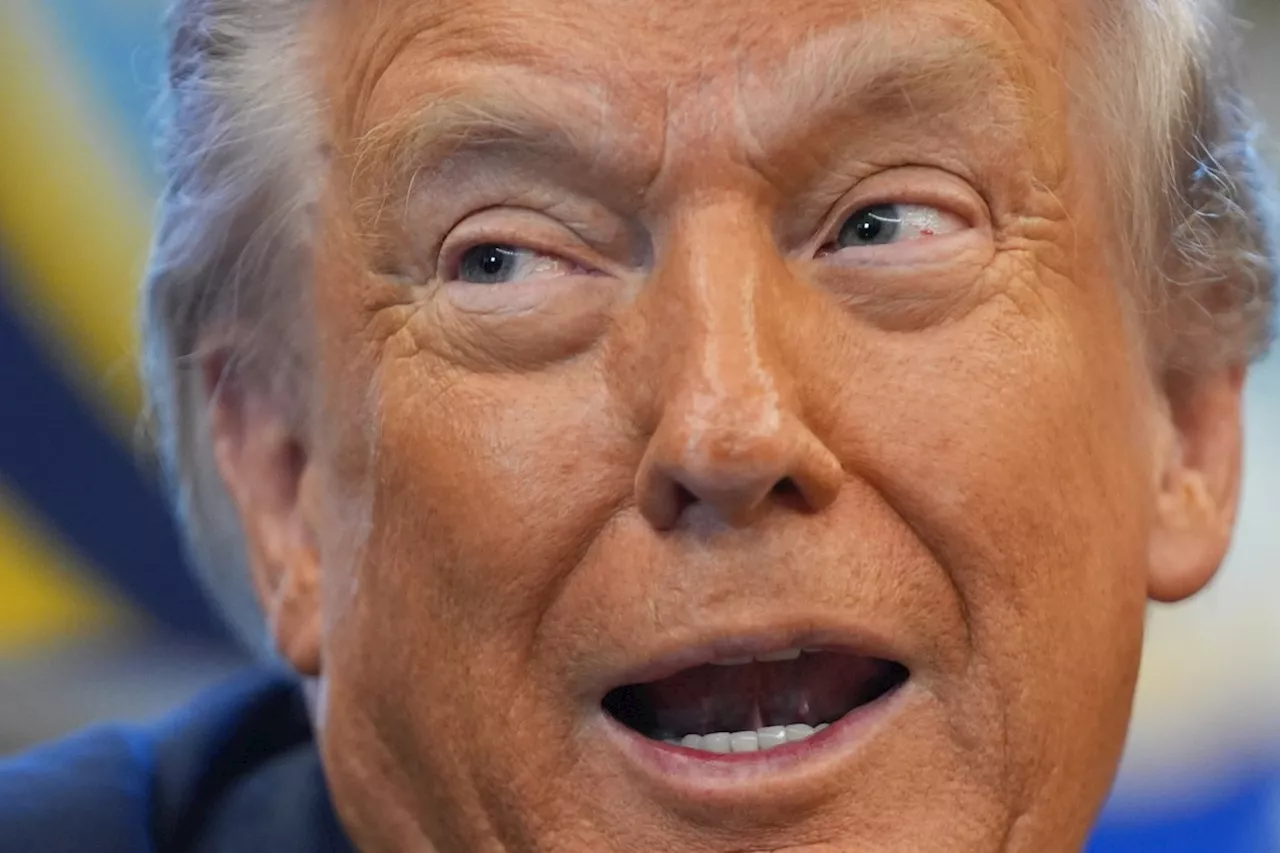
Former President Donald Trump‘s clemency decisions are increasingly under scrutiny as a growing number of individuals who received pardons or commutations now face new criminal charges. At least 13 individuals, granted clemency during Trump’s presidency, have been implicated in separate criminal offenses. This development raises significant questions regarding the vetting processes associated with presidential pardons and their implications for the justice system.
The clemency process, particularly during Trump’s administration, has sparked debates regarding accountability and the perception of equal justice. Notably, several of the individuals involved are connected to the January 6, 2021, Capitol attack, prompting discussions about the motivations behind the clemency decisions and the broader implications for law enforcement and societal norms.
Polling data indicates widespread disapproval among the American public concerning Trump’s recent pardons and commutations, with many viewing them as politically motivated. The Newsweek reached out to the White House for comments on this issue.
Details on Individuals Facing New Charges
The list of those facing new legal troubles is extensive and includes a range of serious offenses. Among them is Andrew Taake, who received a pardon after participating in the January 6 insurrection and was later arrested on charges related to online solicitation of a minor in Texas. Edward Kelley, previously convicted of conspiracy to murder FBI agents, had a judge rule that his pardon did not extend to new charges.
Additionally, Emily Hernandez, another participant in the January 6 events known for being photographed with then-House Speaker Nancy Pelosi’s broken nameplate, was sentenced to ten years in prison for a fatal DUI crash. Daniel Ball, accused of throwing an explosive device during the Capitol attack, faced illegal gun possession charges, which were dismissed following his pardon.
Other notable cases include David Daniel, who was indicted on charges of child pornography and sexual assault, and Shane Jason Woods, sentenced to 17 years for aggravated DUI and reckless homicide. Theodore Middendorf is currently serving a 19-year sentence for sexual assault, while Taylor Taranto was arrested for illegal gun possession and making a bomb threat. Furthermore, Brent John Holdridge and Zachary Alam have been implicated in burglary and home invasion charges, respectively.
Implications and Concerns
These cases highlight the complex legal and ethical considerations surrounding presidential clemency. The severity of the original crimes, the nature of the new charges, and the perceived motivations for granting clemency have become focal points for debate. Critics argue that the traditional vetting process may have been bypassed, raising concerns about the potential for clemency to serve political interests rather than justice.
The implications of these findings extend beyond individual cases. The increasing frequency of individuals facing new charges after receiving clemency raises serious questions about the thoroughness of the review process and the unintended consequences of such decisions. As public safety and the rule of law come into question, the scrutiny of these clemency cases is likely to intensify.
The evolving narrative surrounding these pardoned individuals adds another layer of complexity to the already polarized political climate in the United States. As lawmakers, legal experts, and the general public continue to examine the criteria used for granting clemency, the potential for future abuses of power remains a significant concern.
In summary, the scrutiny of Trump’s pardons serves as a reminder that the application of presidential power is subject to careful examination and accountability. The unfolding events will likely have lasting implications for the perception of fairness and justice within the American legal system.