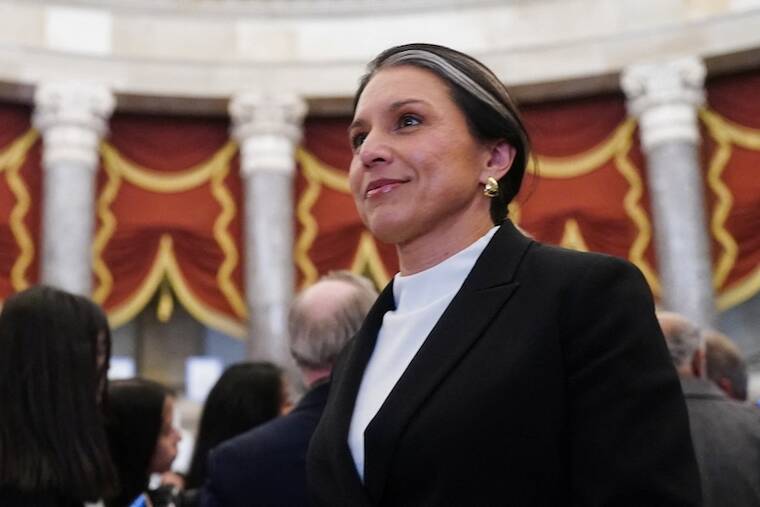
Tulsi Gabbard, the former U.S. representative from Hawaii and 2009 presidential candidate, has witnessed a dramatic transformation in her political stance, particularly regarding military intervention. Known for her staunch opposition to U.S. military actions abroad, particularly in the Middle East and against Iran, Gabbard has recently aligned herself with policies that starkly contrast her previous convictions.
Gabbard rose to prominence as a vocal critic of military adventurism, emphasizing the dangers of regime-change wars. In a notable statement from 2019, she condemned then-President Donald Trump’s aggressive posture towards Iran, proclaiming, “This president and his chicken-hawk Cabinet have led us to the brink of war with Iran.” She highlighted the potential devastation of such a conflict, warning that a war with Iran would be “far more devastating, far more costly than anything we ever saw in Iraq.”
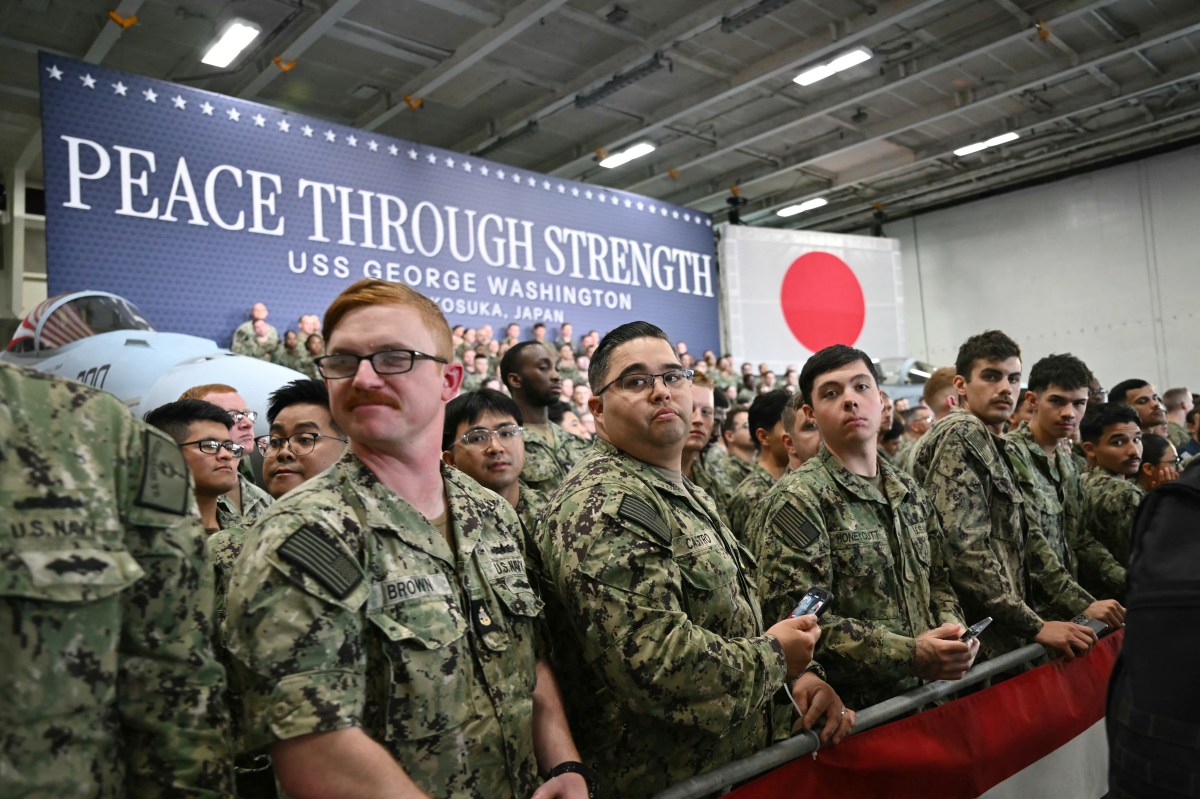
However, her recent role as director of national intelligence under Trump marks a significant shift. Gabbard has largely remained silent as the Trump administration, with Defense Secretary Pete Hegseth, has engaged in military actions against Iran. The situation escalated as Trump initiated bombings targeting Iranian nuclear sites, a move that Gabbard had previously cautioned against. Her initial call for restraint, which included questioning the validity of claims regarding Iran’s nuclear program, has seemingly faded into the background.
Gabbard’s political maneuvering has not gone unnoticed. Following her time of vocal criticism, she has made efforts to align herself with Trump’s administration. This included a controversial accusation against former President Barack Obama, claiming he committed treason by investigating Russian interference in the 2020 elections, which benefited Trump. Furthermore, she supported claims of election fraud, even participating in actions to seize ballots in Georgia.
As tensions escalated in the Middle East, Gabbard was notably excluded from planning efforts aimed at deposing Venezuelan leader Nicolas Maduro, a situation she had previously warned against, citing the underlying motivations related to oil. Despite her past warnings about military interventions, her current silence amid ongoing conflicts raises questions about her political integrity and priorities.
The ramifications of U.S. military actions in Iran are becoming increasingly severe. Trump’s justification for the strikes appears inconsistent, with claims shifting daily. The recent bombings, characterized by their brutality, have resulted in significant civilian casualties, including a missile strike on an Iranian elementary school that tragically killed at least 175 individuals, predominantly children.
This evolving narrative reflects a broader concern regarding the implications of military actions not only for Iran but for regional stability. As the infrastructure within Iran deteriorates and oil shipments are disrupted, the potential for long-term economic instability grows. The motivations behind these military actions remain opaque, raising critical questions about their efficacy and the future of U.S. foreign policy.
Gabbard’s recent actions and statements are seen by some as prioritizing her political ambitions over her earlier convictions. As the U.S. navigates complex international relations, the need for consistent and truthful discourse has never been more pressing. The public is left to ponder the consequences of such shifts in allegiance and the broader impact on global peace and security.