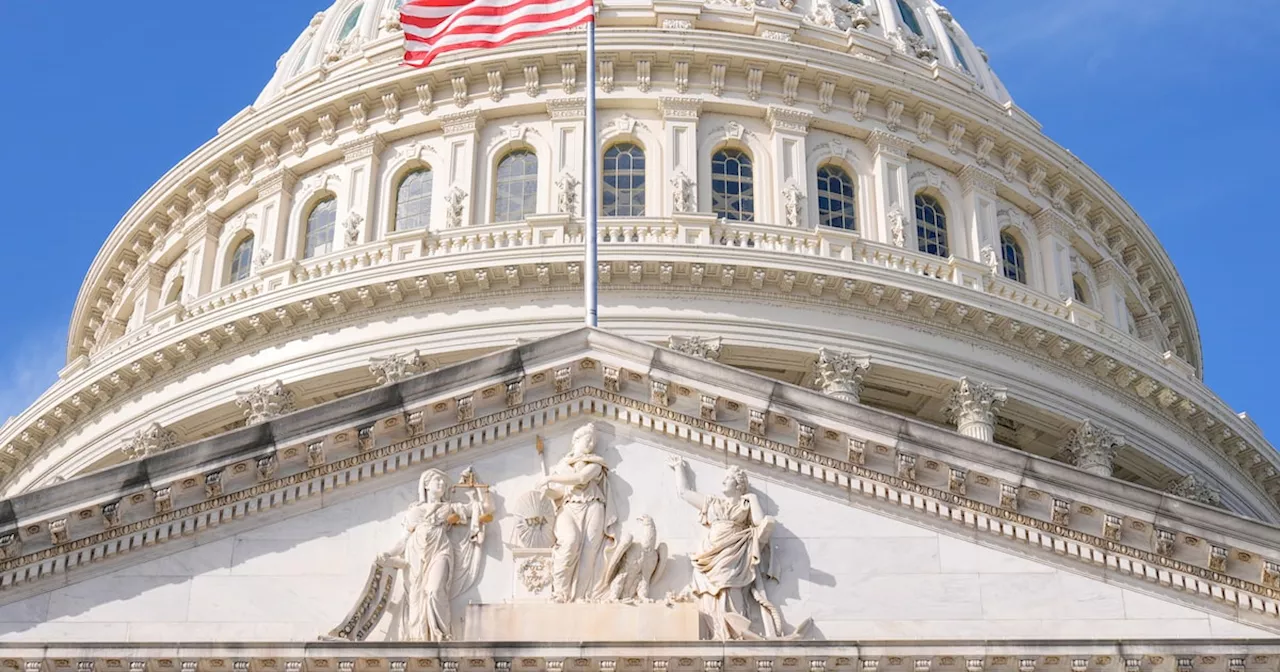
A potential government shutdown looms over the United States as Congress struggles to negotiate funding for various agencies, particularly those involved in immigration enforcement. If an agreement is not reached by 12:01 a.m. Eastern Time on Saturday, January 31, significant portions of the government could cease operations.
The impasse stems from the aggressive immigration policies championed by former President Donald Trump, which have led to a stalemate in budget discussions. Congress is tasked with allocating funds to 438 government agencies annually. Failing to finalize this funding means that agencies must halt all non-essential operations.
Current Funding Situation
Legislation has already been passed to fund numerous agencies through the current fiscal year ending on September 30, but without additional oversight provisions in place. The Senate requires 60 votes to advance any changes, and with 53 Republican seats, bipartisan support is essential. Democrats are urging Republicans to separate the spending bill to prevent disruption to critical services, but Republicans have so far resisted this approach.
Agencies at risk of losing funding include the Department of Homeland Security, the Department of Transportation, the Department of Housing and Urban Development, the Securities and Exchange Commission, the Treasury Department, and the federal court system. This also encompasses vital services such as the Coast Guard, Secret Service, and agencies focused on cybersecurity and disaster response.
With the House of Representatives currently out of session until February 2, any amendments made by the Senate would need to be approved by the Republican-controlled body, further complicating negotiations.
Impact of a Government Shutdown
The federal court system has indicated that it will struggle to maintain full operations after February 4, which could disrupt hearings and other judicial activities. Additionally, data releases from the Bureau of Labor Statistics might be delayed, leaving investors without critical economic insights, similar to disruptions seen during previous shutdowns.
While several agencies have received funding, including the Department of Justice, the FBI, and NASA, the shutdown would still impact numerous federal employees. Although hundreds of thousands are classified as “essential” and would continue their duties, many others could face furloughs.
The nonpartisan Congressional Budget Office has estimated that a government shutdown could cost the U.S. economy approximately $11 billion, affecting daily operations and services such as air travel and food assistance.
In summary, the urgency to reach a compromise is paramount as time runs out. Without a resolution, the consequences of a government shutdown will ripple through various sectors, affecting both government operations and the economy at large.