Gas prices in Massachusetts are on the rise following recent military actions involving the United States and Israel against Iran. As of Tuesday, the average price for a gallon of regular gas in the state reached $2.97, marking an increase of 6 cents from $2.91 just a day prior, according to data from AAA. Over the past week, prices have climbed from $2.89 per gallon.
In light of these developments, Mark Schieldrop from AAA Northeast commented, “Even before the escalation of conflict in the Middle East, gasoline prices were poised to begin climbing on seasonal expectations of increased demand and higher production costs.” He added that geopolitical tensions typically lead to rising oil prices, which in turn exert upward pressure on gasoline prices. The exact impact on the local market remains uncertain.
The national average price for gasoline also saw an increase, reaching $3.10 per gallon on Tuesday, up 11 cents from $2.99 the previous day. This figure is significantly higher than the $2.88 recorded a month ago.
Regional Price Variations Across Massachusetts
Notably, Suffolk County has the highest average gas price in eastern Massachusetts at $3.10 per gallon. Middlesex County follows closely with an average of $2.98, and Essex County averages $2.94. In contrast, Bristol County offers the lowest average price in the region at $2.76 per gallon. Prices in Plymouth County stand at $2.82, while Norfolk County averages $2.88.
Gasoline prices on the islands are considerably higher, with Nantucket averaging $4.11 per gallon and Martha’s Vineyard at $3.98. The Cape, however, remains relatively lower at $2.96 per gallon.
Impact of Geopolitical Tensions on Oil Prices
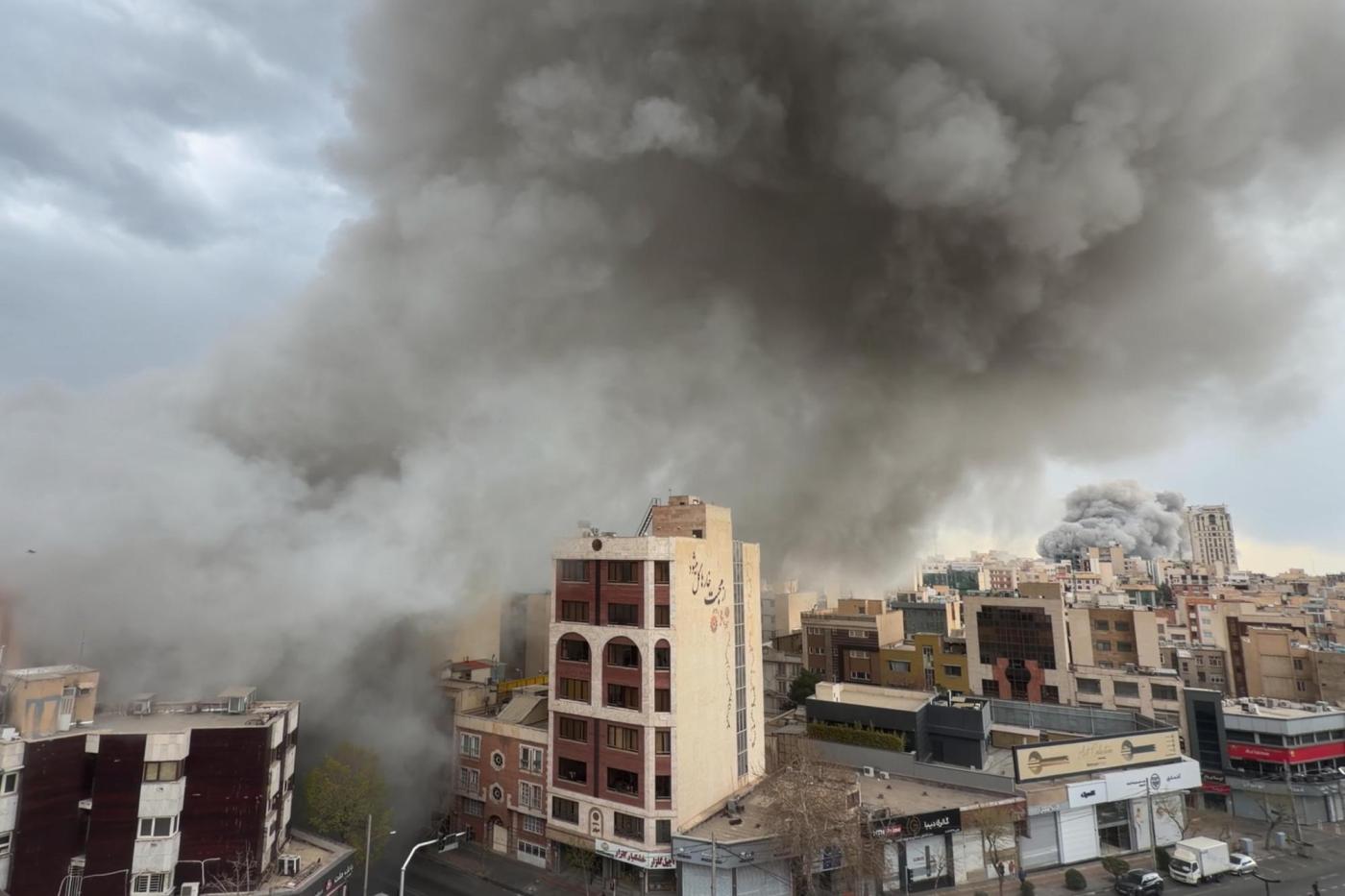
The recent military actions have contributed to a surge in oil prices, reaching levels not seen in over a year. Following the strikes, Iran responded with a series of retaliatory attacks, including a drone strike on the U.S. Embassy in Saudi Arabia. Additionally, Iran targeted energy facilities in both Qatar and Saudi Arabia, disrupting tanker traffic through the Strait of Hormuz, a critical route for approximately one-fifth of the world’s oil trade.
As oil prices rise, U.S. drivers can expect to feel the effects at the pump within a short timeframe, typically within a couple of weeks. The price of crude oil remains the most significant factor influencing fuel costs in the United States, and the current geopolitical landscape is likely to exacerbate these trends.
While the long-term implications of the conflict on local gas prices remain to be seen, the immediate effects are already becoming apparent as global oil markets react to the shifts in supply and demand dynamics.
This report incorporates information from Herald wire services and reflects ongoing developments in the energy market.