The U.S. Supreme Court has confirmed that the congressional district covering Staten Island and parts of Brooklyn, currently represented by Republican Nicole Malliotakis, will remain intact. This decision halted attempts by some Democratic leaders to redraw the district’s boundaries, a move the Court deemed unnecessary and politically motivated.
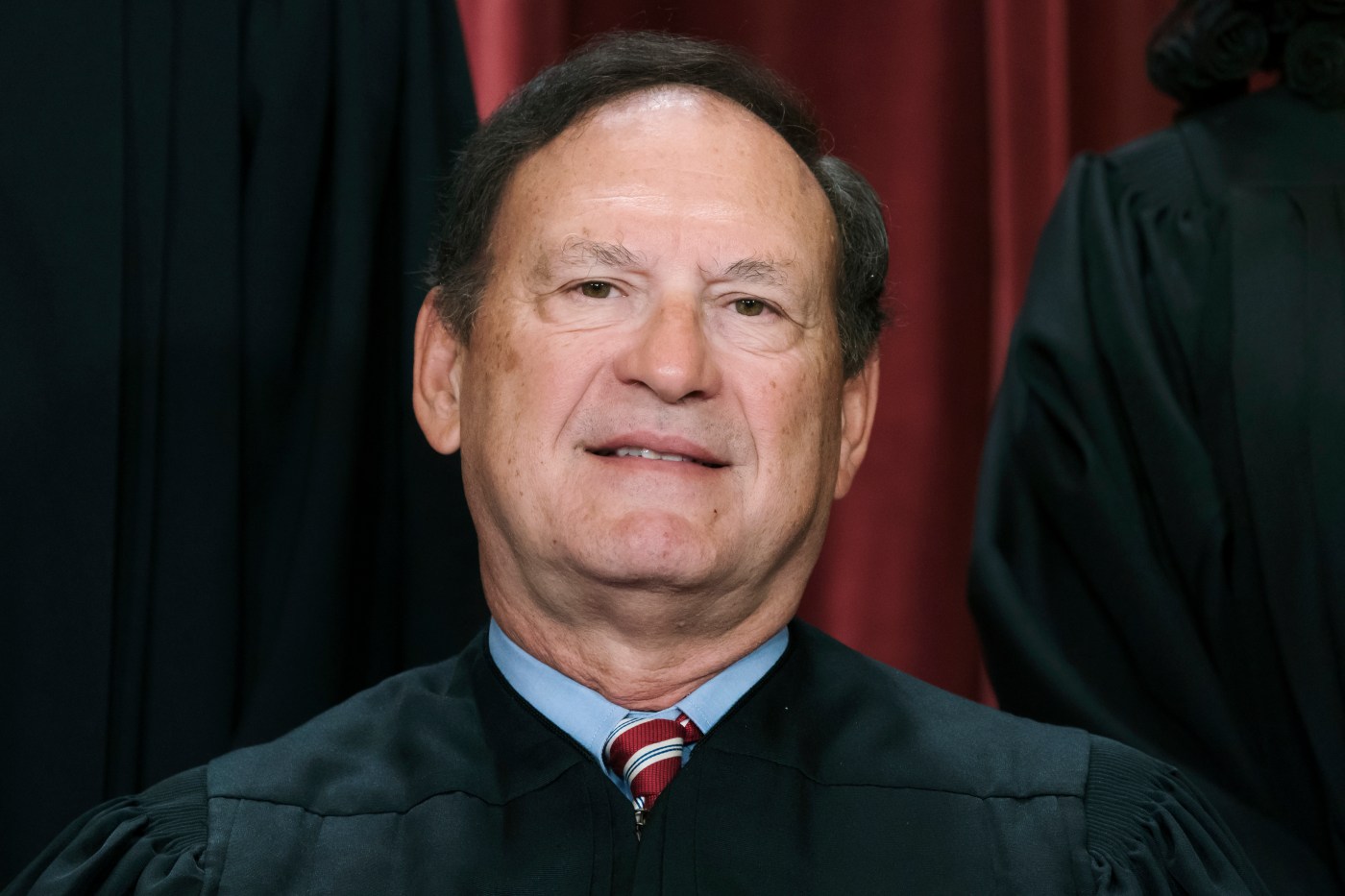
Justice Sam Alito articulated the Court’s reasoning, emphasizing that the legal challenge arose too late in the election cycle. The petitioning process for candidates had already begun on February 24, 2024, providing a tight timeline for any changes. Despite dissent from three other justices who argued for waiting until state court processes concluded, Alito maintained that the situation warranted immediate intervention.
The controversy began when Acting Manhattan Supreme Court Justice Jeffrey Pearlman ruled in favor of a Democratic lawsuit claiming that the current map, created by nonpartisan political scientist Jonathan Cervas of Carnegie Mellon University, discriminated against Black and Latino voters. This assertion was met with skepticism, as many argued the map does not favor any political party or incumbent.
The map was drawn in accordance with New York’s state Constitution, which prohibits partisan gerrymandering and mid-decade redistricting. However, Democrats sought to alter the map to enhance their electoral prospects, reflecting a broader trend observed in several states where political motivations have influenced redistricting efforts.
Justice Sonia Sotomayor and her colleagues, Elena Kagan and Ketanji Brown Jackson, expressed concern about the premature nature of the Supreme Court’s involvement, suggesting that the New York Court of Appeals should resolve the matter first. Nevertheless, the election timeline played a crucial role in the Supreme Court’s decision, as Alito underscored the urgency given the approaching elections.
New York’s redistricting process has become a focal point of political contention as the state grapples with balancing fair representation against partisan interests. The current map was finalized by the Democratic-controlled legislature and Governor Kathy Hochul in early 2024, with the legal challenge initiated only in October 2025. This delay was perceived as a tactical misstep by Democrats, complicating their efforts to influence the upcoming elections.
As the situation stands, the Supreme Court’s ruling affirms the legitimacy of the current congressional district map. While the Democrats may consider future legal strategies, including potential amendments to New York’s Constitution to facilitate mid-decade redistricting, the immediate focus remains on the implications of this decision for the upcoming election cycle.