Ukrainian officials are closely examining the implications of a recent U.S. military operation in Venezuela, which has raised questions about the United States’ commitment to addressing the ongoing conflict with Russia. On January 3, 2026, U.S. President Donald Trump ordered a raid that successfully targeted Venezuelan President Nicolás Maduro, leading to swift praise from military leaders for its execution. Ukrainian President Volodymyr Zelenskyy, observing from Kyiv, expressed his thoughts directly: “If you can do that with dictators, then the United States knows what to do next.”
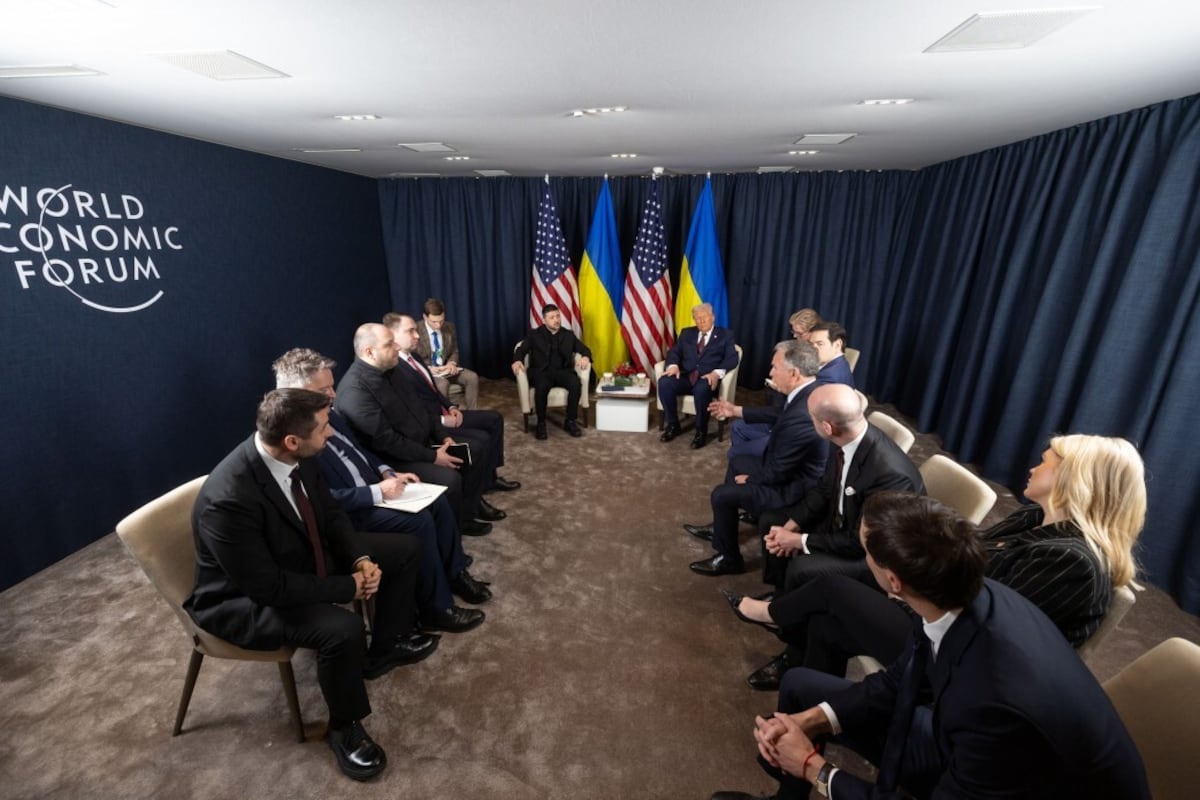
The operation in Venezuela, which took place before dawn, highlights a decisive use of military force that many in Ukraine hope could be replicated in the fight against Russian aggression. In a speech at the World Economic Forum in Davos shortly after the raid, Zelenskyy urged Western nations to act against the Kremlin, noting, “Maduro is on trial in New York. Sorry, but Putin is not.” This sentiment underscores the urgency felt in Ukraine as officials ponder the implications of U.S. actions abroad.
Retired U.S. Army Lt. Gen. Ben Hodges, who commanded U.S. Army Europe from 2014 to 2017, has long argued that the U.S. underestimates its leverage over Russia. He remarked, “President Trump has enormous leverage over Russia. He just has never used it.” His comments resonate as Ukraine grapples with its own security challenges amid ongoing military hostilities.
On January 3, Trump declared, “American dominance in the Western Hemisphere will never be questioned again,” emphasizing a strong U.S. stance in Venezuela. His administration’s approach has raised concerns in Kyiv about the potential for shifting U.S. foreign policy priorities, especially as peace negotiations evolve in the region.
The Kremlin appeared to anticipate U.S. actions, with reports indicating that Russian diplomats in Venezuela began evacuating their families days prior to the raid. Although the Russian Ministry of Foreign Affairs later denied claims of evacuations, this preemptive move suggests a level of awareness regarding U.S. intentions.
Domestically, Trump’s actions have sparked debate, even among members of his party. Senator Rand Paul criticized the military operation, stating, “Bombing another nation’s capital and ousting their leader constitutes an act of war, plain and simple.” Despite this pushback, Trump’s administration has continued to assert control over Venezuela’s energy resources, claiming that U.S. interests will dictate the regime’s actions.
Ukrainian leaders are now reflecting on the broader implications of U.S. military engagement. Analysts at Chatham House have expressed concerns that allies may feel less secure in their relationships with the U.S. due to Trump’s apparent willingness to wield military power without broad international consensus. Similarly, experts at the Brookings Institution warned that Ukrainians may recognize their own vulnerability in the face of shifting U.S. priorities.
French President Emmanuel Macron echoed these fears, suggesting that the U.S. is “breaking free from international rules” and is increasingly turning away from its allies. In response, Macron convened a meeting in Paris to address the complexities of peace negotiations involving ceasefire support and long-term defense cooperation.
The absence of key U.S. diplomatic figures from this meeting, such as Secretary of State Marc Rubio, only heightened suspicions in Kyiv. Ukrainian officials perceive this as a diminishing focus on their situation, leading to a growing sense of distrust. A recent poll by the Kyiv International Institute of Sociology revealed that only 21% of Ukrainians expressed trust in the U.S., a notable decline from 41% the previous year.
As tensions continue, Zelenskyy has challenged the U.S. to direct its military capabilities toward tackling figures like Ramzan Kadyrov, the Chechen leader accused of war crimes. Zelenskyy stated, “If Trump could topple a dictator in 90 minutes, when would that firepower point east?” This call for action reflects the urgency and desperation felt in Ukraine as the conflict drags on.
The evolving dynamics of U.S. foreign policy present a complex landscape for Ukraine, prompting leaders to reassess their expectations of American support. The potential for U.S. military action in other regions raises critical questions about the future of Ukraine’s security and its relationship with its largest ally. As Ukrainian officials observe the developments in Venezuela, they remain vigilant about the broader implications for their own defense and sovereignty.