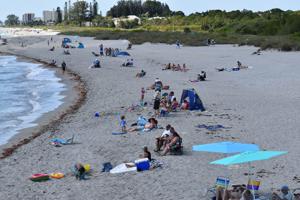
Walton County, Florida, is requesting a federal appeals court to reevaluate a ruling that could result in financial compensation for beachfront property owners. This situation arose after these owners were restricted from accessing privately owned sections of the beach during the early months of the COVID-19 pandemic.
In April 2020, as the pandemic prompted widespread public health measures, Walton County implemented restrictions intended to curb the spread of the virus. These measures included limiting access to certain beach areas, which affected local property owners who typically used these spaces for personal or rental purposes.
The federal appeals court’s previous decision recognized the property owners’ claims, suggesting they deserve compensation for the loss of use of their beachfront property. This ruling has sparked significant debate, prompting Walton County officials to seek a second look at the case. County officials argue that the restrictions were necessary for public health and safety during a national emergency.
Walton County has emphasized the importance of balancing public health concerns with the rights of private property owners. The county’s legal team contends that the measures were temporary and aimed at protecting the community during a critical time. They maintain that the beach access restrictions were not intended to unfairly disadvantage property owners but were part of a broader strategy to manage the pandemic’s impact.
The appeal raises questions about the legal obligations of local governments during public health crises. The outcome may set a precedent for similar cases across the country, as other jurisdictions grapple with the implications of enforcing health guidelines that restrict access to private property.
Beachfront property owners have voiced their concerns regarding the economic impact of the restrictions. Many rely on rental income from vacationers attracted to Florida’s coastal areas. The inability to utilize their property during peak tourist season has resulted in significant financial losses, prompting them to pursue legal avenues for compensation.
The case highlights the ongoing tension between individual rights and collective safety, particularly in the wake of unprecedented public health challenges. As Walton County awaits the appeals court’s decision, the ramifications of this case could resonate beyond its borders, influencing how other local governments navigate similar situations in the future.
This appeal is not just a matter of local interest; it reflects a broader national conversation about property rights, public health, and the responsibilities of government during emergencies. The decision from the federal appeals court is anticipated to clarify the legal landscape for property owners and municipalities alike as they prepare for potential future crises.