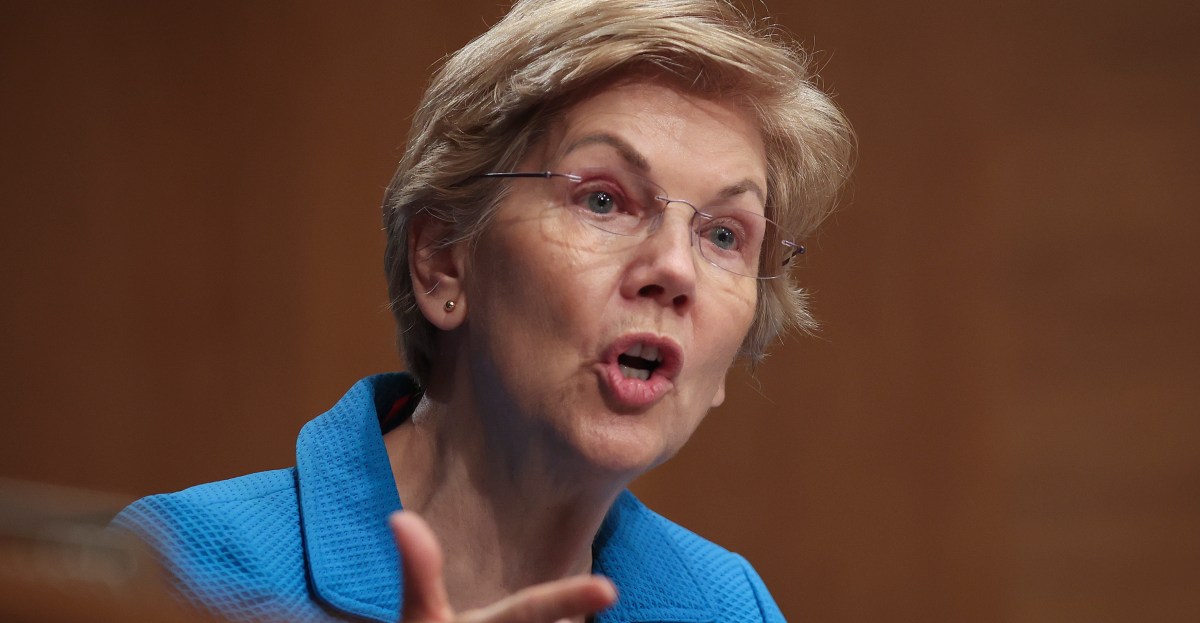
Senator Elizabeth Warren has called for the Democratic Party to reduce its reliance on technology sector influence and adopt more populist policies, especially following the party’s defeat in the 2024 elections. Speaking at the National Press Club in Washington, DC, on March 25, 2024, Warren articulated a vision for the party’s future amid ongoing identity challenges.
Warren’s address highlighted a crucial debate within the party regarding strategies for the upcoming 2026 midterms. She emphasized the need for policies aimed at making life more affordable for working-class individuals, even if such measures are unpopular with wealthy donors. “We cannot win unless we rebuild trust,” Warren stated, urging her colleagues to prioritize the interests of everyday Americans over those of affluent supporters.
In her remarks, Warren criticized prominent tech donor Reid Hoffman, co-founder of LinkedIn, as an example of the type of donor the party should disregard when their interests conflict with those of the working class. She referenced Hoffman’s suggestion to then-presidential candidate Kamala Harris that she replace Lina Khan as chair of the Federal Trade Commission should she win the election. Khan, known for her progressive stance during the Biden administration, advocated for policies aimed at increasing consumer rights and corporate accountability.
Warren acknowledged the pressure for the party to appease wealthy donors, particularly during challenging political times. “I understand the temptation – in this moment of national crisis – to sand down our edges,” she remarked. “But we can’t rebuild trust by excommunicating Biden administration law enforcers who, for the first time in decades, actually fought to hold corporations accountable for driving up prices.”
The senator’s comments resonate with a growing faction within the Democratic Party that believes a shift towards more populist policies is essential for regaining voter confidence. Warren warned against seeking the approval of billionaire figures like Elon Musk, suggesting that catering to corporate interests undermines the party’s commitment to its base.
As the Democratic Party navigates its future direction, Warren’s speech serves as a rallying call for a return to core values that prioritize the needs of working families over the demands of wealthy benefactors. The effectiveness of this approach will be tested in the lead-up to the 2026 midterm elections, where the party aims to regain ground lost in recent years.