As 2025 nears its end, the data reveals a year characterized by significant technological advancements, economic challenges, and evolving social behaviors in the United States. The rise of artificial intelligence (AI) stands out as a particularly notable trend. Since the launch of ChatGPT in 2022, awareness of AI has surged. Initially, only one in four Americans had substantial knowledge of AI; today, that figure exceeds half the population, with those unaware of AI dropping to low single digits.
The adoption of AI highlights a stark divide among different demographics. More than half of Americans with a college degree now engage with AI daily, a trend mirrored by Asian Americans and individuals aged 18 to 49. In contrast, usage among Americans over 65 and those with only a high school education remains notably low, with many reporting minimal engagement with the technology.
Economic Concerns Surface
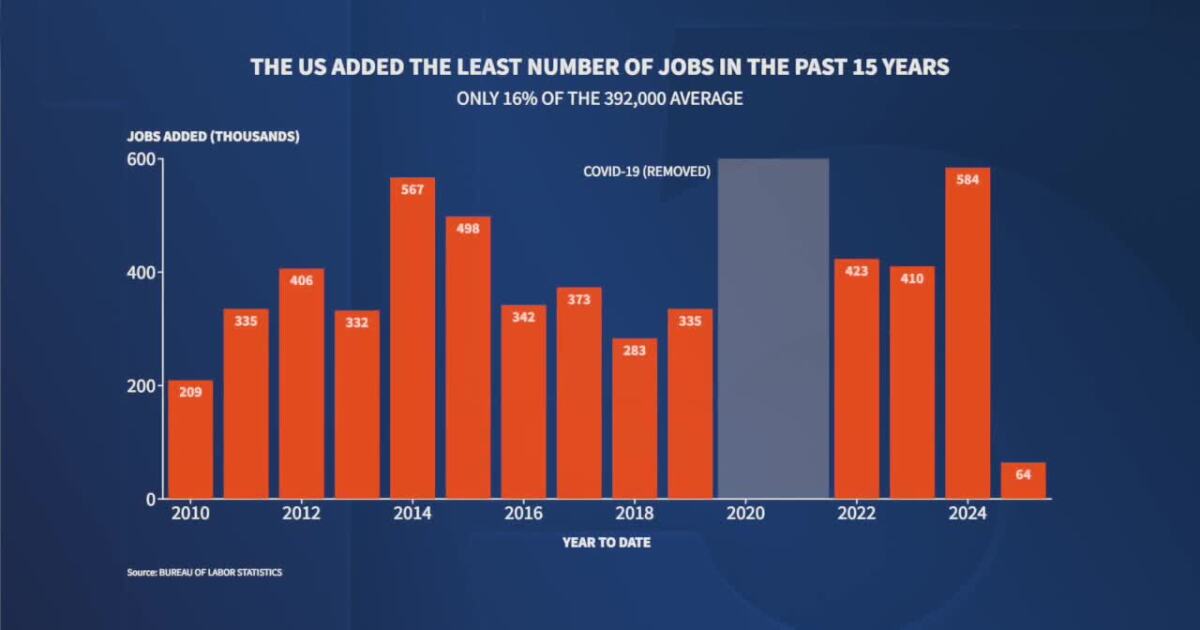
The economic landscape of 2025 presents a more concerning narrative. Job creation, a critical indicator of economic vitality, has slowed significantly. The United States has added only 64,000 jobs so far this year, a stark contrast to the 15-year average of 392,000 jobs. This stagnation raises alarms about the overall health of the job market and the potential implications for economic stability.
Compounding these economic uncertainties, social behaviors are shifting. A growing number of Americans are reassessing their consumption habits. Currently, only 54% of American adults report drinking alcohol, a decrease from 67% in 2022. Additionally, public sentiment regarding legal sports betting has also changed; 43% now view it as detrimental to society, reflecting a nine-point increase since 2022. Marijuana use is on the decline as well, with 69% of Americans indicating they rarely or never use it, up from 64% in the previous year.
Encouraging Local Health Developments
In the Valley, there is more positive news regarding public health. Officials have reported 333 heat-related deaths in 2025, with an additional 152 cases still under investigation. This is a significant improvement from last year, which accounted for 608 confirmed heat deaths. Even if every ongoing investigation leads to a heat-related conclusion, the total would still reflect a 17% decrease in fatalities due to heat.
These developments underscore the complex landscape of 2025, where technological innovation coexists with economic uncertainty and evolving societal norms. As the year concludes, the data serves as a critical lens through which the shifts in American life can be understood.
“This story was reported on-air by a journalist and has been converted to this platform with the assistance of AI. Our editorial team verifies all reporting on all platforms for fairness and accuracy.”