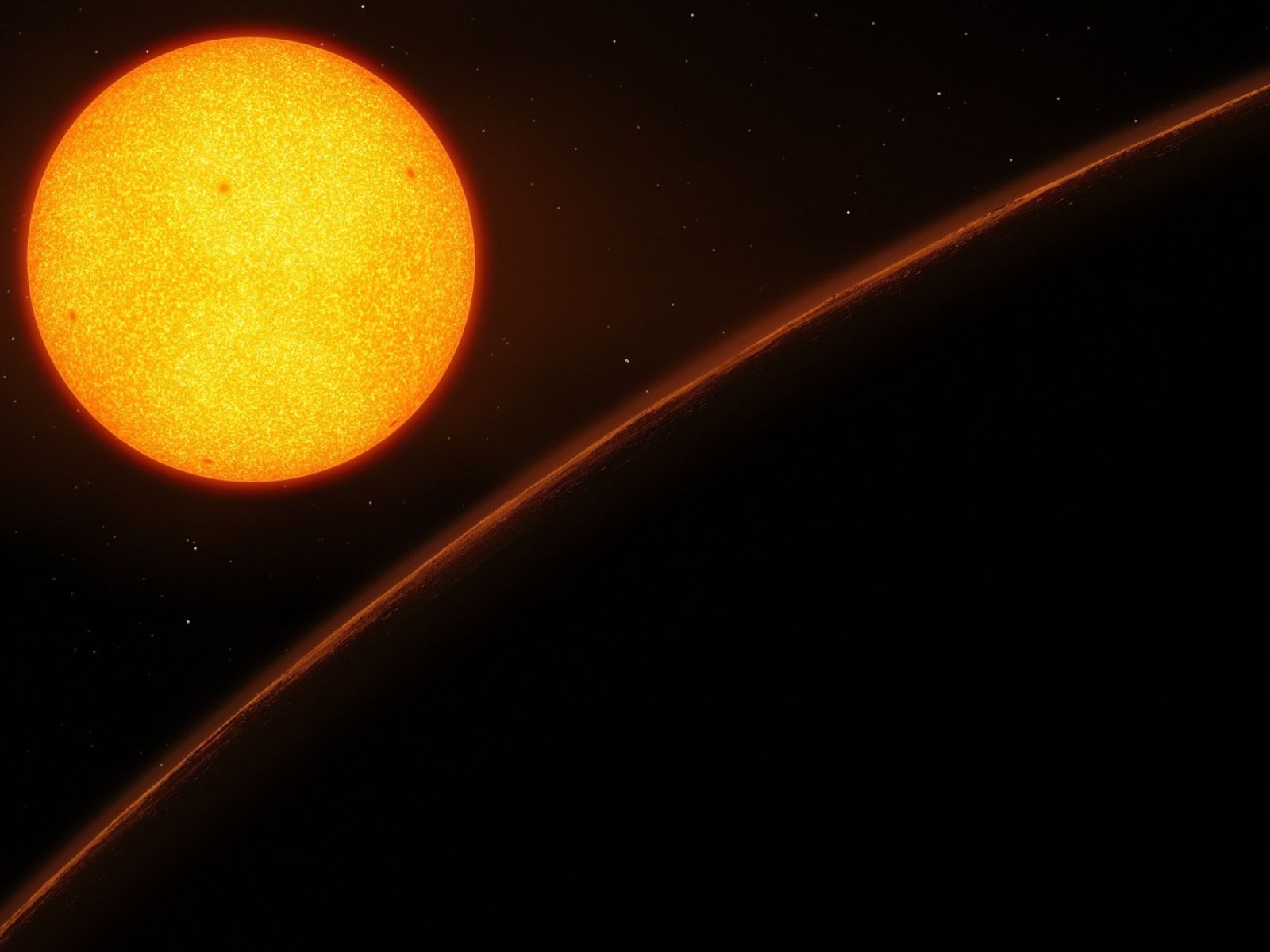
A team of astronomers has identified a new exoplanet residing in the habitable zone of its star, significantly enhancing our understanding of potential life-supporting worlds beyond our Solar System. This breakthrough was announced in October 2023, following extensive observations and analysis.
The exoplanet, which is yet to be named, orbits a star similar to our Sun and lies within the region where conditions might be right for liquid water to exist. This characteristic places it in the so-called habitable zone, a critical factor for the possibility of life as we know it. The discovery was made using advanced data from a prominent space telescope, which has been instrumental in exoplanet research.
Significance of the Discovery
The importance of this discovery extends beyond mere astronomy. According to the International Astronomical Union, the study of exoplanets located in the habitable zone helps refine our search for extraterrestrial life. Astronomers emphasize that identifying planets with Earth-like conditions could eventually lead to the detection of biosignatures—indicators of life.
This finding underscores the growing number of known exoplanets that could potentially support life. As of now, scientists have cataloged thousands of such planets, many of which exist in habitable zones around their stars. The newfound exoplanet adds to this expanding list, sparking excitement among researchers and space enthusiasts alike.
Future Exploration and Research
With this discovery, astronomers plan to conduct further research to determine the planet’s composition and atmosphere. Understanding these factors is vital for assessing its potential habitability. Advanced telescopes and space missions are likely to play a crucial role in this future exploration.
The research team is optimistic about what lies ahead. “This exoplanet may be key to unlocking mysteries about the potential for life beyond Earth,” said a leading astronomer involved in the study. They highlighted the importance of continued funding and support for astronomical research to explore these distant worlds.
As technology advances and our methods of observation improve, the search for life beyond our planet is becoming increasingly feasible. This latest discovery not only adds depth to our understanding of the universe but also fuels curiosity and hope for future explorations. The ongoing efforts in astronomy continue to inspire both scientific inquiry and public interest in the mysteries of space.