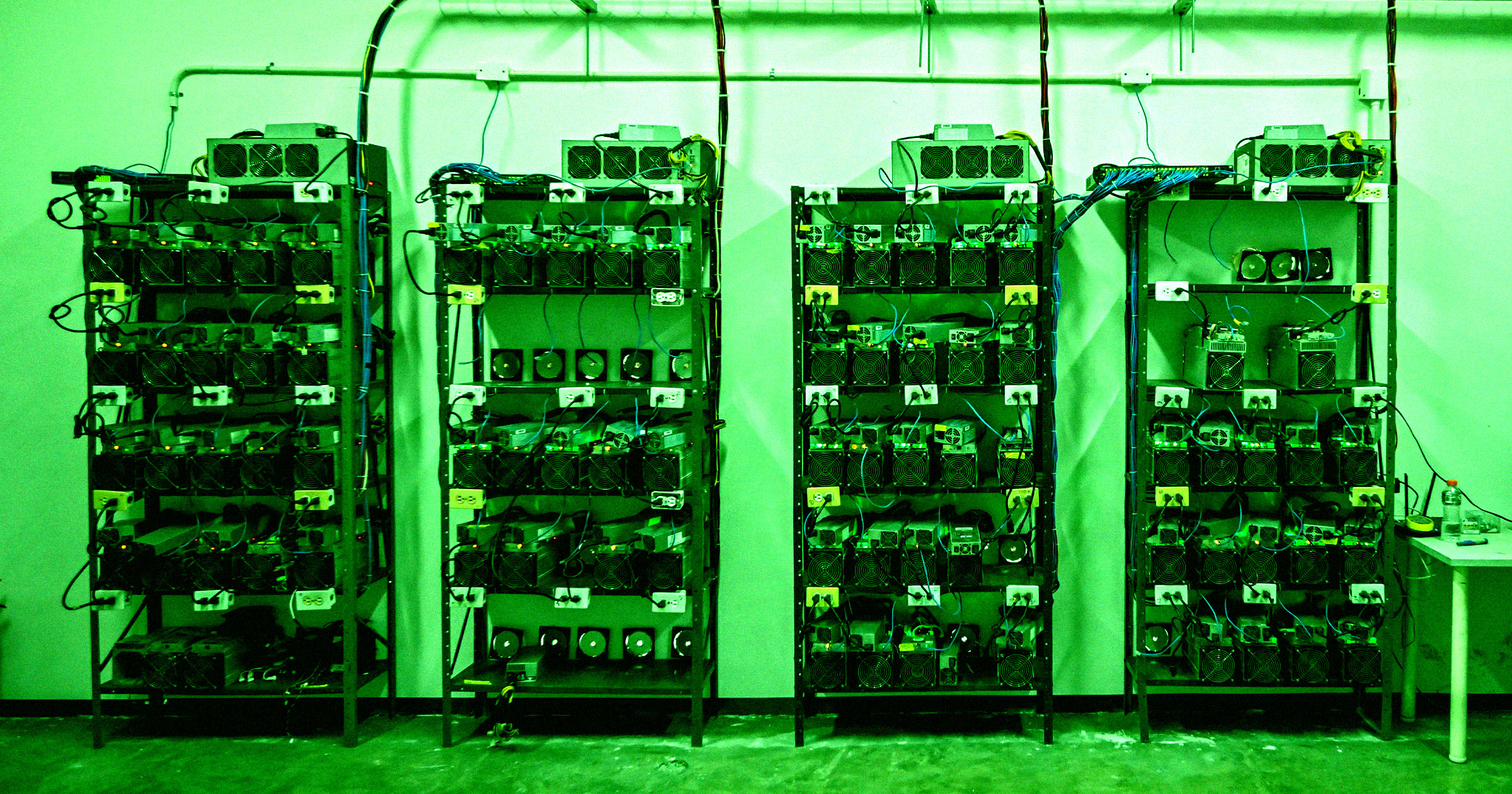
Local authorities in Malaysia are actively pursuing approximately 14,000 illegal Bitcoin mining operations that have allegedly stolen around $1.1 billion in electricity over the past five years. This unprecedented situation underscores the increasing challenges posed by cryptocurrency mining, particularly when operations are conducted without paying for power.
Law enforcement has adopted innovative methods to combat this issue, employing drones and handheld sensors to detect irregular power usage. This unconventional approach highlights the lucrative nature of Bitcoin mining, especially when the electricity costs are borne by others. The surge in Bitcoin prices, which reached a record high of over $126,000 in October 2023, has driven many individuals to engage in illegal activities to capitalize on the potential profits.
The impact of these illegal operations extends beyond financial losses for the state-owned energy company, Tenaga Nasional. The deputy minister of energy transition and water transformation, Akmal Nasir, emphasized that these activities pose a risk to the integrity of Malaysia’s power grid. He stated, “The risk of allowing such activities to happen is no longer about stealing. You can actually even break our facilities. It becomes a challenge to our system.”
The situation in Malaysia mirrors global trends, where illegal Bitcoin mining has sparked significant power crises. For instance, rolling power outages in Iran last year ignited a heated debate over the implications of unregulated mining. Similarly, Kuwait implemented crackdowns on crypto mining earlier this year in response to a severe power crisis that resulted in widespread blackouts.
Bitcoin mining operations consume vast amounts of electricity, outpacing the annual energy consumption of entire countries. According to a report by the University of Cambridge, the United States accounts for over 75 percent of global Bitcoin mining activities. This rampant energy use is particularly concerning as other cryptocurrencies, such as Ethereum, have adopted alternative methods that significantly reduce electricity consumption.
In Malaysia, abandoned malls and industrial sites have been repurposed into mining centers by those looking to evade legal requirements. While legitimate miners must pay for their electricity and taxes, many illegal operators find the potential rewards of stealing power outweigh the risks of being apprehended. “Even if you run it properly, the challenge is that the market itself is very volatile,” Nasir noted, pointing out that few well-run mining operations can be deemed successful in a legal context.
Akmal Nasir further characterized these illegal mining operations as being run “by the syndicate,” suggesting a level of organized crime behind the activities. He acknowledged that these operations exhibit a clear modus operandi, complicating efforts to dismantle them.
The Malaysian government’s ongoing efforts to curb this problem reflect a broader global concern over cryptocurrency mining’s environmental and infrastructural impacts. As authorities continue to track down illegal operations, the future of Bitcoin mining in Malaysia hangs in the balance, raising questions about the sustainability of this lucrative endeavor.