Deep Fission, an emerging player in nuclear technology, has unveiled an innovative concept that aims to enhance the safety of nuclear power generation by placing pressurized water reactors (PWRs) deep underground. Their proposed design, known as the Deep Fission Borehole Reactor 1 (DFBR-1), is currently undergoing pre-application review by the Nuclear Regulatory Commission (NRC).
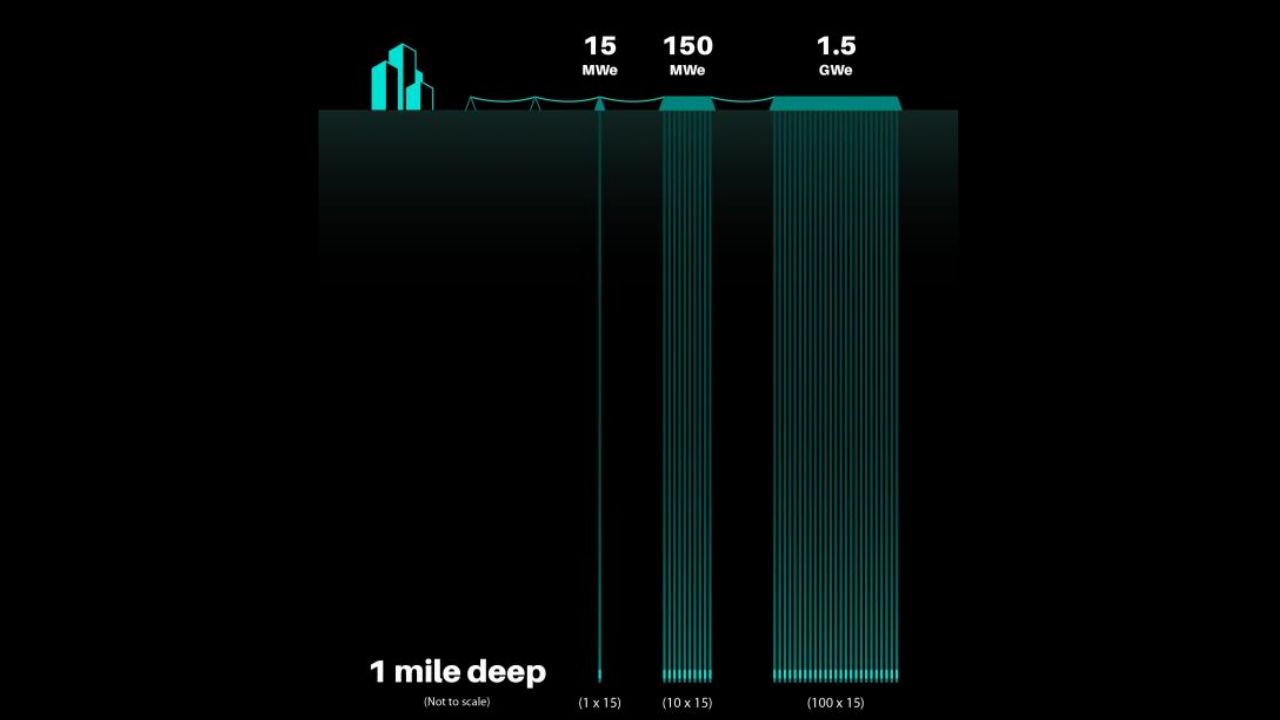
The DFBR-1 is designed to be installed in a borehole measuring approximately 1 mile (1.6 km) deep, with each borehole housing a single 45 megawatt thermal (MWt) microreactor. This approach intends to leverage the existing pressure at such depths, which is said to match that found within conventional PWRs. Furthermore, the water column between the reactor and the surface is posited to bolster safety, potentially eliminating the need for traditional concrete containment structures and other safety features typically associated with PWRs.
Innovative Design and Functionality
The proposed reactor features a steam generator located at the bottom of the borehole. This setup requires transporting steam to the surface, where it is projected to generate around 15 megawatts electrical (MWe) via a steam turbine. In addition to the steam transport, the design includes sampling tubes that extend down to the primary loop, as well as ropes for extracting and replacing standard low-enriched uranium (LEU) fuel rods.
Deep Fission’s approach represents a significant departure from conventional nuclear reactor designs, prompting questions about its viability and potential impact on the industry. The firm aims to have its first DFBR-1 reactor operational by 2026, marking a notable milestone in the evolving landscape of nuclear energy.
Competitive Landscape and Future Prospects
Deep Fission is not the only company pursuing advanced nuclear technologies. Competing projects, such as TerraPower’s Natrium, are already under construction and promise greater power output per reactor. Natrium’s design also includes built-in grid-level storage, enhancing its appeal for energy resilience.
Despite the competition, Deep Fission’s underground reactor concept has generated interest within the U.S. Department of Energy’s (DoE) advanced reactor program, indicating a shift toward more innovative solutions in the commercial power sector. As the industry continues to evolve, the introduction of concepts like the DFBR-1 could signal a new era in nuclear energy, moving away from traditional methods that have long characterized the field.
With the commercial power sector in the U.S. becoming increasingly dynamic, the full implications of Deep Fission’s innovation remain to be seen. The success or failure of the DFBR-1 could have profound effects on the future of nuclear energy and its role in addressing global energy needs while ensuring safety and sustainability.