Trivanni Yadav, a doctoral candidate in physics at The University of Tulsa, is making strides in battery research while benefiting from a supportive academic community. After completing her master’s degree at Central Michigan University, Yadav sought a program that would allow her to explore diverse research opportunities. Her search led her to UTulsa, where she received a graduate assistantship along with additional funding to support her studies. Now, as a doctoral student, she is not only engaged in advanced research but also actively contributing to her academic community.
Research Focus and Academic Achievements
Yadav’s research primarily investigates safer and more efficient battery technologies. Traditional lithium-ion batteries, known for their flammability and tendency to degrade, have significant limitations in terms of safety and charging capabilities. She is exploring Lithium Lanthanum Zirconium Oxide (LLZO), a solid electrolyte that is non-flammable and exhibits high stability under extreme conditions. This innovative approach could lead to improvements in battery performance across various applications.
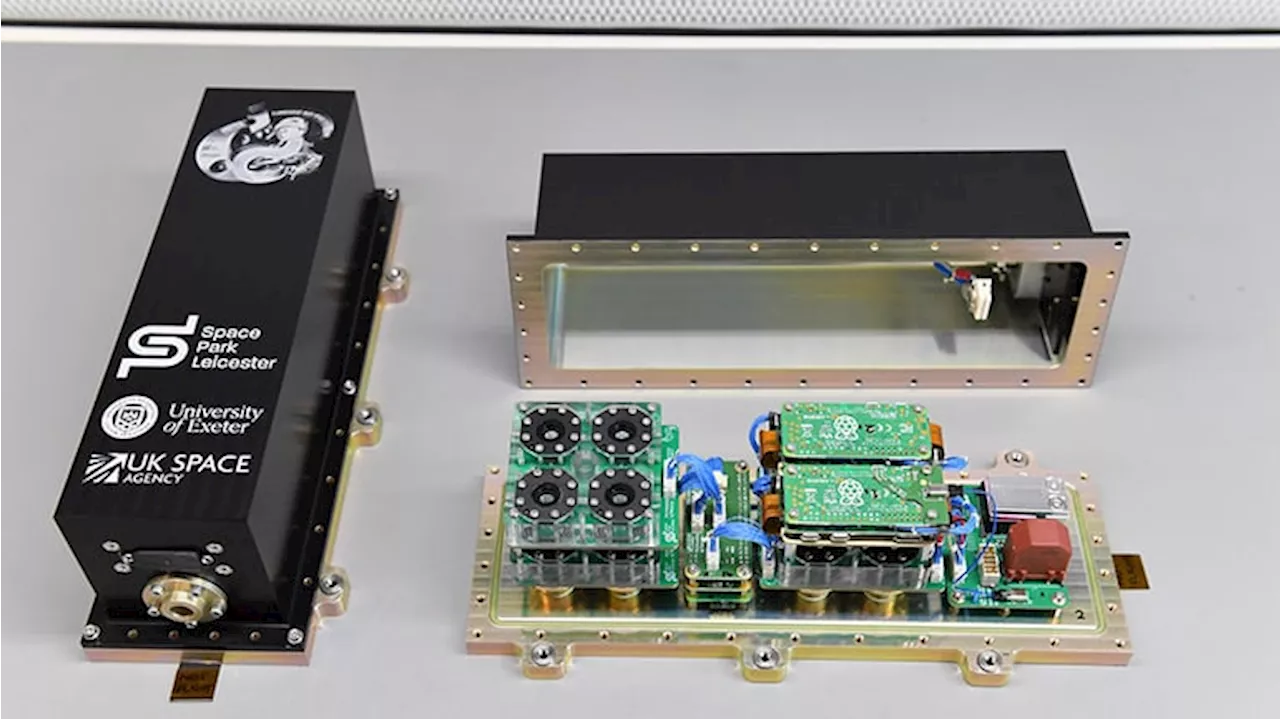
“Using first-principles quantum simulations, I investigate how atomic-scale defects within LLZO influence the movement of lithium ions,” Yadav explained. “Essentially, I aim to understand how certain defects can act as ‘express lanes’ that enhance ion mobility, an essential factor in improving battery performance.” This research has broader implications, particularly for space exploration, where radiation can impact battery functionality.
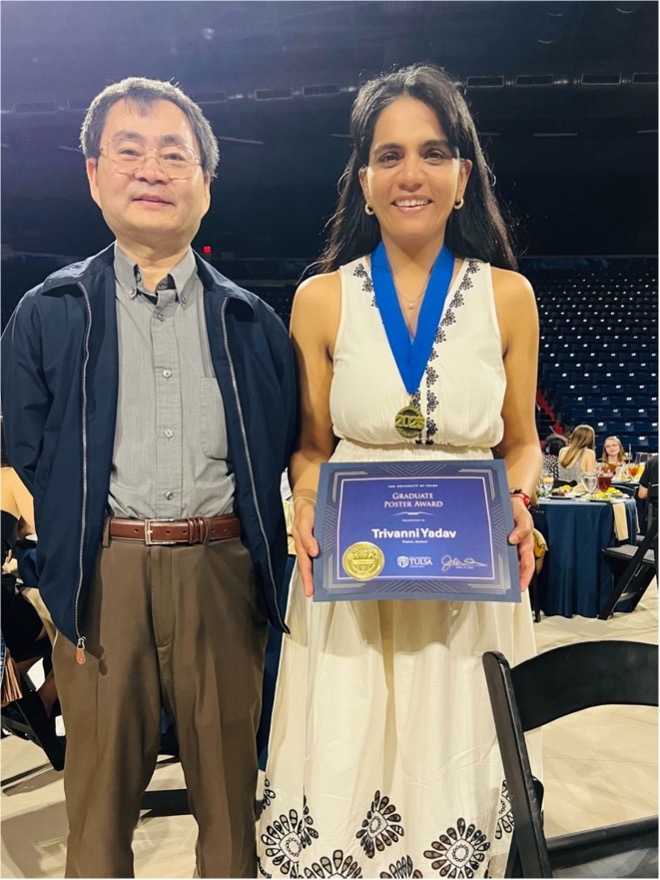
Yadav’s commitment to her field is evident through her accomplishments. She has published two peer-reviewed papers in prominent journals and is finalizing another manuscript for submission. Her research has garnered recognition, including the Distinguished Graduate Research Poster Award, where she was the sole recipient among 70 participants across various disciplines at UTulsa.
Community Engagement and Mentorship
As an international student from Delhi, India, Yadav has found a strong support network in Tulsa. She currently serves as the president of the Physics Graduate Student Association and represents UTulsa as one of the 118 American Physical Society (APS) Student Ambassadors. In February 2026, she is scheduled to attend the APS Annual Leadership Meeting at Capitol Hill in Washington, D.C. This prestigious invite-only event will feature leaders from the physics community.
Yadav credits her success to the mentorship of Sanwu Wang, Ph.D., the Ruth and William Kistler Jr. Endowed Chair in Physics & Engineering Physics, who has been instrumental in her academic and personal development. She also expresses gratitude towards Scott Holmstrom, Ph.D., dean of the Graduate School, for his encouragement and guidance throughout her journey.
In addition to her research, Yadav enjoys teaching. She has taught General Physics I and has developed online supplemental learning materials that have reached over 300 undergraduate students. “The entire Physics Department feels like a second family to me,” she noted. “They are always supportive, encouraging, and ready to help whenever needed.”
For those inspired by her journey, Yadav emphasizes the importance of perseverance and communication in research. “You have to show up and be vocal about your work, because doing a doctorate isn’t just about research and papers, it’s also about learning to communicate your science,” she said. “The journey can feel intimidating at first, but don’t let that stop you. Remind yourself that you’re not here by accident. You’ve earned your place. Stay strong and have faith in yourself.”