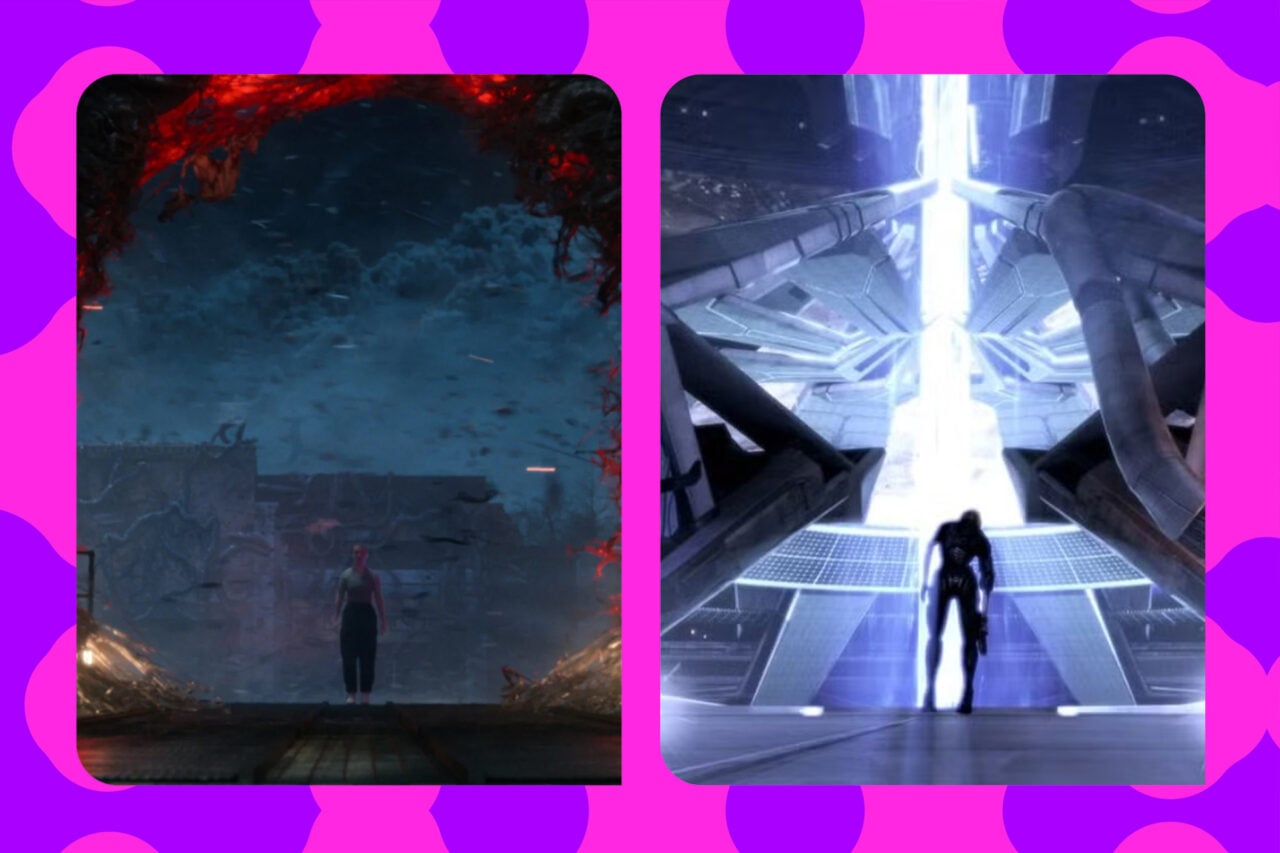
The recent finale of Netflix’s popular series, Stranger Things, has sparked heated debates among its fanbase, drawing unexpected parallels to the controversial ending of the video game Mass Effect 3. The series, which concluded its fifth and final season, left many viewers dissatisfied, leading to a surge of speculation about a possible “true ending” episode.
As fans engaged with the aftermath of the finale, theories began to emerge, fueled by discussions around the show’s narrative choices. While Stranger Things finished its run on New Year’s Day 2024, the conversation surrounding its conclusion has continued to evolve. Some fans, referring to the phenomenon as “Conformity Gate” and “Documentary Theory,” suggest that clues hidden within the series may point to an additional episode, possibly titled “One Last Adventure.” The anticipation for this hypothetical conclusion has led to a broader examination of how fan communities react to unsatisfactory endings.
Comparisons to Mass Effect’s Controversial Conclusion
The situation mirrors the backlash faced by Bioware when Mass Effect 3 was released in March 2012. The game concluded with an ending that many players deemed unsatisfactory, leading to a significant online outcry. Fans quickly began to speculate about alternative interpretations of the narrative, coalescing around the Indoctrination Theory. This theory suggested that the game’s protagonist, Commander Shepard, had been manipulated by an alien force known as the Reapers, which would explain the perceived flaws in the story’s resolution.
In the wake of Mass Effect 3‘s release, the backlash prompted Bioware to announce the “Extended Cut” three months later, which provided additional content to clarify the story’s conclusion. This response marked a significant moment in gaming history, demonstrating how fan pressure can influence a creator’s decisions. The Extended Cut, a free update, aimed to address some of the criticisms and restore faith in the franchise, illustrating a willingness to engage with the community.
The Evolution of Fan Expectations
The fervor surrounding Stranger Things raises questions about the evolving nature of fan expectations in the digital age. The series has, over the years, conditioned its audience to search for hidden meanings and clues throughout its narrative. This behavior is not unique to Stranger Things; similar patterns have occurred with other shows, such as the BBC’s Sherlock, which concluded in 2017 under similarly contentious circumstances.
In both cases, fans found themselves grappling with endings that felt rushed or incomplete. The Justice League film, released in 2017, faced a different kind of backlash, leading to the eventual release of the “Snyder Cut.” This alternate version came to fruition not only because of fandom theorization but also due to director Zack Snyder‘s insistence on the existence of his original vision.
The Snyder Cut became a pivotal example of how dedicated fan movements can lead to substantial changes in the entertainment landscape, further blurring the lines between creator intent and audience expectation.
As fans of Stranger Things continue to engage with the show’s conclusion, the legacy of Mass Effect‘s ending debate lingers. The shift in how creators respond to fan discontent could shape future projects, as the line between narrative closure and community engagement becomes increasingly intertwined.
Whether the discussions surrounding Stranger Things will culminate in any tangible outcomes remains to be seen. However, the ongoing dialogue underscores a significant shift in how audiences interact with the stories they love, and how those stories can evolve in response to passionate fan engagement.