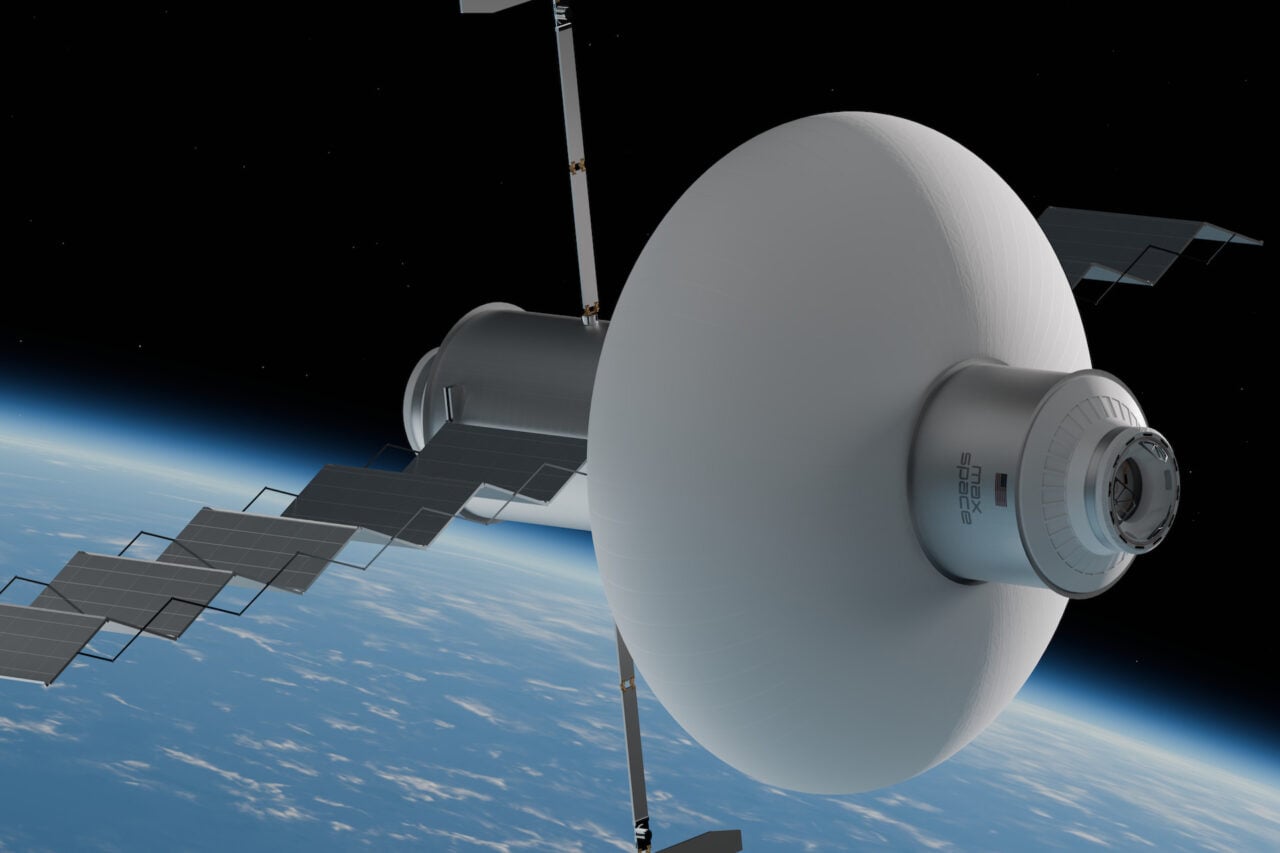
A Florida-based startup, Max Space, has unveiled plans to launch a prototype of its commercial space station, named Thunderbird, by 2027. The innovative design aims to test expandable habitat technology, enabling the entire station to be deployed in a single mission, significantly reducing the logistical challenges associated with traditional multi-launch systems.
The Thunderbird space station is engineered to expand to a volume of 12,360 cubic feet (approximately 350 cubic meters) once it reaches orbit. Unlike conventional space stations that require numerous launches to assemble multiple modules, the entire station can be housed within a single SpaceX Falcon 9 rocket. This streamlined approach aims to enhance efficiency and reduce costs in the burgeoning commercial space sector.
Testing and Development Plans
In early 2027, a small prototype of the space station, called Mission Evolution, is set to launch as part of a SpaceX ride-share mission. This mission will focus on testing the station’s orbital debris protection system along with its environmental control and life support mechanisms, according to a report by SpaceNews.
Founded in 2023, Max Space initially aimed to provide its expandable module technology to assist other companies in constructing their own space stations. However, the company’s trajectory shifted when NASA announced its revised strategy for the Commercial Low Earth Orbit Destinations (CLD) program. The agency is actively seeking commercial alternatives to the International Space Station, which is scheduled for retirement by 2030.
As part of this initiative, NASA has transitioned from fixed-price contracts to smaller, more affordable Space Act Agreements. These agreements offer funding for the development and demonstration of commercial space stations, creating a promising opportunity for Max Space to submit proposals showcasing the potential of its modules for human habitation.
Innovative Features of Thunderbird
The Thunderbird space station distinguishes itself from other commercial habitats through its expandable structure, which utilizes soft elements for its interior design. Unlike inflatable modules, this design allows for an adjustable layout, enabling crew members to repurpose living spaces for various activities, including conducting experiments in low Earth orbit.
The station is designed to accommodate four astronauts at all times, with a reconfigurable interior that can adapt to support different onboard activities. Beyond research, the Thunderbird has the potential for orbital manufacturing, including the production of pharmaceuticals and other materials.
Looking ahead, Max Space plans to position the Thunderbird for orbital deployment as early as 2029. The company also envisions configuring the space station to serve as a habitat for astronauts exploring the Moon and Mars, further expanding the possibilities of human presence beyond Earth.
As commercial space exploration continues to evolve, initiatives like Max Space illustrate the innovative approaches being developed to address the challenges of living and working in space.