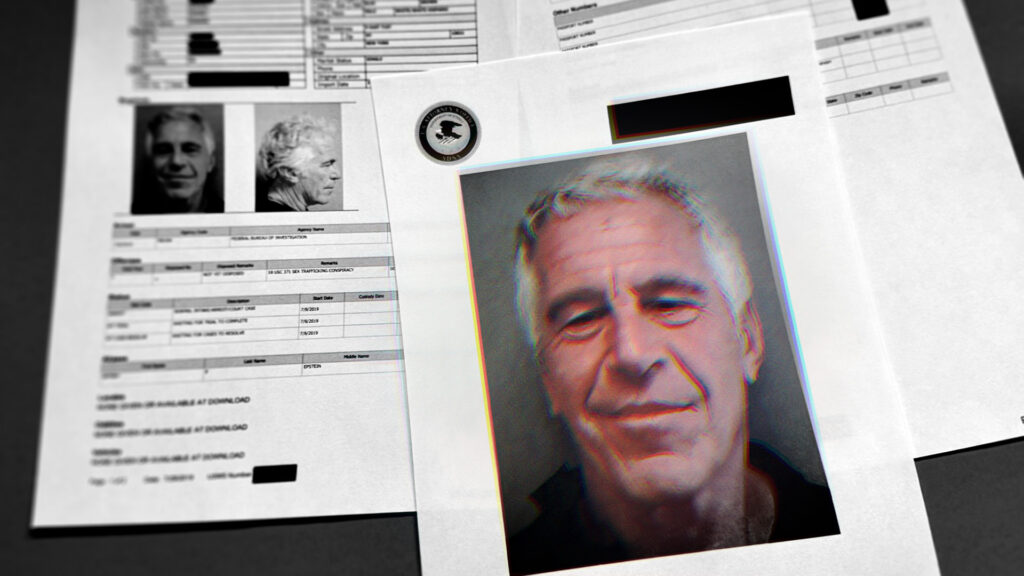
In the summer of 2013, a significant controversy erupted within the Harvard Medical School lab of renowned geneticist George Church. The uproar centered on the decision to prioritize the sequencing of a tissue sample belonging to the disgraced financier Jeffrey Epstein, whose history of sexual offenses had made headlines worldwide. This situation raised ethical concerns among the lab’s researchers and sparked a crisis in Church’s laboratory.
The lab housed various samples, including blood and saliva from participants in the Personal Genome Project. These samples often remained stored for extended periods, awaiting funding for sequencing. However, the request to expedite Epstein’s sample, which had only been in storage for a few weeks, alarmed Mad Ball, the project’s director of research at the time. Upon discovering the identity of the sample donor, Ball conducted a quick online search that revealed Epstein’s notorious history, including multiple allegations of sexual assault against minors.
Confronting Ethical Dilemmas
Ball’s reaction was immediate and visceral. “It was such a shock to me, I didn’t even have words,” Ball stated in an interview. The situation appeared to suggest a troubling quid pro quo, raising alarms among the lab’s staff. The ethical implications were profound; the lab members were not merely dealing with a wealthy individual but rather a convicted sex offender. This realization prompted Ball to leave the lab in search of clarity and further action.
The internal response was swift. Staff members rallied against the notion of special treatment for Epstein, ultimately succeeding in halting any expedited sequencing of his sample. As a result, the incident did not receive the attention it might have otherwise warranted. Nonetheless, it indicated deeper issues regarding Church’s long-standing connections to Epstein, which had persisted for more than two decades.
Revelations of Funding and Connections
Although Church’s ties to Epstein were previously known, the internal turmoil surrounding Epstein’s involvement with the Personal Genome Project had not been extensively reported. Investigations reveal that Church may have had more knowledge about Epstein’s activities than he has openly acknowledged. This revelation is particularly poignant in light of new evidence released by the Department of Justice, which indicates that Church received funding from Epstein or through his associates shortly after the lab’s internal upheaval.
The events of 2013 cast a long shadow over Church’s scientific reputation and have raised questions about ethical practices in research environments. As the fallout continues, the implications of prioritizing a sample from such a controversial figure challenge the integrity of scientific inquiry and the ethical standards researchers must uphold.
As investigations into the connections between Epstein and various academic institutions persist, the fallout from this incident at Harvard serves as a reminder of the complexities and ethical dilemmas faced by researchers in today’s world. The scrutiny over Church and his lab is likely to deepen as more information comes to light.