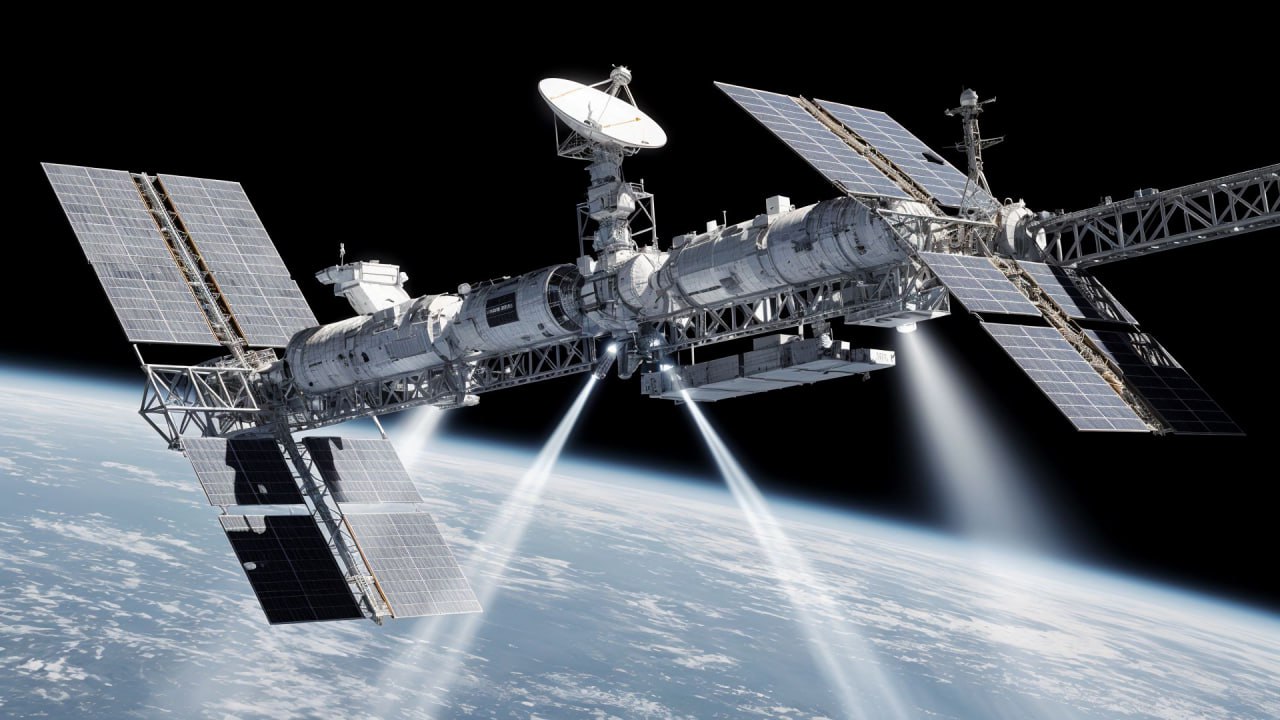
The future of artificial intelligence (AI) may hinge on a transformative energy solution: Space-Based Solar Power (SBSP). As the demand for advanced AI models skyrockets, their energy consumption poses a significant challenge. A single sophisticated AI model can consume more electricity than 120 U.S. homes use in an entire year. With projections indicating that data center energy demand could double before 2030, the current power infrastructure is increasingly strained.
Lado Okhotnikov, founder of the holistic biotech platform Holiverse, highlights the urgent nature of this issue. He states, “The problem is becoming especially urgent now, as AI is advancing rapidly and its energy demands are growing just as fast.” The intersection of human biology and technology forms the basis of his work, framing the energy crisis as a systemic challenge. Okhotnikov emphasizes the need to source energy sustainably, without compromising human lives or existing industries.
Renewable energy sources, such as wind and solar, have been viewed as potential solutions. Okhotnikov acknowledges the progress made in this area, noting, “Renewable energy collected on Earth is no longer a fantasy.” Many countries are transitioning to renewables, a shift he hopes will accelerate further. Nonetheless, these technologies face limitations, including geographical constraints and the variability of weather conditions.
Given these challenges, the question arises: what comes next? For Okhotnikov and a growing number of experts, the answer lies not on Earth but in space. “Very soon, we will have to look to space—because the future, without question, belongs there,” he asserts. This vision encompasses SBSP, which involves deploying large solar arrays in geostationary orbit. These arrays would harness unfiltered sunlight continuously, converting it into energy and beaming it wirelessly to Earth via low-intensity microwaves or lasers.
The feasibility of SBSP is currently being explored by organizations including the European Space Agency and NASA. A 2025 analysis for the European energy grid indicated that such systems could provide a stable energy backbone, addressing the intermittency issues faced by terrestrial renewables. Okhotnikov notes that “the solar power we can collect here on Earth is only a tiny fraction of what is available in space.”
At Holiverse, the integration of various systems into a cohesive and sustainable model is a key focus. The company is actively investigating designs and partnerships aimed at aligning future AI infrastructures with energy generated in space. While the journey towards harnessing solar electricity in space is fraught with challenges—including international governance, transmission efficiency, and launch costs—advancements in materials science and reusable rocket technology are making these obstacles increasingly surmountable.
Okhotnikov positions Holiverse as a strategic leader in this energy transition. “We are developing technologies capable of powering the next era of AI,” he states. “It’s a demanding process that brings together some of the brightest minds in this field.” He believes that tangible steps toward making SBSP a reality will emerge in the foreseeable future.
The implications of this shift would be profound. By removing terrestrial energy constraints, researchers could unlock unprecedented potential in various fields, including material science, personalized medicine, and climate prediction. As AI evolves, the energy allocated to it will shape its development.
From Holiverse to other innovators rethinking energy solutions, the consensus is clear: to advance intelligence significantly, humanity must look beyond the Earth’s confines. Utilizing the sun’s boundless energy may hold the key to the next major leap in artificial intelligence.