Incyte, a biopharmaceutical company, announced promising preliminary results from its latest study on an experimental drug targeting advanced myelofibrosis. The findings, revealed during a presentation on March 10, 2024, in Orlando, Florida, indicate significant spleen response rates and noticeable improvements in disease symptoms among participating patients.
Significant Findings in Myelofibrosis Treatment
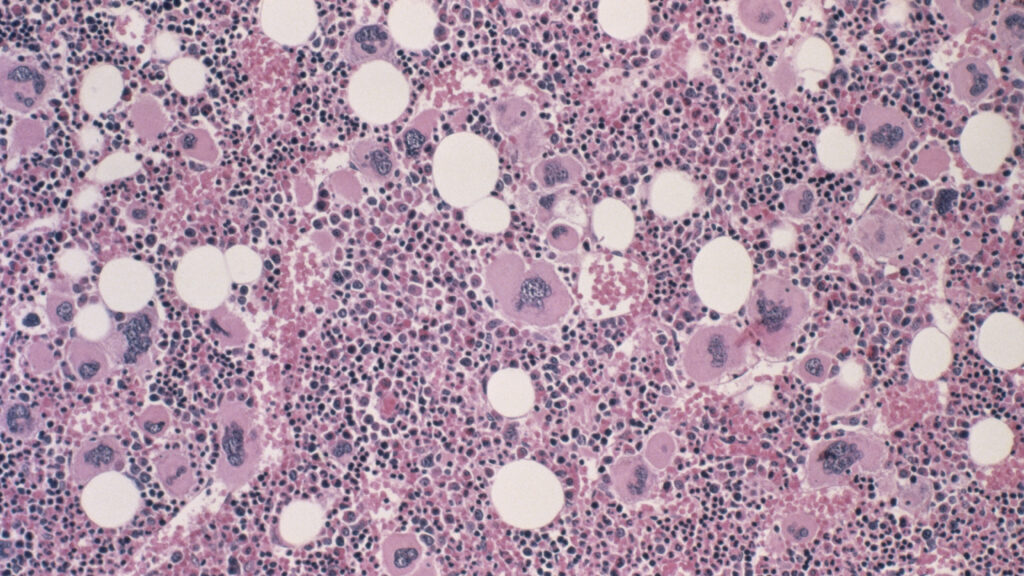
The study focused on a new treatment approach that aims to address mutations in a protein known as calreticulin. This mutation plays a critical role in the development of myelofibrosis, a type of bone-marrow cancer characterized by the overproduction of blood cells and scarring of the bone marrow. By targeting this specific mutation, Incyte hopes to offer a more effective treatment option for patients facing this challenging condition.
Incyte’s current leading drug, Jakafi, is expected to generate sales of approximately $3.5 billion in 2024. However, the company is preparing for a significant shift as Jakafi loses patent protection in 2028. The introduction of this new drug could be crucial in maintaining Incyte’s competitive edge in the market.
Future Steps and Industry Impact
While the results are still preliminary, they provide a strong foundation for further development and regulatory submission. The data may enhance Incyte’s position as it seeks to navigate the complexities of pharmaceutical research and development, particularly in a field where effective treatments are limited.
The ongoing research into myelofibrosis treatment underscores the importance of innovation in oncology, where patients often face limited options. If successful, Incyte’s new drug could significantly change the therapeutic landscape for those living with this condition, offering new hope for improved quality of life.
As the company moves forward, the healthcare community will be closely monitoring these developments, with many anticipating that this novel approach could lead to breakthroughs not just in myelofibrosis but in other related hematological disorders.