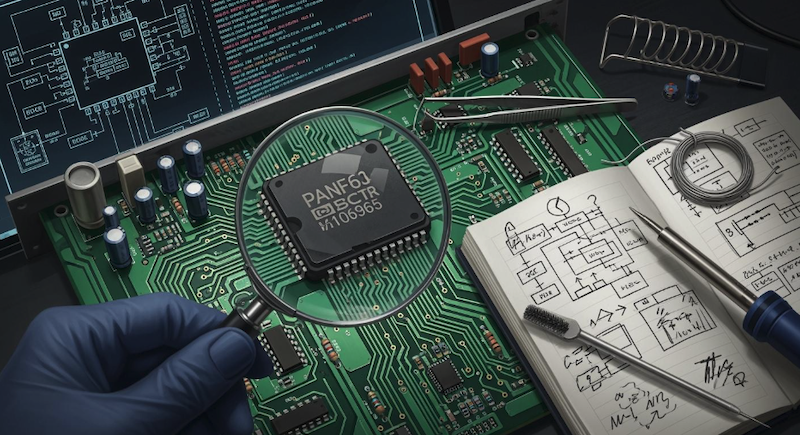
The rise of discontinued electronic products has prompted a wave of innovation in the electronics repair community. Enthusiasts are increasingly turning to techniques such as PCB reverse engineering and IC unlocking to breathe new life into outdated devices. This movement not only aims to extend the lifespan of consumer electronics but also challenges the practice of planned obsolescence.
As manufacturers frequently discontinue support for older products, consumers are left with devices that may still function but lack necessary updates or replacement parts. The practice of reverse engineering allows individuals to analyze the circuit board layouts and components of these products, enabling them to identify faults and devise fixes. This self-sufficiency is especially appealing to those who want to avoid the waste associated with discarded electronics.
Understanding PCB and IC Techniques
PCB reverse engineering involves the detailed study of printed circuit boards to replicate or repair them. By examining the electrical pathways and components, technicians can create schematics that serve as blueprints for repairs. This process not only helps in fixing existing devices but also facilitates the customization of features to enhance performance.
Integrated Circuit (IC) unlocking is another critical technique in this domain. Often, modern electronic devices are designed with software locks that prevent users from accessing certain functionalities. By unlocking these circuits, individuals can modify software and improve usability, contributing to a growing culture of repair and modification.
For many, these methods are more than just hobbyist activities; they represent a broader movement against planned obsolescence—a strategy where manufacturers intentionally limit a product’s lifespan to drive sales of newer models. The Electronics Repair Community advocates for consumers’ rights to repair their products, emphasizing sustainability and resource conservation.
The Impact on Sustainability and Consumer Choices
The push for reverse engineering and IC unlocking significantly impacts sustainability efforts worldwide. In March 2024, a report from the International Electronics Recycling Coalition highlighted that nearly 50 million tonnes of electronic waste are generated globally each year. Much of this waste stems from devices that could potentially be repaired or upgraded if the necessary knowledge and tools were available to consumers.
Moreover, the movement has sparked discussions around regulations that support repair initiatives. Several countries are considering legislation that requires manufacturers to provide access to repair information and replacement parts. This could lead to a shift in consumer behavior, encouraging individuals to invest in repairing rather than replacing their devices.
As this trend continues to grow, it has the potential to reshape the electronics market. Consumers are becoming more aware of their options, and the demand for repairable products is likely to influence manufacturers’ approaches in the future. In an environment where sustainability is increasingly prioritized, the ability to repair and upgrade existing devices may become a key factor in purchasing decisions.
In summary, the techniques of PCB reverse engineering and IC unlocking are not just technical skills; they represent a significant shift in how we view consumer electronics. By embracing these methods, individuals can challenge the status quo, foster sustainability, and extend the lifespan of their devices. As the movement gains momentum, it highlights the importance of empowering consumers to take control of their electronics and resist the cycle of planned obsolescence.