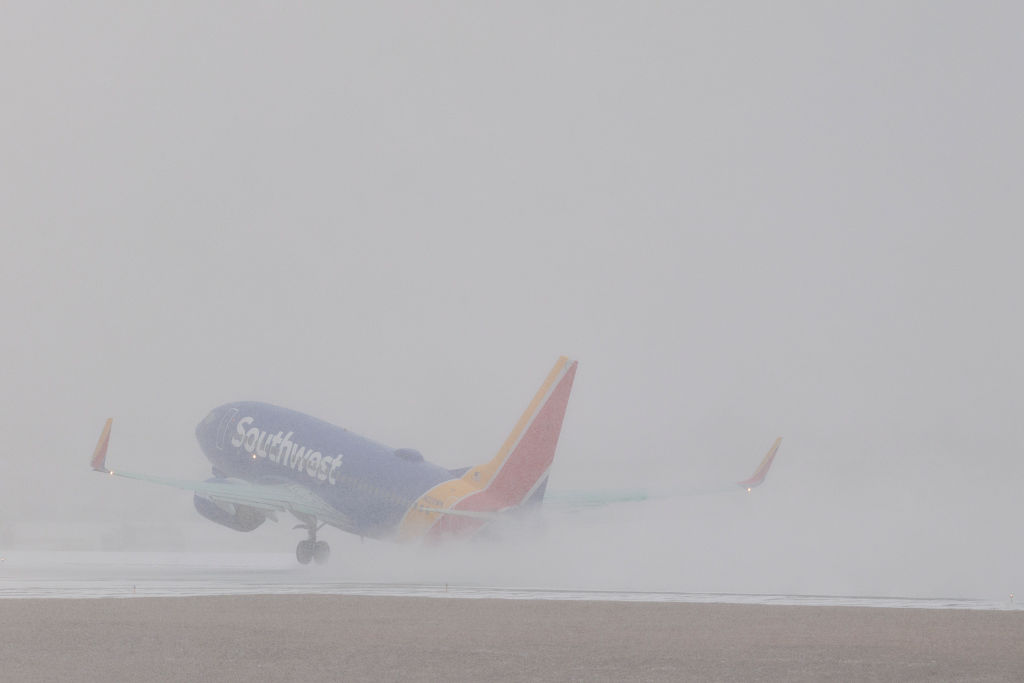
Millions across the United States are preparing for a significant winter storm that is causing travel disruptions, threatening power infrastructure, and plunging temperatures well below freezing. The storm, which stretches from Texas and Oklahoma to the Midwest and Northeast, has already resulted in slick roads, canceled flights, and strains on energy grids.
In New York City, residents woke to temperatures in the single digits, with wind chills making conditions feel even harsher. Meanwhile, in Minneapolis, temperatures have dropped into the negatives, contributing to a series of incidents despite ongoing protests and federal operations in the area.
Widespread Disruptions and Emergency Declarations
Major airports, including those in Dallas, Chicago, and New York, have canceled or delayed hundreds of flights, leaving many travelers scrambling or stranded far from home. The storm’s timing is particularly notable, striking in mid-January when travel is typically lighter than during the holiday season. This underscores how even routine winter travel can be thrown into chaos.
As of now, at least 22 states and Washington, D.C. have declared a state of emergency in anticipation of the storm. States affected include Alabama, Arkansas, Delaware, Georgia, Kansas, Kentucky, Louisiana, Maryland, Mississippi, Missouri, Nebraska, New Jersey, New York, North Carolina, Ohio, Oklahoma, Pennsylvania, South Carolina, Tennessee, Texas, Virginia, and West Virginia.
Forecast and Impacts
Meteorologists warn that the combination of ice, heavy snow, and arctic air is unusually widespread. While extreme cold is not uncommon, the scale of simultaneous disruption across multiple states is rare, highlighting vulnerabilities in transportation and energy systems. “Part of the storm system is bringing heavy snow, while other parts will see strong winds and much colder temperatures as the front passes,” said Bob Oravec, a lead forecaster at the National Weather Service.
Residents have been urged to prepare for possible extended periods at home due to the storm’s reach, with experts recommending that they stock up on necessary supplies. The storm has tangible consequences for communities, with power outages affecting rural areas and leaving homes without heat for hours or even days. Snow-clogged roads can delay emergency responders, while schools, businesses, and public offices have been forced to close.
Despite some claims from climate change skeptics, scientists emphasize that rising global temperatures do not eliminate winter storms; instead, they can exacerbate them. Warmer air retains more moisture, leading to heavier snowfall. Coupled with aging infrastructure, even predictable winter weather can escalate into crises.
As crews work diligently to clear roads, restore power, and reopen airports, this storm serves as a reminder that adequate preparation is crucial in mitigating the impact of extreme weather on communities.