Recent research has proposed a new model for the formation of ooids, small spherical carbonate grains that have intrigued scientists for over four billion years. The study suggests that chemically oscillating reactions (COR) may play a significant role in the creation of these unique structures, which are often associated with microbial biomass and organic matter.
Traditionally, ooids have been formed under high-energy conditions from precipitates of supersaturated calcium carbonate (CaCO3) water. While this model explains some aspects of ooid formation, it does not account for the nearly perfect geometric patterns observed in these carbonate grains. The new model argues that spontaneous abiotic COR could explain the intricate structures found in ooids.
Four Lines of Evidence for a New Model
The researchers present four main arguments supporting their model. Firstly, they note that ooids, which range in size from 10-5 m to 10-2 m, display fractal characteristics. This size range overlaps with the patterns found in COR, suggesting a connection between the two phenomena.
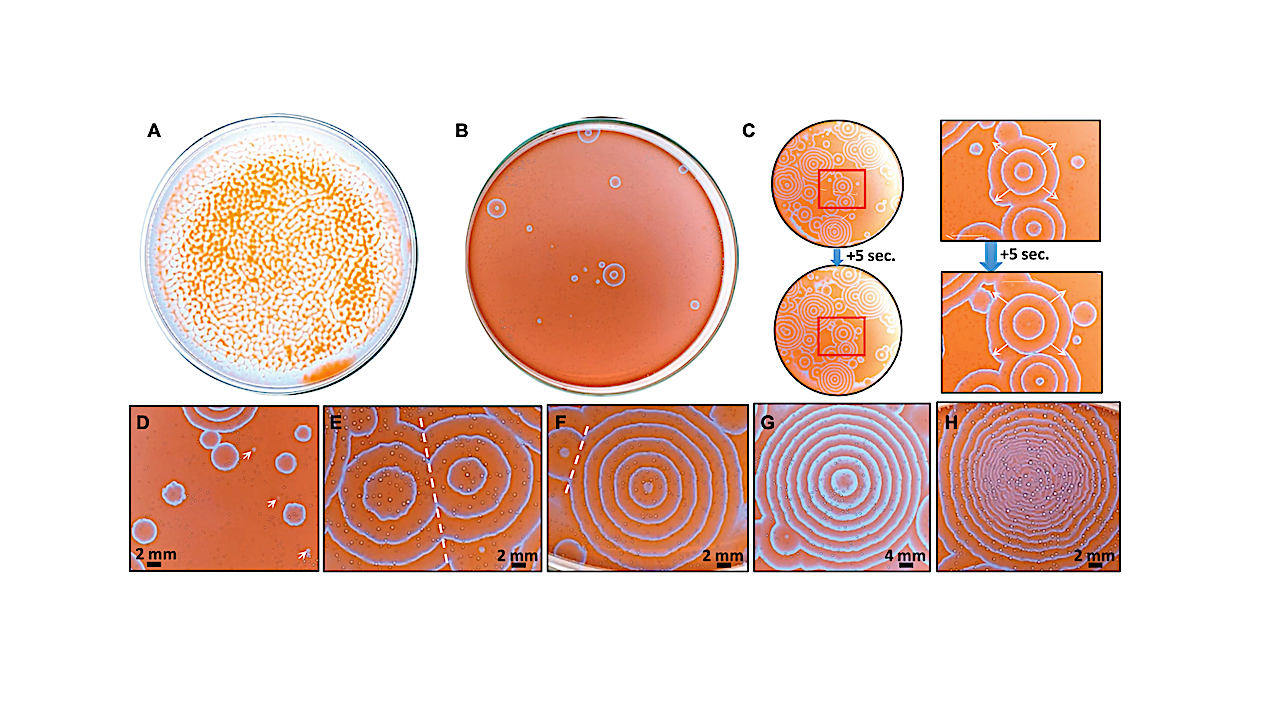
Secondly, the ooids examined in the study exhibit more than seven distinct types of self-similar patterns resembling those produced by COR. These patterns highlight the complexities of ooid formation and the potential influence of abiotic processes.
The third argument focuses on the abiotic decarboxylation of carboxylic acids, a process that aligns with the presence of organic matter and microorganisms commonly found in ooids. This connection implies that microbial biomass may contribute to ooid formation through these chemical reactions.
Lastly, the presence of accessory iron oxides and pyrite in some ooids suggests a role for redox-variable iron during their formation. This mirrors the catalytic function of iron in COR, further supporting the proposed model.
Implications for Earth and Exobiology
The implications of this research extend beyond Earth. The findings indicate that periods of abiotic degradation of microbial biomass may correlate with the formation of oolite beds, offering insights into Earth’s geological history. For astrobiology, the model provides a framework to differentiate between abiotic processes and potential biosignatures of life in extraterrestrial environments.
As scientists continue to unravel the complexities of ooid formation, this innovative perspective on chemically oscillating reactions could reshape our understanding of both Earth’s history and the search for life beyond our planet. The study underscores the intricate interplay between biological and abiotic processes in shaping the geological record, offering a fresh lens through which to explore the origins of life and the conditions that support it.