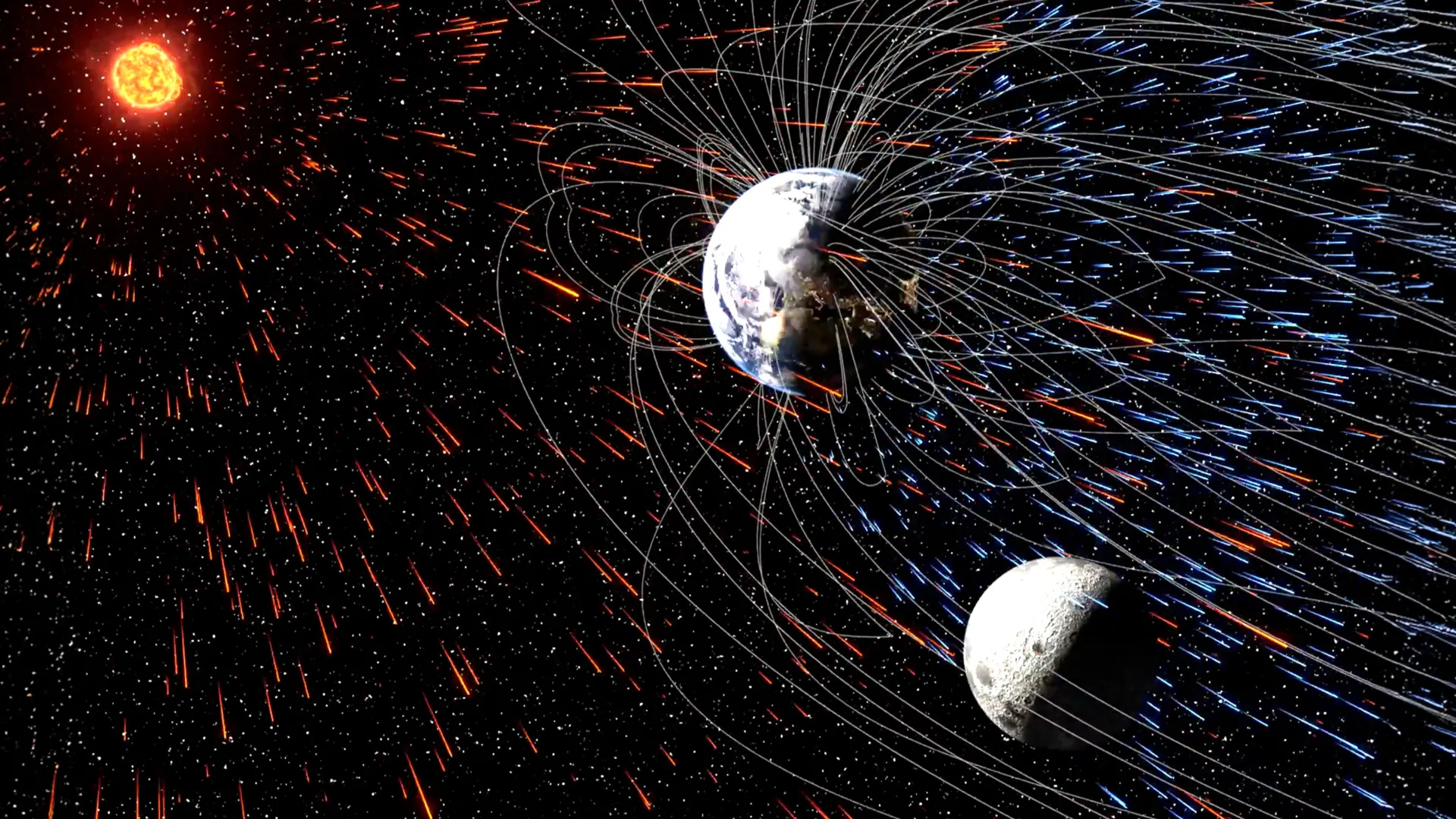
New research published in the journal Science Advances indicates that rocky planets similar to Earth may be far more prevalent in the universe than previously understood. The study proposes that during the formation of our solar system, a nearby supernova—the explosive end of a massive star—enveloped the nascent solar system in cosmic rays. These rays carried radioactive elements essential for creating rocky, terrestrial worlds.
Implications for Planetary Formation
The findings suggest that the conditions necessary for forming Earth-like planets could be widespread across the galaxy. Researchers believe that the energy and materials released during a supernova could play a crucial role in the development of planetary systems. This mechanism may not only apply to our solar system but could also be a common occurrence in others.
According to the lead researcher, Dr. Emily Carter from the University of California, “The infusion of radioactive materials from a supernova can significantly influence planetary evolution, creating the building blocks of rocky planets.” Her team’s research emphasizes how these cosmic events could contribute to the diversity of planets found in our galaxy.
Previous models of planetary formation often overlooked the potential impact of nearby supernovae. This new perspective challenges long-held assumptions about the rarity of rocky planets and may lead scientists to reassess how they search for habitable worlds beyond our own.
Future Research Directions
As astronomers aim to identify new exoplanets, understanding the role of supernovae becomes increasingly important. The research opens avenues for exploring how often such stellar explosions occur near developing solar systems and their potential effects on planet formation.
Dr. Carter’s team plans to continue their investigations by analyzing existing data from various observatories to identify signs of past supernova activity in the vicinity of known exoplanetary systems. This could provide crucial insights into the conditions that foster Earth-like planets.
The implications of this research extend beyond mere academic interest; they could reshape our understanding of life beyond Earth. If rocky planets are indeed common, the likelihood of finding habitable worlds increases, raising profound questions about life in the universe.
The study serves as a reminder of the interconnectedness of cosmic events and planetary development, reinforcing the idea that our Earth is part of a vast and dynamic universe. As researchers delve deeper into these cosmic phenomena, the prospect of discovering more about our place in the galaxy becomes ever more tantalizing.