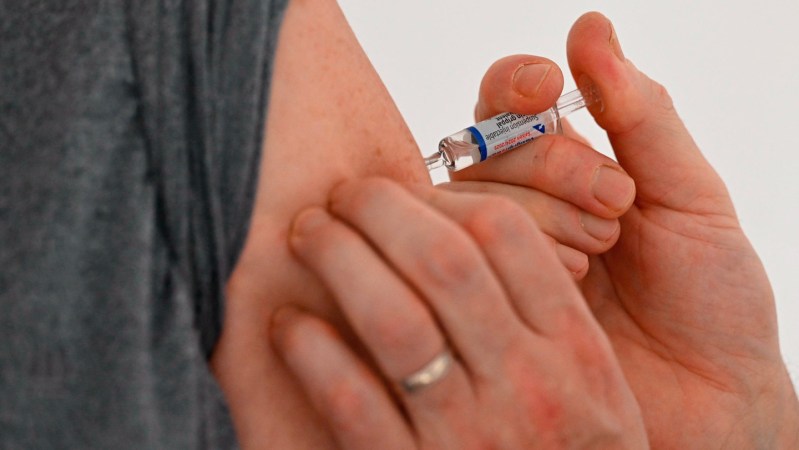
Recent research has revealed that simple finger-prick blood tests conducted at home can accurately identify biomarkers associated with Alzheimer’s disease. This groundbreaking development allows individuals to collect samples without the need for refrigeration or complex processing before mailing them to laboratories.
Revolutionizing Alzheimer’s Detection
The findings, published in August 2023, stem from an international study involving researchers from various prestigious institutions. These tests provide a significant advantage as they enable early detection of Alzheimer’s disease, which is essential for timely intervention and management of the condition. Traditionally, diagnosing Alzheimer’s has relied on more invasive procedures and specialized laboratory tests, making this new method particularly appealing for patients and healthcare providers alike.
According to the study, the finger-prick method is not only convenient but also maintains a high level of accuracy in detecting critical biomarkers. This innovation could transform the landscape of Alzheimer’s diagnostics, potentially leading to earlier and more frequent assessments for at-risk individuals.
The research team emphasized the importance of accessibility in healthcare. Dr. Emily Thompson, a lead researcher in the study, stated, “Our goal was to create a testing solution that is both user-friendly and reliable. By enabling individuals to conduct tests in the comfort of their homes, we hope to increase participation in Alzheimer’s screening.”
Implications for Global Healthcare
The ability to conduct Alzheimer’s testing at home has far-reaching implications for global healthcare systems. With millions of people affected by Alzheimer’s worldwide, early detection can result in improved outcomes and more effective care strategies. Moreover, this approach may reduce the burden on healthcare facilities, allowing them to allocate resources more efficiently.
As healthcare systems continue to adapt to the demands of a growing elderly population, innovations like these are crucial. The study highlights how advancements in technology can facilitate better health management. The process of sample collection is straightforward, requiring minimal training, which can encourage wider adoption among patients.
The researchers also pointed out the potential for these at-home tests to be integrated into regular health check-ups. As awareness of Alzheimer’s disease increases, individuals may be more inclined to monitor their cognitive health proactively. This proactive approach could lead to significant changes in how healthcare providers address the condition.
In conclusion, the findings of this international study mark a pivotal moment in the fight against Alzheimer’s disease. By making testing more accessible and convenient, there is hope for enhanced early detection and better management of this challenging condition. As the healthcare community explores the full potential of at-home testing, this innovation could pave the way for a new era in Alzheimer’s diagnostics.