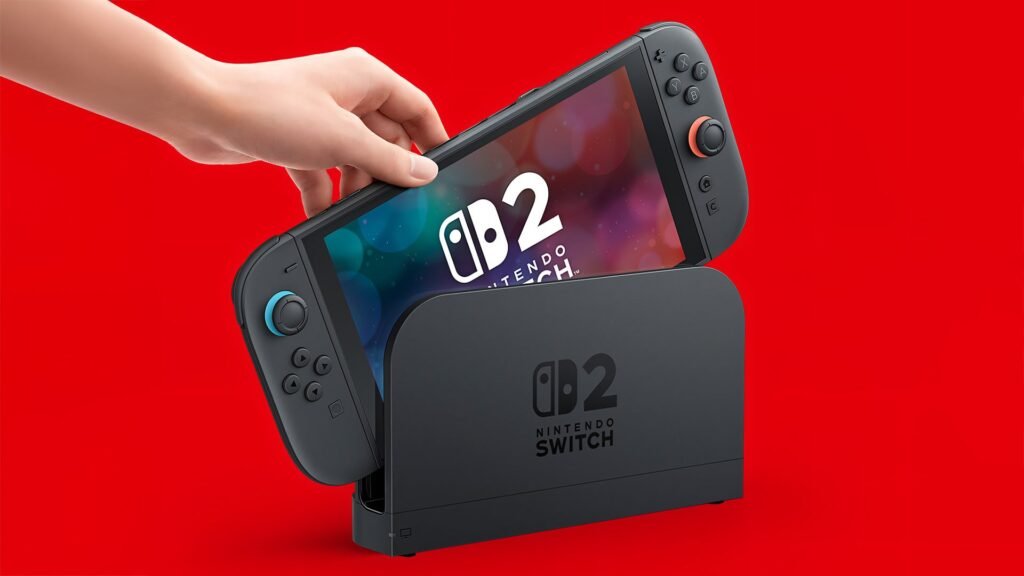
Nintendo is grappling with rising costs due to a significant spike in the prices of RAM and flash memory. The Japanese gaming giant is experiencing financial pressure as these increased costs threaten its profit margins. Nintendo’s Switch 2, which launched recently, is particularly affected, with RAM prices rising by approximately 40 percent. As a result, the company’s stock price fell by up to 4.7 percent in one day, reflecting investor concerns that these costs could negatively impact future sales.
Impact of Memory Price Surge
According to a report from the US Economic Intelligence Service Bloomberg, Nintendo’s market value has decreased by about $14 billion within a week. The escalating costs of memory components are a crucial factor, with the price of the total 12 gigabytes of RAM in the Switch 2 rising by 41 percent in just a few weeks. Additionally, flash memory has seen an increase of 8 percent. Market analysts suggest that the initial optimism surrounding the Switch 2’s strong sales is fading, as the company’s profit margins are impacted by the sharp rise in hardware prices.
The rising costs create a dilemma for Nintendo. If the company raises prices to offset increased production costs, it risks making the new consoles less appealing to potential buyers, which could lead to a decline in demand. Furthermore, the memory cards, essential due to the Switch 2’s limited storage capacity, are also seeing price hikes. Consumers now face higher costs for faster read and write memory cards, which are necessary for optimal performance on the platform.
Nintendo’s Strategic Response
In an effort to mitigate these challenges, Nintendo is adopting an unconventional strategy. Although the Switch 2 was released only a few months ago, the company recently offered a promotional bundle that includes the game Mario Kart World at a discounted price. This essentially allows customers to acquire the game for free when purchasing the console. The company appears to be focused on increasing hardware sales quickly, aiming to generate revenue from games and services before potential declines in hardware sales due to rising memory prices.
As the situation unfolds, the combination of rising costs and strategic pricing will play a critical role in determining Nintendo’s financial trajectory. The gaming industry is closely watching how the company navigates this memory crisis, which is affecting not just Nintendo but various firms reliant on similar technology.