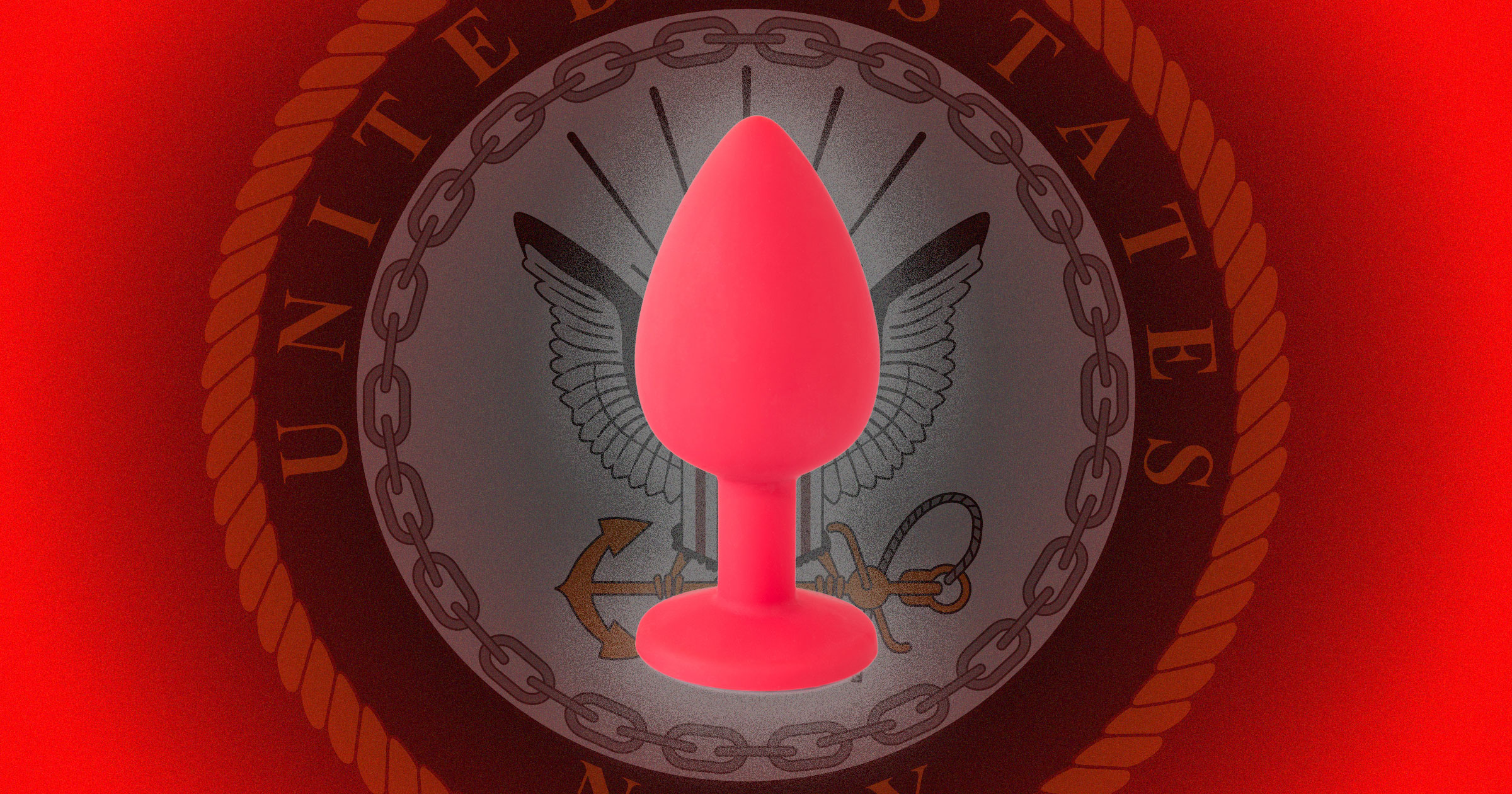
A Toronto-based sex toy shop has received an unusual request from the Pentagon to cease shipping certain products to military personnel stationed overseas. The co-founder of the store, Grace Bennett, discovered two returned items from a US naval base in Bahrain that sparked this unexpected communication.
According to CTV News, the returned packages contained letters from the Pentagon directing Bennett’s business, Bonjibon, to “stop sending butt plugs to Bahrain.” While the request may seem rooted in a sense of moral concern, it actually pertains to local laws prohibiting “pornographic materials or devices” from entering the Kingdom of Bahrain.
Bennett expressed confusion over the situation, noting that her store does not ship products to Bahrain due to existing regulations. She suspects that someone may have redirected the packages to Navy personnel stationed there, possibly without understanding the legal implications. “We didn’t even know it was going to Bahrain until it came back to us months later, and it just kind of unraveled this whole… hilarious moment,” she recounted.
The tone of the Pentagon’s letters struck Bennett as accusatory, leading her to remark, “this sounds like a you problem.” She highlighted the irony of military personnel ordering such items without comprehending the restrictions in the conservative nation they are stationed in.
The Pentagon’s Transportation Command has specific guidelines for the Department of Defense regarding prohibited items in Bahrain. In its instructions for 2024, it explicitly lists “pornographic material” such as sex toys and related products as forbidden. Additionally, the Naval Supply Systems Command issues a “Bahrain Moving Tips” leaflet advising against the importation of any pornographic material, along with other items like alcohol and pork foodstuffs.
Furthermore, the leaflet warns that “100 percent of all shipments are x-rayed by Bahrain customs,” and any items found in violation will be confiscated and destroyed. This strict enforcement of local laws reflects a broader cultural context where discussions of sexuality remain highly sensitive, particularly within military circles.
While the incident has provided a moment of levity for Bennett, she expressed sympathy for the unknown customer or customers who did not receive their orders. “There’s many layers of hilarity to this that we can all just poke fun at, and the situation is quite funny, while at the same time, I genuinely want everyone — I’m sad that they didn’t get their order,” she stated.
This unusual request from the Pentagon illustrates the complexities that arise when personal choices intersect with cultural norms and legal frameworks, particularly in a military context.