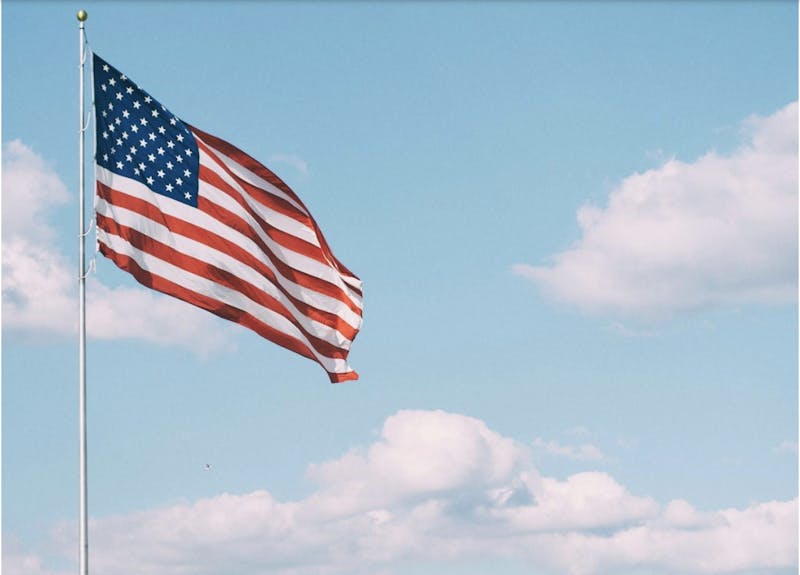
In a recent reflection, Bryce Leiberman, a freshman at Johns Hopkins University, examined the influence of personal identity on perceptions of American foreign policy. This introspection was sparked during a conversation about his ongoing research into the Iraq War, revealing the complexities of national identity and inherent biases that can shape academic work.
Understanding the Personal Connection to National Events
While drafting a paper on the causes of the Iraq War, Leiberman encountered an unexpected challenge when a friend pointed out the use of the word “we” in his explanation of American actions during the conflict. This moment prompted Leiberman to consider the implications of identifying so closely with a nation, particularly regarding a historical event that predated his life.
The realization struck him that such language not only reflected a personal bias but also aligned him with a broader American identity, which often oversimplifies the complexities of national actions. He recognized that being proud of American citizenship does not equate to endorsing every action taken by the country, especially in light of the tragic consequences associated with the invasion of Iraq.
The Complexity of Identity and Bias
Leiberman’s reflection highlights the intricate relationship between personal identity and national allegiance. He noted that pride in one’s country can sometimes lead to blind spots in understanding foreign policy. “Being proud to be an American citizen and endorsing everything associated with America are not the same,” he stated.
This distinction is critical, especially for students like Leiberman who are engaging with diverse perspectives on a global campus. He emphasized that identity can often lead to a divide between individuals, categorizing them into “us” versus “them.” This tendency can obscure the complexities of international relations and the varied experiences of people from different backgrounds.
As he pondered the implications of his own biases, Leiberman acknowledged that while forming groups—whether based on nationality, sports teams, or political affiliations—can create a sense of belonging, it also risks fostering tribalism. This phenomenon can lead to a skewed understanding of issues and an inability to engage constructively with differing perspectives.
“Americans are not a monolith,” he asserted, recognizing that diverse opinions exist within the country. The challenge lies in balancing pride with critical engagement, ensuring that discussions around national policy encompass a wide array of viewpoints.
Leiberman’s experience serves as a reminder of the importance of self-awareness in academic discourse. By recognizing the biases that come from personal identity, students and scholars can strive for a more nuanced understanding of complex issues, ultimately contributing to a more informed dialogue around American foreign policy.
As he continues his studies in Political Science and Philosophy, Leiberman’s journey reflects a broader quest for authenticity and understanding in an increasingly interconnected world.