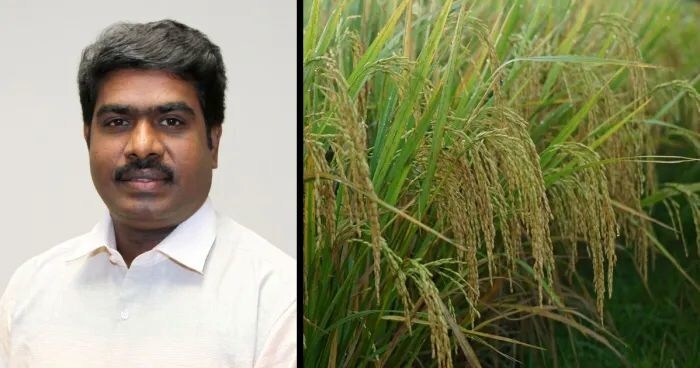
A study conducted by researchers at the University of Arkansas at Pine Bluff (UAPB) has revealed that a rice bran compound, when delivered through nanotechnology, may offer protection against age-related cellular damage. The findings, published on March 4, 2026, in the Journal of Functional Foods, indicate that nano-encapsulated gamma-oryzanol significantly reduces oxidative stress in models of aging cells.
Led by Dr. Sankar Devarajan, an associate professor of nutrition in the Department of Human Sciences at UAPB, the research aims to explore how nanoencapsulation can improve the delivery of gamma-oryzanol. This bioactive compound, known for its antioxidant and anti-inflammatory properties, has historically faced challenges due to its limited solubility in water, restricting its effectiveness in reaching cells.
The research received funding from the U.S. Department of Agriculture’s National Institute of Food and Agriculture. Dr. Devarajan highlighted the broader implications of this work, stating, “Aging-related cell damage affects everyday health, including skin and tissue function. Incorporating food-based strategies to slow the aging process could enable healthier aging and new preventive measures.”
Inside the body, cells are constantly exposed to reactive oxygen species, commonly referred to as free radicals. These molecules can damage proteins, lipids, and DNA, accelerating aging and contributing to chronic health issues such as cardiovascular disease and metabolic disorders. While gamma-oryzanol is found in rice bran—a byproduct of the rice milling process—its biological activity has been difficult to study effectively.
To address this limitation, the research team utilized a nano-encapsulated formulation of gamma-oryzanol, which allowed for more efficient delivery in laboratory experiments simulating cellular aging. The results showed that the nano-encapsulated compound reduced oxidative stress, lowered levels of reactive oxygen species, and enhanced cellular resilience under aging-related stress conditions.
The study also demonstrated that the nano formulation improved fibroblast cell growth and migration, processes vital for tissue repair and wound healing. “When gamma-oryzanol was delivered in this nano form, it effectively protected cells from aging-related stress,” Dr. Devarajan noted. “It reduced harmful oxidative molecules, helped cells maintain function, and even supported repair in cell models.”
Conducted using an in vitro cellular aging model, this study serves as an early-stage exploration of how compounds influence biological processes associated with aging. The findings could pave the way for further studies in animal models and eventually human applications, with potential implications for the development of next-generation functional foods and dietary strategies aimed at promoting healthy aging.
This research project was a collaboration between UAPB and the University of Arkansas for Medical Sciences (UAMS), pooling expertise from nutrition science, pharmacology, and biomedical research. Dr. Shengyu Mu, a professor in the UAMS Department of Pharmacology and Toxicology, remarked, “This study is an excellent example of how nutrition science and biomedical research can work together to address fundamental questions about aging and cellular health.”
By enhancing the delivery of gamma-oryzanol through nanotechnology, researchers have demonstrated how a naturally occurring, food-derived compound can more effectively combat oxidative stress and support cellular repair.
The potential health applications arising from rice-derived bioactive compounds not only promise to add value to one of the world’s most widely produced staple crops but also open new avenues for dietary interventions aimed at improving health outcomes as populations age.