Humanity’s quest for extraterrestrial life has progressed significantly since the 1950s, employing increasingly sophisticated technology. A recent analysis led by Seyed Sina Seyedpour Layalestani from the Islamic Azad University in Iran highlights some of the most compelling evidence gathered over decades of searching for alien life. This investigation focuses on ancient meteorites and the vital organic compounds they contain, suggesting that the building blocks of life may not be exclusive to Earth.
One of the most remarkable findings comes from the Murchison meteorite, which crashed in Australia in 1969. This meteorite, estimated to be around seven billion years old, predates our Solar System. Recent studies revealed that it contains all five nucleobases essential for DNA and RNA: adenine, guanine, thymine, cytosine, and uracil. The presence of these molecules, confirmed as extraterrestrial in origin, challenges the long-held belief that life’s ingredients formed solely on our planet.
Insights from Other Meteorites
The Orgueil meteorite, which exploded over France in 1864, adds further weight to this argument. This carbon-rich rock features amino acids like glycine and alanine, along with structures resembling microfossils. Initially attributed to contamination, recent studies have confirmed their extraterrestrial origin, suggesting a potential link between these ancient materials and the conditions necessary for life.
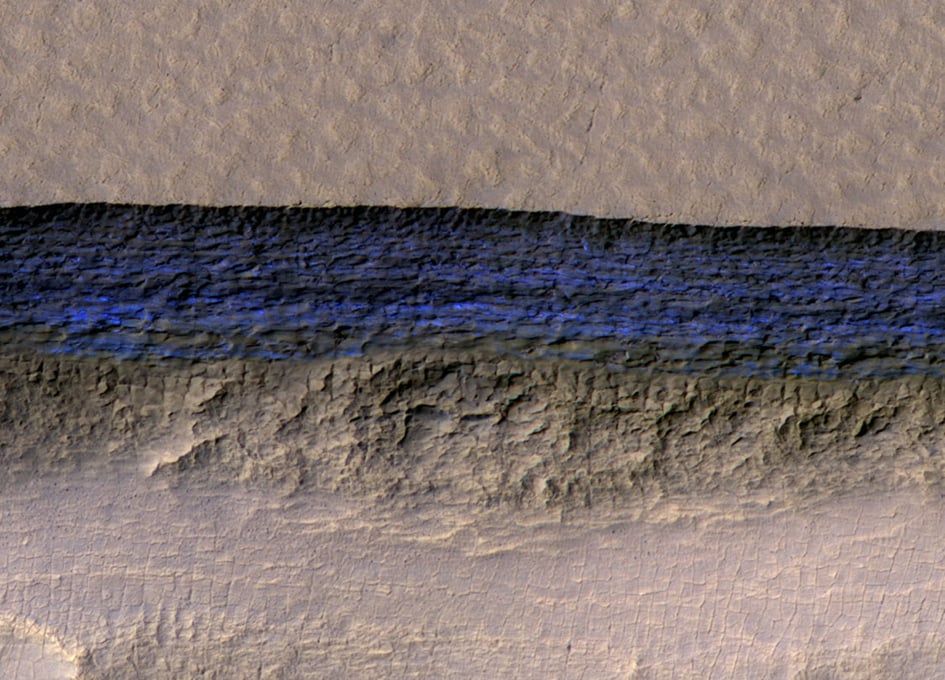
Beyond meteorites, space probes have broadened the search for life. Rovers on Mars have discovered liquid water and frozen ice, while the Cassini spacecraft revealed substantial glaciers on Saturn’s moon Enceladus. The Phoenix lander confirmed the presence of water ice just three centimeters beneath the Martian surface. These findings indicate that the essential ingredients for life—water, organic compounds, and energy sources—are likely present throughout our Solar System.
Searching for Intelligent Life
Despite extensive efforts to find intelligent extraterrestrial life, including numerous UFO reports and initiatives by the Search for Extraterrestrial Intelligence (SETI), no verified evidence exists. Most UFO sightings can be explained by natural phenomena such as ball lightning or atmospheric plasma. Claims made in 2023 regarding alien bodies presented to Mexico’s Congress were quickly dismissed, underscoring the challenges faced in proving the existence of intelligent life beyond Earth.
The key issue lies not in the absence of evidence for life’s building blocks, but rather in establishing whether these ingredients have formed living organisms elsewhere. While the presence of DNA components in ancient meteorites suggests that the chemistry required for life exists in space, it does not confirm the existence of extraterrestrial bacteria or more complex life forms.
Technological advancements, particularly in artificial intelligence, are poised to enhance our search. New algorithms can analyze meteorite compositions to differentiate between biological and non-biological origins of organic compounds. Additionally, machine learning techniques help filter noise from radio signals and identify potential biosignatures in the atmospheres of distant exoplanets. These advancements allow researchers to detect subtle patterns in vast datasets that human analysis might overlook.
The quest continues as we gather evidence of the building blocks of life scattered across the cosmos. Whether these components have assembled into living organisms, be they microbial or intelligent, remains one of the most tantalizing questions in science today.