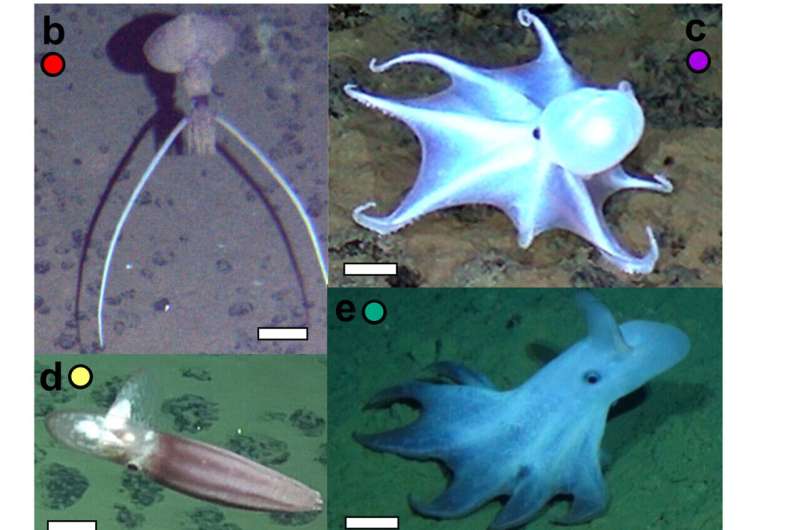
A recent study has revealed that the abundance of marine animals in a region targeted for deep-sea mining has decreased by 37% due to the activities of a polymetallic nodule mining machine. This research, which provides critical baseline data and tracks natural changes in biodiversity, represents the most comprehensive assessment of the impacts of deep-sea mining on seafloor ecosystems to date.
The study focused on a specific area where seabed mining is being considered, underscoring the potential ecological consequences of such operations. Research teams captured extensive data before and during the deployment of the mining machine, allowing them to evaluate its effects on local wildlife. The findings indicate significant disruptions to the habitats of various marine species, raising concerns about the long-term viability of these ecosystems.
Understanding Biodiversity Loss
The results highlight a troubling trend: as deep-sea mining becomes more prevalent, the rich biodiversity that characterizes these underwater environments is at risk. The 37% decline in animal abundance is a stark reminder of the fragility of these ecosystems, which are often less understood than their terrestrial counterparts. The study’s authors emphasize the need for greater scrutiny and regulation of deep-sea mining practices to protect these vital habitats.
Deep-sea mining targets polymetallic nodules, which contain valuable metals such as nickel, copper, and cobalt. While these resources are essential for various technologies, including renewable energy systems, the environmental costs are becoming increasingly evident. The research team calls for a balanced approach that considers both economic benefits and ecological sustainability.
Implications for Future Mining Activities
As nations and corporations look to exploit the ocean’s resources, the findings of this study serve as a crucial warning. The significant drop in marine life at the mining site could have cascading effects on the entire marine ecosystem. “We must weigh the immediate gains of resource extraction against the long-term health of our oceans,” stated a lead researcher involved in the study.
The implications of this research extend beyond the immediate area studied. They challenge policymakers and industry leaders to reconsider their strategies surrounding deep-sea mining. Without proper safeguards, the biodiversity in these regions may continue to decline, ultimately affecting global marine health.
In conclusion, the study sheds light on the urgent need for responsible deep-sea mining practices. As the demand for precious metals increases, so too does the responsibility to ensure that our oceans remain vibrant and diverse for future generations.