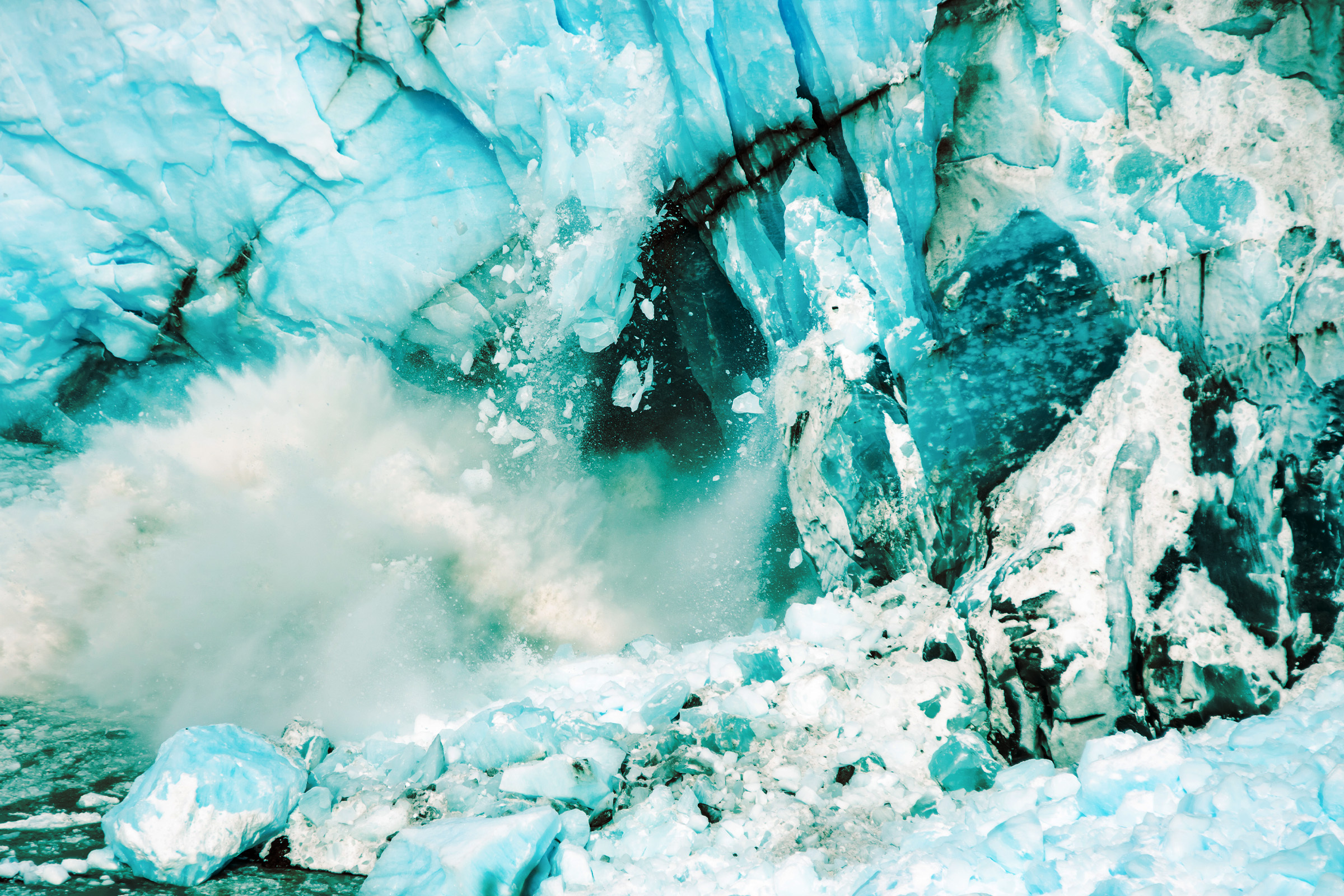
Recent research has unveiled a concerning spike in seismic activity at Antarctica’s Thwaites Glacier, commonly referred to as the Doomsday Glacier. Between 2010 and 2023, scientists detected a total of 362 earthquakes in the region, raising alarms about the glacier’s stability and the potential global consequences of its disintegration. The findings were published in the journal Geophysical Research Letters.
Thwaites Glacier is nearly the size of the island of Great Britain and its collapse could lead to catastrophic flooding, displacing between two and ten feet of water in coastal areas worldwide. This research suggests that the glacier is more vulnerable than previously thought, particularly in light of inadequate global efforts to mitigate climate change.
Seismic Activity and Implications
The lead researcher, Thanh-Son Phạm from the Australian National University, indicates that the seismic events detected are primarily localized in the West Antarctic region. These events are believed to be linked to the calving of icebergs, a process where large chunks of ice break off from the glacier and enter the ocean. Phạm developed a specialized algorithm to analyze seismic wave patterns, allowing for a better understanding of these earthquakes. Of the earthquakes recorded, 245 were attributed to Thwaites Glacier itself.
Phạm advocates for the establishment of a dedicated seismic network in Antarctica to monitor these glacial dynamics more closely. He suggests that such a system could provide essential data to anticipate changes that may occur rapidly over the coming decades or even years. The urgency of this initiative is underscored by the glacier’s role as a critical barrier that prevents further ice from sliding into the ocean.
The Bigger Picture
The implications of Thwaites Glacier’s instability extend beyond local ecosystems. Its potential to contribute significantly to global sea-level rise has garnered attention from climate scientists worldwide. The glacier acts as a dam for the West Antarctic ice shelf, which, if compromised, could facilitate the rapid flow of ice into the sea.
This research highlights the pressing need for increased monitoring and research into Antarctic seismic activity. The growing frequency of earthquakes, particularly those registering around magnitude 5 on the Richter scale, signals a potential tipping point in the glacier’s stability.
Scientists remain vigilant as they work to understand the dynamics of Antarctic glaciers, which differ from those in the Arctic Circle, where iceberg calving is more commonly studied. The current lack of data on Antarctic earthquakes complicates efforts to predict and respond to these significant geological events.
As global temperatures continue to rise, the fate of Thwaites Glacier could have lasting effects on coastal communities worldwide. The urgency for coordinated international efforts to combat climate change has never been more critical, as researchers strive to prevent a potential disaster that could reshape coastlines and affect millions of lives.