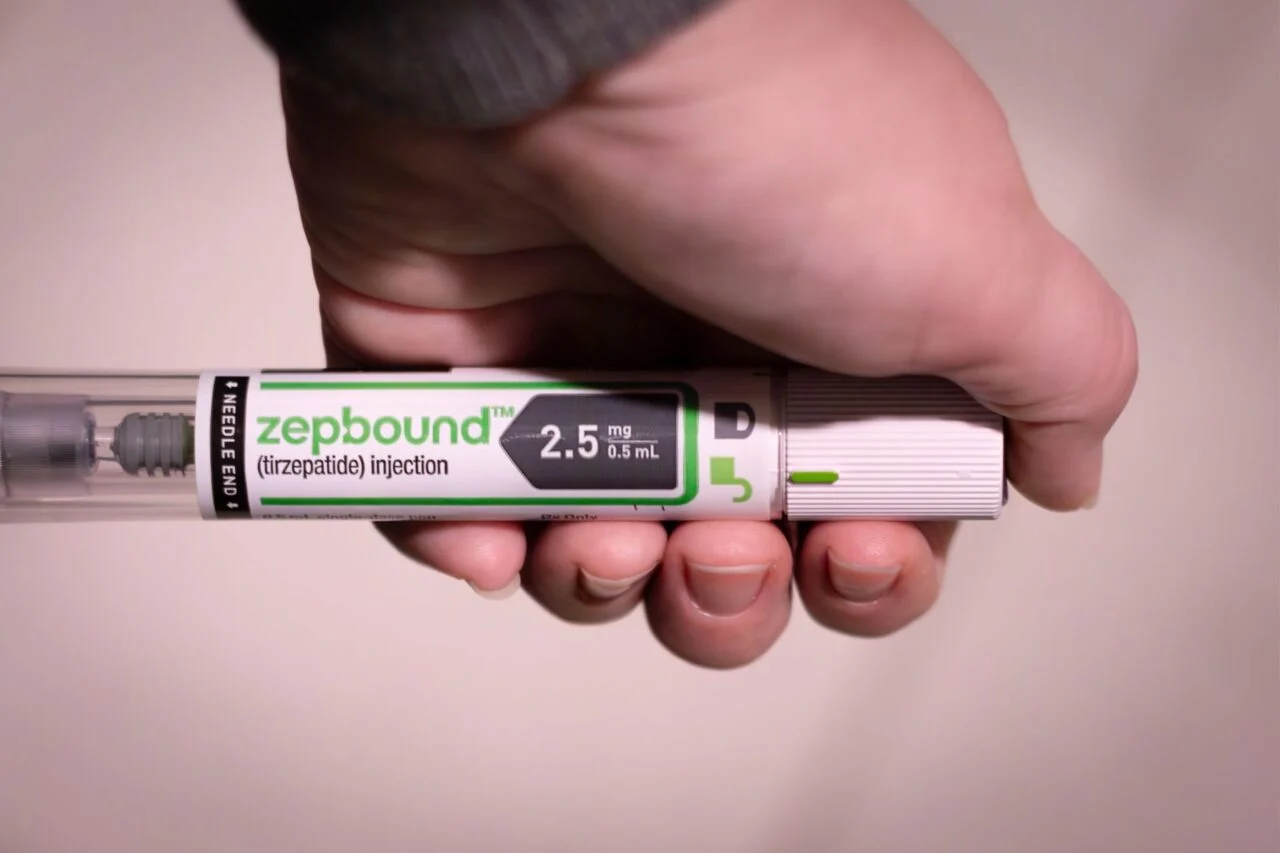
Clinical trial results released by Eli Lilly indicate that tirzepatide, the active ingredient in the GLP-1 weight loss drug Zepbound, can serve as an effective complementary treatment for psoriatic arthritis. The findings come from a Phase 3b trial, which assessed the efficacy of tirzepatide alongside ixekizumab—a well-established anti-inflammatory medication. The trial demonstrated that this combination significantly alleviates arthritis symptoms in overweight or obese individuals compared to those receiving ixekizumab alone.
The TOGETHER-PsA trial, which involved 271 participants with active psoriatic arthritis, showed promising results. Half of the participants were assigned to receive only ixekizumab, marketed as Taltz, while the other half received both Taltz and Zepbound. By the end of the 36-week trial, approximately one-third of those on the combination therapy experienced a reduction of 50% or more in their arthritis symptoms, coupled with at least a 10% reduction in weight. In contrast, only 0.8% of participants in the Taltz-only group reported similar improvements.
Significant Findings in Psoriatic Arthritis Management
Psoriatic arthritis is a chronic condition characterized by joint inflammation, often linked with the skin disorder psoriasis. This dual condition arises from the immune system mistakenly attacking healthy tissue, primarily affecting the skin and joints. Research indicates that around 25% of individuals with psoriasis may also develop psoriatic arthritis. Current treatment focuses on managing symptoms since there is no cure available.
The trial’s results underscore the potential benefits of a dual treatment approach. According to Mark Genovese, Senior Vice President of Lilly Immunology Development, the findings highlight how integrated treatment strategies could enhance care standards. “These results demonstrate how an integrated treatment approach has the potential to improve the standard of care in a compelling and comprehensive way,” he stated.
The combination therapy not only reduced arthritis symptoms but also addressed the underlying issue of obesity, which is prevalent among individuals with psoriasis. Studies suggest that obesity may exacerbate both conditions and hinder treatment effectiveness. By targeting weight loss alongside psoriatic arthritis treatment, the trial supports the hypothesis that managing obesity can lead to improved health outcomes.
Future Implications for Treatment
The advancements in GLP-1 therapies have greatly influenced obesity management in recent years. Tirzepatide has shown superior results compared to other treatments, such as semaglutide, which is found in medications like Ozempic and Wegovy. In late 2024, Eli Lilly received an extension from the U.S. Food and Drug Administration (FDA) to market Zepbound for treating obstructive sleep apnea, further expanding its therapeutic scope.
Looking ahead, Eli Lilly plans to release additional results later this year from a separate trial investigating the effectiveness of Zepbound combined with Taltz for patients suffering from moderate-to-severe plaque psoriasis alongside obesity. These findings will undergo the standard peer-review and regulatory processes before becoming part of typical treatment protocols.
As the landscape of psoriatic arthritis treatment evolves, the integration of weight management strategies may redefine patient care, offering new hope for those affected by these debilitating conditions.